

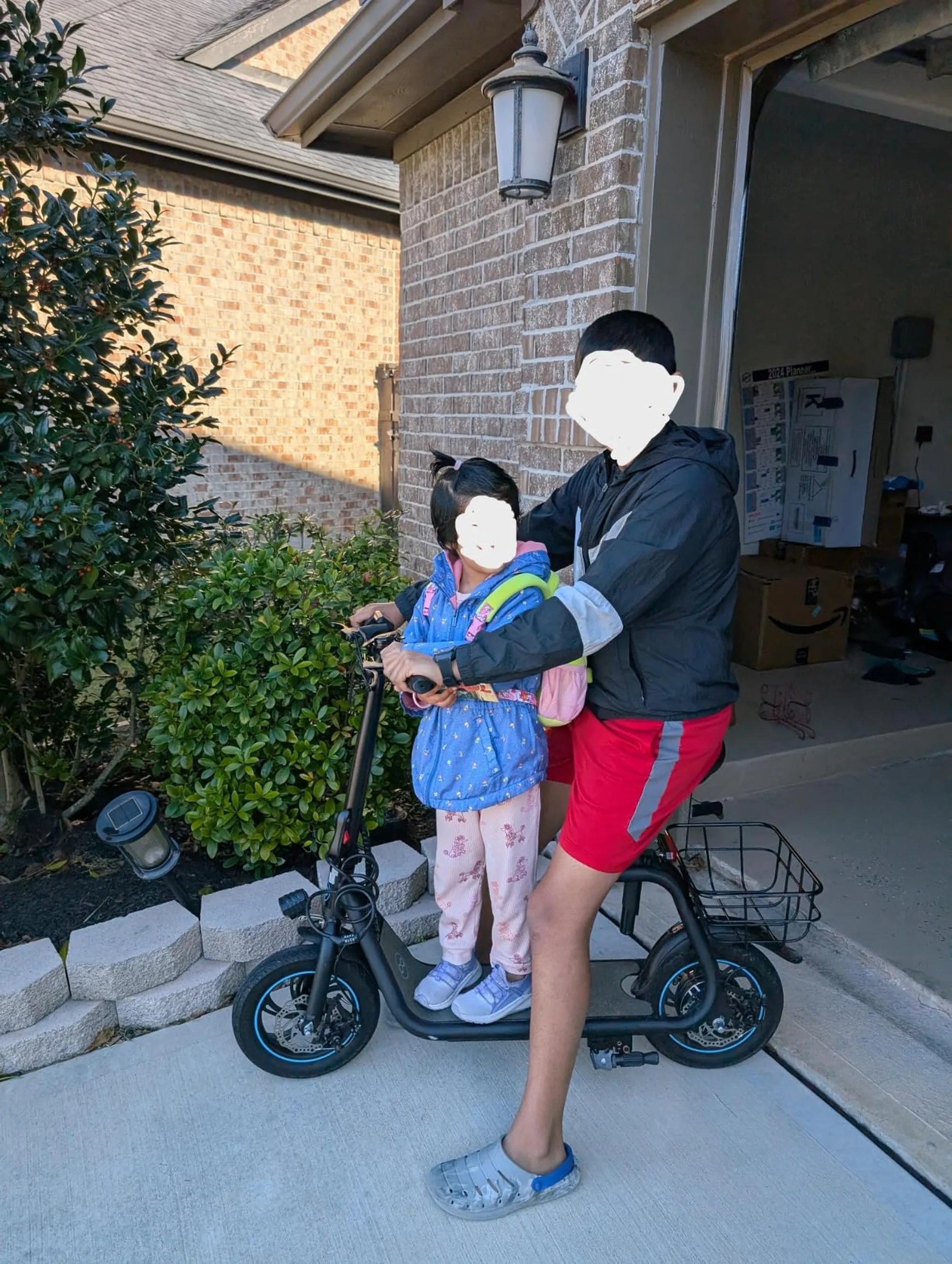
Electric bikes have revolutionized urban commuting and recreational cycling, offering a sustainable and efficient way to travel. But how much power does an electric bike really consume? Whether you're a daily commuter or a weekend adventurer, understanding electric bike power consumption can help you get the most out of your ride while extending battery life and range.
Factors Affecting Electric Bike Power Consumption
Several variables influence how much energy an electric bike uses. Knowing these can help you optimize your riding habits for better efficiency.
1. Rider Weight and Cargo Load
The heavier the combined weight of the rider and any cargo, the more power the motor needs to maintain speed. Reducing unnecessary weight can significantly improve efficiency.
2. Terrain and Elevation Changes
Hills and rough terrain dramatically increase power consumption. Flat surfaces require less energy, while steep inclines can drain the battery quickly.
3. Riding Speed and Assist Level
Higher speeds and maximum pedal assist modes consume more power. Using lower assist levels when possible can extend your range substantially.
4. Tire Pressure and Type
Underinflated tires create more rolling resistance, requiring additional power. Properly inflated, smooth tires designed for efficiency can reduce energy consumption.
5. Weather Conditions
Headwinds increase power consumption, while cold temperatures can temporarily reduce battery performance. Planning routes to avoid strong winds can help conserve energy.
Calculating Electric Bike Power Consumption
Most electric bikes consume between 10-20 watt-hours per mile (Wh/mi) under normal conditions. You can estimate your bike's consumption by dividing the battery's watt-hour rating by its typical range. For example, a 500Wh battery that provides 50 miles of range averages about 10Wh/mi.
Tips to Reduce Electric Bike Power Consumption
1. Optimize Your Riding Style
Using moderate pedal assist levels and maintaining steady speeds rather than frequent acceleration/deceleration can significantly reduce power usage.
2. Plan Efficient Routes
Choose flatter routes when possible and avoid stop-and-go traffic patterns that require repeated acceleration.
3. Maintain Proper Tire Pressure
Check tire pressure weekly, as even slightly underinflated tires can increase rolling resistance and power consumption.
4. Reduce Unnecessary Weight
Remove any cargo you don't need for your trip, as extra weight directly impacts energy requirements.
5. Use Regenerative Braking (If Available)
Some electric bikes recover energy during braking, which can slightly extend your range, especially in hilly areas.
Understanding Battery Capacity and Range
Battery capacity is measured in watt-hours (Wh), calculated by multiplying voltage (V) by amp-hours (Ah). Higher capacity batteries can store more energy but may also be heavier. The actual range you get depends on how efficiently you use that stored energy.
How Temperature Affects Power Consumption
Cold weather reduces battery efficiency and can temporarily decrease available capacity by 10-20%. In extremely hot conditions, battery life may degrade faster over time. Storing and charging batteries at room temperature helps maintain optimal performance.
Comparing Electric Bike Efficiency to Other Vehicles
Electric bikes are remarkably efficient transportation, typically using about 1-2% of the energy consumed by an electric car per mile. This makes them one of the most energy-efficient motorized transportation options available.
Future Trends in Electric Bike Power Efficiency
Advancements in battery technology, motor efficiency, and lightweight materials continue to improve electric bike power consumption ratios. Future models may offer even greater range and performance from the same battery capacity.
Mastering electric bike power consumption unlocks longer rides, lower charging costs, and greater overall satisfaction with your e-bike experience. With these insights and strategies, you're ready to hit the road with confidence, knowing exactly how to maximize every watt-hour in your battery.
Folding Electric Bike Best Buy: The Ultimate Guide to Choosing Your Perfect Ride
Latest Electric Bike Models 2025: The Future of Urban Mobility