



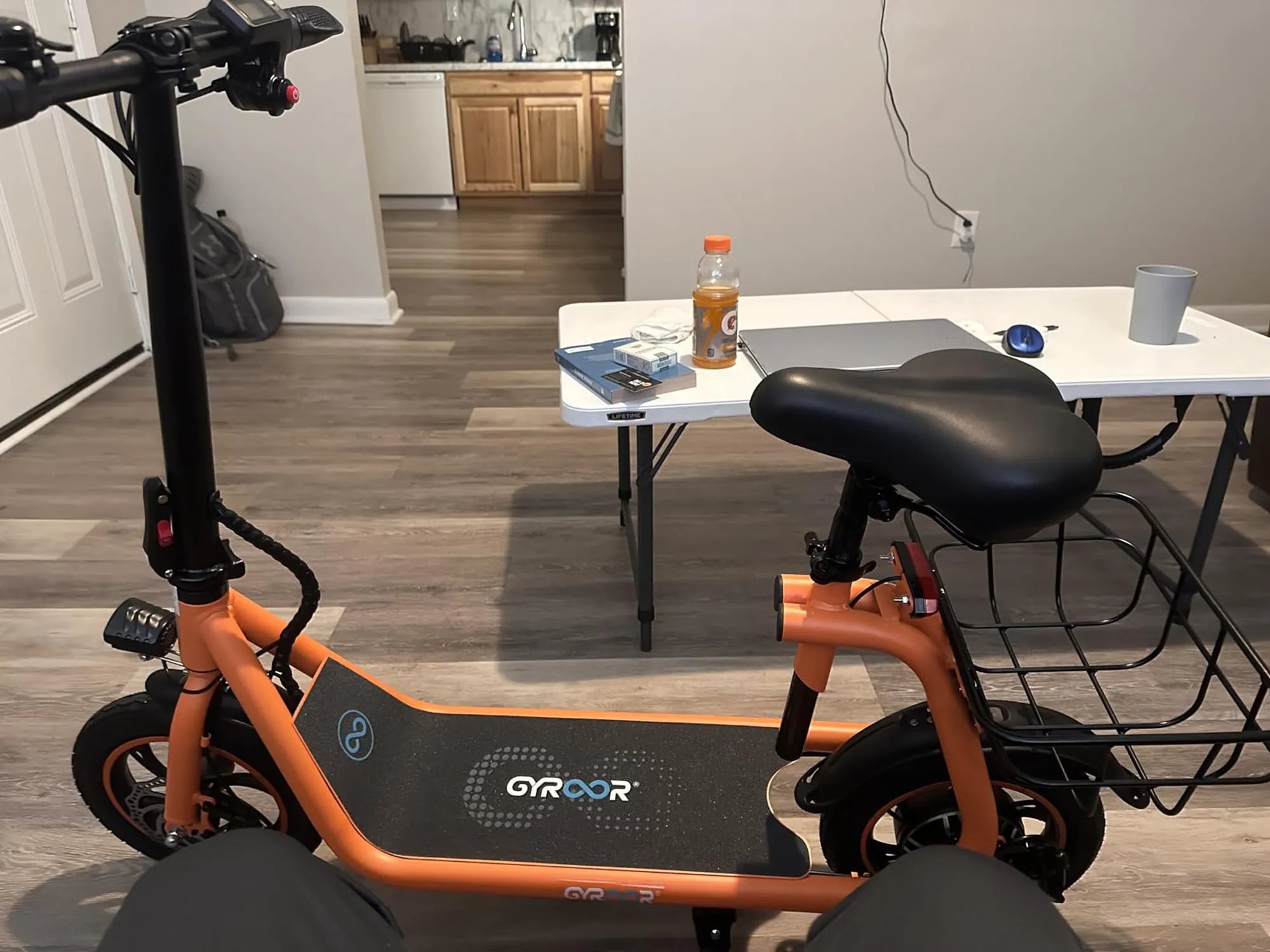
Electric bike scooters on sidewalks are transforming the way people navigate cities, but their rapid rise has sparked debates about safety, accessibility, and regulation. Are these zippy vehicles a boon for urban commuters or a hazard for pedestrians? Let’s dive into the complexities of this modern transportation trend.
The Rise of Electric Bike Scooters in Urban Areas
Electric bike scooters have surged in popularity as a convenient, eco-friendly alternative to cars and public transport. Their compact design and ease of use make them ideal for short trips, but their presence on sidewalks has raised concerns. Cities worldwide are grappling with how to integrate these devices into existing infrastructure without compromising pedestrian safety.
Safety Concerns: Pedestrians vs. Riders
One of the biggest issues with electric bike scooters on sidewalks is the potential for accidents. Pedestrians, especially the elderly and children, may not anticipate the speed of these vehicles, leading to collisions. Riders, on the other hand, argue that streets are often too dangerous due to heavy traffic. Striking a balance between these competing needs is crucial for urban planners.
Legal Landscape: Where Are Electric Bike Scooters Allowed?
Regulations vary widely by location. Some cities ban electric bike scooters from sidewalks entirely, while others permit them at reduced speeds. Enforcement remains a challenge, as many riders are unaware of local laws or choose to ignore them. Clear, consistent policies are needed to ensure safe coexistence between scooters and pedestrians.
Infrastructure Solutions: Dedicated Lanes and Parking
To mitigate conflicts, some cities are investing in dedicated micro-mobility lanes or expanding bike paths. Proper parking facilities can also reduce sidewalk clutter, which is a common complaint. These solutions require funding and political will but could significantly improve urban mobility.
The Future of Electric Bike Scooters in Cities
As technology evolves, so will the role of electric bike scooters in urban transportation. Smart scooters with geofencing capabilities could automatically slow down in pedestrian-heavy zones, while better rider education might reduce reckless behavior. The key lies in innovation and collaboration between policymakers, riders, and pedestrians.
Electric bike scooters on sidewalks are here to stay, but their success depends on how cities adapt. By addressing safety, regulation, and infrastructure, we can create a future where these devices enhance urban life without putting anyone at risk. The conversation is just beginning—will your city lead the way?
Cons of Electric Scooters for Sustainability: Hidden Environmental Costs
36 Volt 350 Watt Electric Scooter Motor: Power, Efficiency, and Performance Explained