



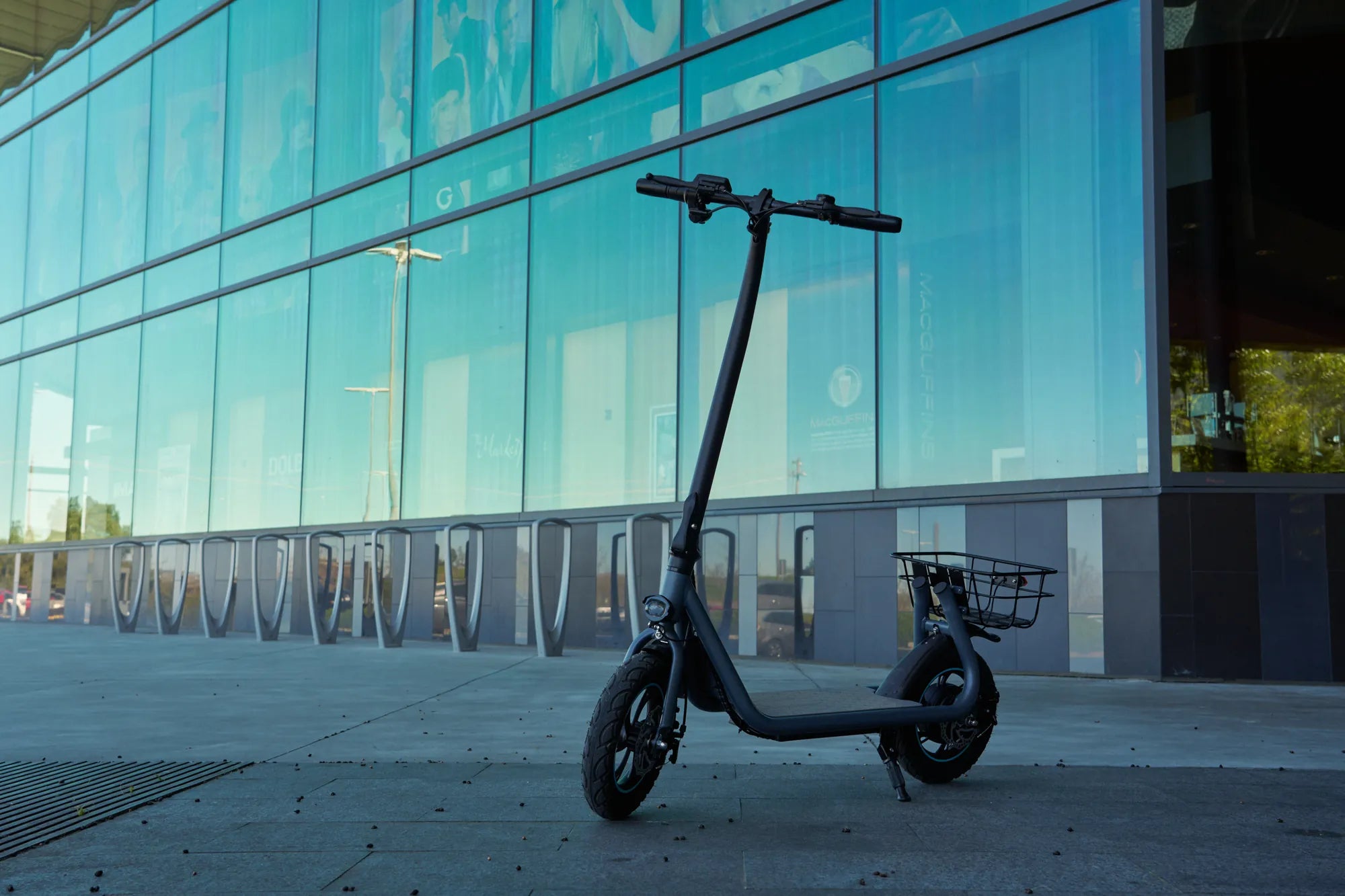
Introduction to Electric Commuter Bikes
An electric commuter bike for sale represents more than just a product; it's a strategic solution to modern urban mobility challenges. These e-bikes are engineered to transform your daily travel, slashing commute times, bypassing gridlocked traffic, and offering a sustainable alternative to fossil fuel dependence. For the urban professional, student, or anyone navigating city streets, the right electric commuter bike blends efficiency with practicality.
This guide will provide you with the comprehensive data needed to make an informed purchase. You will learn to decode technical specifications, understand the critical safety features that protect your investment, and identify the bike style that matches your route and lifestyle. We'll cut through the marketing noise to focus on performance, durability, and real-world value.
As a leading brand trusted by over 100,000 riders, Gyroor builds its electric commuter bikes on a foundation of safety and reliability that commuters demand. From UL-certified batteries to weather-resistant designs, the engineering priorities align directly with the needs of daily riders who depend on their vehicle rain or shine.
Key Features to Look for in an Electric Commuter Bike
Selecting an electric commuter bike for sale requires a focus on specifications that guarantee safety, practicality, and long-term satisfaction. This checklist prioritizes components that impact your daily experience, from hill-climbing power to all-weather resilience. Ignoring these features can lead to frustration, unreliability, and unnecessary risk.
The core triad of any quality electric commuter bike is its motor, battery, and braking system. These elements determine how the bike performs under load, how far it can travel, and how safely it can stop. Secondary but vital features include frame construction, ergonomics, and integrated accessories that enhance daily utility.
Motor Power and Pedal Assist Systems
Motor type and power are paramount for urban terrain. Most electric commuter bikes use either hub motors (located in the wheel) or mid-drive motors (at the bike's crank). Hub motors offer simplicity and are often more affordable, while mid-drive motors provide better weight distribution and more efficient hill climbing by leveraging the bike's gears.
For typical city commuting with moderate hills, a motor rated between 350W and 750W offers a solid balance of power and efficiency. A 500W motor, for instance, provides ample torque for stop-and-go traffic and gradients up to 15%. The pedal assist system (PAS) should offer multiple, smooth levels of assistance, allowing you to conserve battery or get a boost as needed.
A responsive PAS sensor is critical. Cadence sensors provide assistance based on pedal rotation, while more advanced torque sensors measure how hard you are pedaling, delivering a more natural, bike-like feel. A high-quality system will engage seamlessly without jarring jumps in power, ensuring a controlled and comfortable ride.
Battery Range and Charging
Advertised range is often an optimistic figure. To gauge real-world distance, look at the battery's watt-hour (Wh) rating, which is voltage (V) multiplied by amp-hours (Ah). A 36V 10Ah battery is a 360Wh pack. A realistic estimate is 15-25 miles per 100Wh, depending on rider weight, terrain, assist level, and wind.
For a reliable 20-mile round-trip commute with hills, a 400Wh battery is a sensible minimum. Factors that drain range include frequent acceleration, high assist levels, cold weather, and under-inflated tires. A removable battery is a major convenience, allowing you to charge securely at your desk or apartment without bringing the entire bike inside.
Battery safety is non-negotiable. Insist on packs with UL certification, like those used in Gyroor models. This independent testing verifies protection against overcharging, short-circuiting, and thermal runaway—critical for a device charged daily, often in your home. A quality UL-certified battery should retain over 80% of its capacity for 500+ charge cycles.
Build Quality and Durability
The frame is the bike's backbone. Lightweight aluminum alloy is the standard for electric commuter bikes, offering a robust strength-to-weight ratio that handles the additional stresses of motor and battery. Check the gross vehicle weight rating to ensure it accommodates you plus any cargo like a backpack or panniers.
Component quality directly impacts safety and maintenance frequency. Disc brakes—hydraulic or mechanical—provide superior stopping power in wet conditions compared to rim brakes. A reliable gear system, such as a 7-speed Shimano derailleur, offers the versatility needed for varying urban gradients.
Weather resistance is essential for a vehicle used daily. An IPX5 water-resistant rating, a standard in Gyroor's design, means the electrical components can withstand low-pressure water jets from any direction. This protects against rain, road spray, and puddles, ensuring the motor and controller remain functional and safe through the seasons.
Comfort and Practicality for Daily Use
Comfort translates directly to commute enjoyment. Key features include an adjustable saddle and handlebars to achieve a proper riding posture, minimizing strain on the back and wrists. Suspension, whether a front fork or a suspension seat post, absorbs vibrations from imperfect pavement, reducing fatigue.
Integrated lighting is a vital safety feature for dawn, dusk, or night riding. A bright headlight and a taillight with brake-light functionality make you visible to traffic. Ergonomically designed grips reduce pressure on the hands during longer rides.
Practical add-ons transform a bike into a true commuter vehicle. Full-length fenders keep you clean from road spray. A rear rack allows you to carry bags, groceries, or a laptop securely. A bell or horn is a simple but necessary communication tool. These features should be integrated or easily mountable, not afterthoughts.
Comparing Top Electric Commuter Bike Styles
Choosing the right frame style is crucial for matching the bike to your commute logistics, physical needs, and storage situation. The main categories offer distinct trade-offs between accessibility, performance, and portability. Understanding these differences ensures your electric commuter bike for sale enhances your lifestyle rather than complicating it.
The decision often comes down to how you will mount the bike, where you will store it, and whether you need to combine it with other transit modes. A bike that is difficult to store or awkward to mount will quickly fall out of daily use, negating its benefits.
Step-Through vs. Step-Over Frames
Step-through frames, characterized by a low or absent top tube, offer unparalleled ease of mounting and dismounting. This design is ideal for riders who make frequent stops, wear skirts or dresses, or have limited flexibility or mobility. It provides a stable, confidence-inspiring platform to start and stop.
Step-over frames (traditional diamond frames) are often slightly lighter and can offer increased frame rigidity, which some riders prefer for a more responsive feel, especially at higher speeds or when cornering. They are a classic choice for riders who prioritize a sportier riding position and do not have issues swinging a leg over the saddle.
The choice is largely ergonomic and personal. For pure commuting utility and accessibility, the step-through design is often the superior choice, removing a significant barrier to daily use. Many modern step-through electric commuter bikes for sale maintain excellent stiffness through advanced alloy shaping.
Folding Electric Bikes
Folding electric bikes are the ultimate solution for multi-modal commuters and those with severe space constraints. Their primary benefit is portability; they can be folded in under 30 seconds and carried onto a bus, train, or into a small apartment or office closet. This eliminates the need for outdoor bike parking.
Potential trade-offs include a slightly less rigid frame due to the folding mechanism, which can result in a bit more flex during hard pedaling. Wheels are often smaller (16" or 20"), which can affect stability and roll-over capability compared to standard 26" or 700c wheels. However, for a mixed commute involving public transit, these compromises are usually worth the unparalleled convenience.
When evaluating a folding electric commuter bike for sale, test the folding mechanism for smoothness and security. Ensure the folded package is manageable for you to carry for short distances. The best models, like some in Gyroor's range, maintain robust construction and full feature sets despite their compact form.
Hybrid and City-Specific Models
Hybrid electric bikes are the versatile all-rounders. They typically feature a flat handlebar for an upright riding position, a suspension fork, and slightly wider tires (around 1.75" to 2.2"). This setup is comfortable on pavement and capable on packed gravel paths or light trails, offering flexibility if your commute includes park cut-throughs or canal towpaths.
Dedicated city e-bikes are optimized purely for urban asphalt. They prioritize sleek aesthetics, with clean lines often hiding cables and batteries within the frame. They may feature narrower, smoother tires for lower rolling resistance, integrated lighting and racks, and a very upright, heads-up riding posture perfect for navigating traffic.
The hybrid is for the rider who values route versatility and maximum comfort from varied surfaces. The city e-bike is for the style-conscious urbanite with a purely paved commute who wants a bike that looks as good as it rides. Both are excellent choices for an electric commuter bike for sale, with the decision hinging on your specific route character and personal taste.
The Gyroor Advantage: Engineered for the Daily Commute
Transitioning from general advice to a specific brand, Gyroor's design philosophy is intrinsically linked to the demands of daily commuting. While many brands chase top speeds or extreme range, Gyroor focuses on the pillars of safety, durability, and reliable performance that commuters need to trust their vehicle day after day. This focus is reflected in core engineering choices that directly address common commuter pain points.
With over 100,000 riders relying on Gyroor products across North America and Europe, the brand's reputation is built on delivering consistent value and minimizing downtime. For a commuter, a bike that works every single time is more valuable than one with flashy but unreliable features.
Unmatched Safety with UL-Certified Batteries
The most critical safety component in any e-bike is its lithium-ion battery pack. Gyroor's commitment begins here, with the exclusive use of UL-certified battery cells and packs. UL 2271 certification is a rigorous standard specifically for lithium batteries in light electric vehicles, testing for electrical, mechanical, and environmental hazards.
This certification means each battery has undergone stringent tests for overcharge, short circuit, imbalance, drop, crush, and thermal exposure. For the commuter, this translates to dramatically reduced risk of battery fires—a paramount concern when charging at home or in an office. It's an investment in peace of mind that cheaper, uncertified alternatives simply cannot provide.
Beyond safety, these quality cells ensure consistent performance and longevity. Gyroor batteries are rated for 500+ full charge cycles while maintaining high capacity, meaning years of dependable range before significant degradation. This reliability is a core part of the total value proposition for an electric commuter bike for sale.
Built to Withstand the Elements (IPX5 Rating)
Commuting is a all-weather activity. A sudden downpour or wet roads should not strand you or damage your bike's electrical system. Gyroor designs its electric commuter bikes with a systemic IPX5 water-resistant rating. This engineering standard certifies that the motor, controller, display, and wiring can withstand water projected by a nozzle from any direction.
In practical terms, an IPX5 rating means you can confidently ride through rain, through puddles, and on roads wet from street cleaning. The electrical components are sealed against moisture ingress that could cause corrosion, short circuits, or motor failure. This durability ensures your bike remains a dependable tool regardless of the forecast, protecting your investment from one of the most common causes of e-bike failure.
This feature is coupled with rust-resistant frames and corrosion-resistant fasteners, creating a vehicle built for the long haul. It’s a specification that separates a true commuter-grade electric bike from a fair-weather recreational model.
Confidence Through Comprehensive Warranty & Support
A strong warranty is a brand's promise of quality. Gyroor backs its electric commuter bikes with a comprehensive 1-year warranty covering the frame, battery, motor, and electronic components. This single-year coverage on core parts demonstrates confidence in the product's durability under daily use.
This warranty support is bolstered by accessible, US-based customer service. For commuters, quick access to troubleshooting advice or warranty claim initiation is essential to minimize disruption. Knowing that support is just an email or phone call away provides significant peace of mind, especially for those who depend on their bike for daily transportation.
The combination of robust design, certified safety, and strong support creates a low-risk ownership experience. When evaluating an electric commuter bike for sale, this holistic support system is as important as any single component spec, ensuring your investment is protected for the duration of your commute.
Making Your Purchase: A Smart Buyer's Guide
The final step from research to ownership requires a strategic approach to budgeting, vendor selection, and evaluation. This process ensures you secure the best long-term value, not just the lowest upfront price. A methodical purchase decision protects you from buyer's remorse and sets you up for years of reliable service.
Focus on total cost of ownership, which includes initial price, potential maintenance, and the savings generated versus alternative transport. A slightly higher investment in quality often pays dividends in reliability, safety, and resale value.
Setting Your Budget and Understanding Value
A realistic budget for a quality new electric commuter bike for sale starts around $1,200 to $2,000. In this range, you can expect reliable brand-name components, a UL-certified battery, and a durable frame. Allocate your budget prioritizing the core triad: battery/motor system, brakes, and frame. Avoid models that sacrifice these for a large display or unnecessary accessories.
Consider the financial offset. Compare the bike's cost to annual expenses for car parking, fuel, insurance, or public transit passes. For many urban dwellers, the e-bike pays for itself within 12-18 months. This value calculation makes the investment compelling, transforming it from a discretionary purchase into a strategic financial decision for your daily mobility.
Where to Buy: Online Direct vs. Local Retailers
Purchasing channels offer different advantages. Buying directly from a brand's website (like gyroorboard.com) often provides the best selection of models, direct-to-consumer pricing (by cutting out middlemen), and access to the full manufacturer's warranty. Brands like Gyroor ship professionally partially-assembled, with final assembly being straightforward.
Local bike shops offer the benefit of professional assembly, a pre-purchase test ride, and a physical point for service and support. However, selection may be limited, and prices are often higher due to retail markups. Some shops also carry direct-to-consumer brands for assembly-only fees, offering a hybrid approach.
For the informed buyer comfortable with minor assembly (typically attaching front wheel, handlebars, and pedals), the online direct model offers exceptional value and choice. Ensure the seller has a clear and fair return policy (often 14-30 days) in case the bike is not the right fit.
Test Ride Considerations and Final Checklist
If a test ride is possible, use it strategically. Ride for at least 15 minutes on varied terrain. Assess the motor engagement: is it smooth and predictable? Test the brakes at slow speed for modulation and power. Check the comfort of the saddle and riding posture. Listen for any unusual creaks or rattles from the frame.
Your final pre-purchase checklist should include: 1) UL-certified battery, 2) Suitable motor power (350W-750W), 3) Realistic range (Wh calculation), 4) Quality brakes (disc preferred), 5) Weather resistance (IPX5 or similar), 6) Comfortable ergonomics, 7) Practical accessories (lights, fenders, rack), 8) Clear 1-year+ warranty, and 9) A reputable seller with positive reviews.
Once your electric commuter bike for sale arrives, register the warranty immediately, perform a final safety check on all bolts and tire pressure, and take a short familiarization ride in a safe area before your first commute.
Electric Commuter Bike FAQs
Do I need a license or insurance to ride an electric commuter bike?
In most US states and regions, Class 1 and Class 2 e-bikes (with a top motor-assisted speed of 20 mph) are treated like traditional bicycles. No license, registration, or insurance is required. However, local laws vary, so check your city and state regulations. Class 3 e-bikes (assist up to 28 mph) may have age restrictions or require helmet use in some areas.
How far can I realistically go on a single charge?
Real-world range depends heavily on use. A 400Wh battery typically provides 20-35 miles. Use this formula: (Battery Wh / 20) = Conservative Range. (Battery Wh / 15) = Average Range. (Battery Wh / 10) = Aggressive Range (high assist, hills). Factors like rider weight, wind, temperature, and tire pressure cause significant variation.
Is it difficult to pedal if the battery runs out?
Yes, it becomes significantly harder. An electric commuter bike is heavier than a standard bike due to the motor and battery (often 50-70 lbs). Pedaling without assist feels like riding a heavy cruiser bike. You can do it, but it's strenuous, especially on hills. This highlights the importance of monitoring your charge and choosing a bike with adequate range for your needs.
How do I securely lock and store my e-bike at work?
Use a high-quality U-lock or heavy-duty folding lock, securing the frame and rear wheel to a fixed, immovable object. A secondary cable lock for the front wheel adds security. If possible, store it indoors in a secure bike room or office. Some employers offer secure parking. Never rely solely on a cable lock. Register your bike's serial number with local police or a national database.
What basic maintenance does an e-bike require?
Regular maintenance includes: keeping tires properly inflated, checking brake pads for wear and adjusting brakes, cleaning and lubricating the chain, ensuring all bolts are tight, and keeping the bike clean, especially after wet rides. Have a professional bike mechanic perform an annual tune-up to check the drivetrain, bearings, and true the wheels. Avoid high-pressure water sprays on electrical components.
Comparison of Electric Commuter Bike Styles
| Style | Best For | Key Advantages | Potential Drawbacks | Ideal Commute Type |
|---|---|---|---|---|
| Step-Through | Ease of use, riders in business attire, limited mobility | Easy mount/dismount, stable, accessible | Can be slightly less rigid than step-over | City streets with frequent stops |
| Step-Over (Diamond) | Sportier feel, traditional bike riders | Often lighter, high rigidity for responsive handling | Less accessible for some riders | Longer, faster-paced urban routes |
| Folding | Multi-modal transit, small apartments | Ultimate portability, easy storage, combine with bus/train | Smaller wheels, potentially less stable, more frame flex | Mixed (bike + transit), ultra-compact storage needs |
| Hybrid | Versatility, comfort on varied surfaces | Suspension, wider tires, upright comfort, path/road capability | Slightly slower on smooth pavement than city bikes | Commutes including paved trails, gravel paths, or rough roads |
| City / Cruiser | Purely urban pavement, style-conscious riders | Sleek integrated design, efficient on pavement, often includes accessories | Less suited for any off-pavement use | Direct city street commuting, flat to moderate hills |
Conclusion: Your Path to a Smarter Commute
Choosing the right electric commuter bike for sale is a decision that pays daily dividends in time saved, stress reduced, and money kept in your pocket. The key is to prioritize the fundamentals: a safe, UL-certified battery system, a motor with adequate power for your terrain, a durable and weather-resistant build, and a frame style that fits your life. These elements form the foundation of a reliable commuting partner.
By matching the bike's capabilities to your specific route and storage needs—whether that's a folding model for the train, a step-through for easy stops, or a hybrid for park pathways—you ensure it becomes an indispensable tool, not a novelty. Investing in quality from a trusted brand engineered for daily use, like Gyroor, safeguards your investment and guarantees performance when you need it most.
Your smarter, more efficient, and enjoyable commute begins with an informed choice. Embrace the freedom of bypassing traffic, the health benefits of active transportation, and the satisfaction of a sustainable choice. Explore the models designed with these principles at their core and take the first step toward transforming your daily journey.
Ready to find your perfect ride? Browse the full Gyroor collection of UL-certified, weather-resistant electric commuter bikes at gyroorboard.com.
2 Wheel vs 3 Wheel Scooter: The Ultimate Stability vs. Agility Guide
Pro Scooter Latest: The 2024 Guide to High-Performance Tech & Trends