


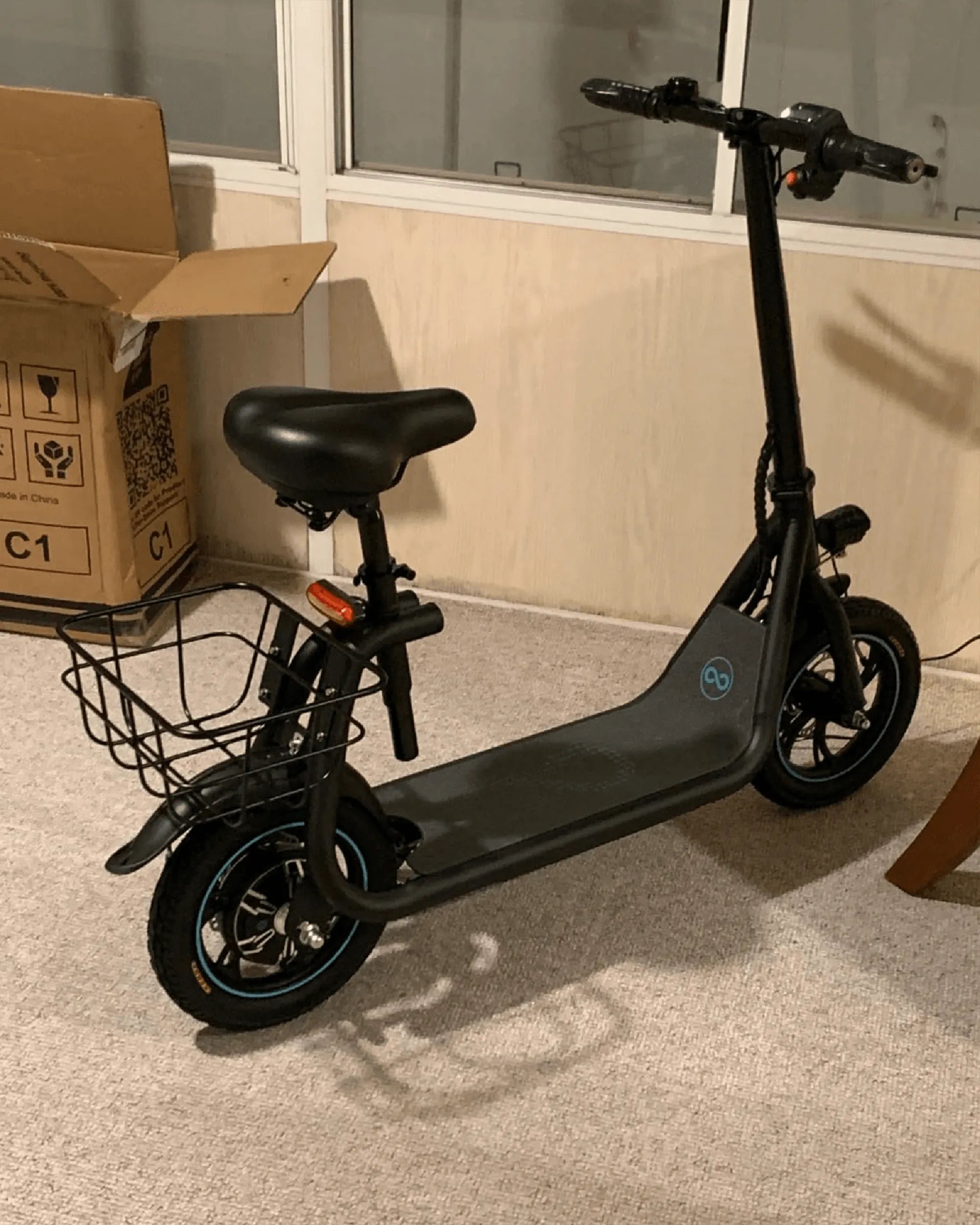
Are you ready to ditch gas and embrace the future of off-road riding? Electric dirt bikes are taking the adventure world by storm, offering silent power, instant torque, and eco-friendly thrills. But with so many options on the market, how do you pick the perfect one for your needs? This comprehensive guide will walk you through every critical factor to consider before making your purchase.
Understanding Electric Dirt Bike Basics
Electric dirt bikes represent a revolutionary shift in off-road motorcycling. Unlike their gas-powered counterparts, these machines run on rechargeable battery systems and electric motors, delivering immediate acceleration without the noise and fumes. The technology has advanced rapidly in recent years, with modern electric models rivaling traditional bikes in performance while offering unique advantages like lower maintenance and operating costs.
Key Components of Electric Dirt Bikes
- Battery System: The heart of the bike, determining range and power output
- Electric Motor: Provides instant torque and acceleration
- Controller: Manages power delivery from battery to motor
- Frame and Suspension: Similar to conventional dirt bikes but often lighter
- Regenerative Braking: Some models recover energy during deceleration
Power and Performance Considerations
When evaluating electric dirt bikes, power output is a crucial factor that directly impacts your riding experience. Electric motors measure power differently than gas engines, so understanding these specifications will help you make informed comparisons.
Motor Power and Torque
Electric motors deliver torque instantly, giving electric dirt bikes their characteristic quick acceleration. Look for:
- Peak power (measured in kW or HP)
- Continuous power rating
- Torque output (Nm or lb-ft)
Speed and Acceleration
Top speed varies significantly between models, from beginner-friendly 30 mph bikes to professional-grade machines exceeding 60 mph. Consider your skill level and intended use when evaluating speed capabilities.
Battery Life and Charging
The battery system is arguably the most important component of any electric dirt bike, affecting everything from ride time to maintenance requirements.
Battery Types and Capacity
Most modern electric dirt bikes use lithium-ion batteries, which offer:
- High energy density
- Relatively lightweight
- Long cycle life
Battery capacity is measured in watt-hours (Wh), with higher numbers indicating longer potential ride times between charges.
Range and Ride Time
Actual range depends on numerous factors including:
- Rider weight
- Terrain difficulty
- Riding style
- Temperature conditions
Manufacturer range estimates are typically based on ideal conditions, so expect 20-30% less in real-world use.
Frame and Suspension Options
The physical design of an electric dirt bike significantly impacts its handling and durability. While electric models share many frame characteristics with traditional bikes, their weight distribution differs due to battery placement.
Frame Materials
- Aluminum: Lightweight and strong, common in higher-end models
- Steel: More affordable but heavier
- Carbon fiber: Premium option for maximum weight reduction
Suspension Systems
Quality suspension is essential for off-road performance. Look for:
- Adjustable front forks
- Rear shock with preload adjustment
- Suspension travel appropriate for your riding style
Weight and Handling Characteristics
Electric dirt bikes often have different weight distributions than gas bikes, which can affect their handling. The battery placement creates a lower center of gravity in many models, potentially improving stability.
Total Weight Considerations
While electric models eliminate heavy engine components, their battery systems add significant weight. Compare:
- Overall bike weight
- Weight distribution
- Your ability to handle the bike at rest
Terrain Suitability
Not all electric dirt bikes are created equal when it comes to handling different types of terrain. Your riding environment should heavily influence your purchasing decision.
Trail vs. Motocross
Consider whether you need:
- Lightweight agility for technical trails
- Robust suspension for jumps and whoops
- Knobby tires for specific terrain types
Maintenance Requirements
One of the biggest advantages of electric dirt bikes is their reduced maintenance compared to gas models. However, they still require regular care to ensure optimal performance and longevity.
Routine Maintenance Tasks
- Battery care and storage
- Chain lubrication and tension adjustment
- Brake system inspection
- Suspension maintenance
Safety Features to Consider
Electric dirt bikes present unique safety considerations, particularly regarding their silent operation and instant power delivery.
Essential Safety Components
- Kill switches
- Parental control modes (for youth models)
- Power limiters for beginners
- Bright lighting for visibility
Legal and Regulatory Considerations
Before purchasing an electric dirt bike, research local regulations that may affect where and how you can ride.
Common Legal Restrictions
- Age requirements
- Noise ordinances
- Off-road vehicle registration
- Trail access limitations
Budgeting for Your Electric Dirt Bike
Electric dirt bikes span a wide price range, from affordable entry-level models to high-performance machines costing several times more. Consider both the initial purchase price and long-term ownership costs.
Cost Factors to Consider
- Initial purchase price
- Battery replacement costs
- Charging equipment needs
- Maintenance expenses
Ready to experience the thrill of electric off-road riding? With this comprehensive guide, you're now equipped with the knowledge to choose the perfect electric dirt bike that matches your skill level, riding style, and budget. The future of off-road adventure is here - silent, powerful, and exhilarating. Which electric dirt bike will become your new trail companion?
Harper Mountain Biking: The Ultimate Guide to Thrills and Trails
Mountain Biking Near Pittsburgh PA: Trails, Tips, and Adventure Awaits