



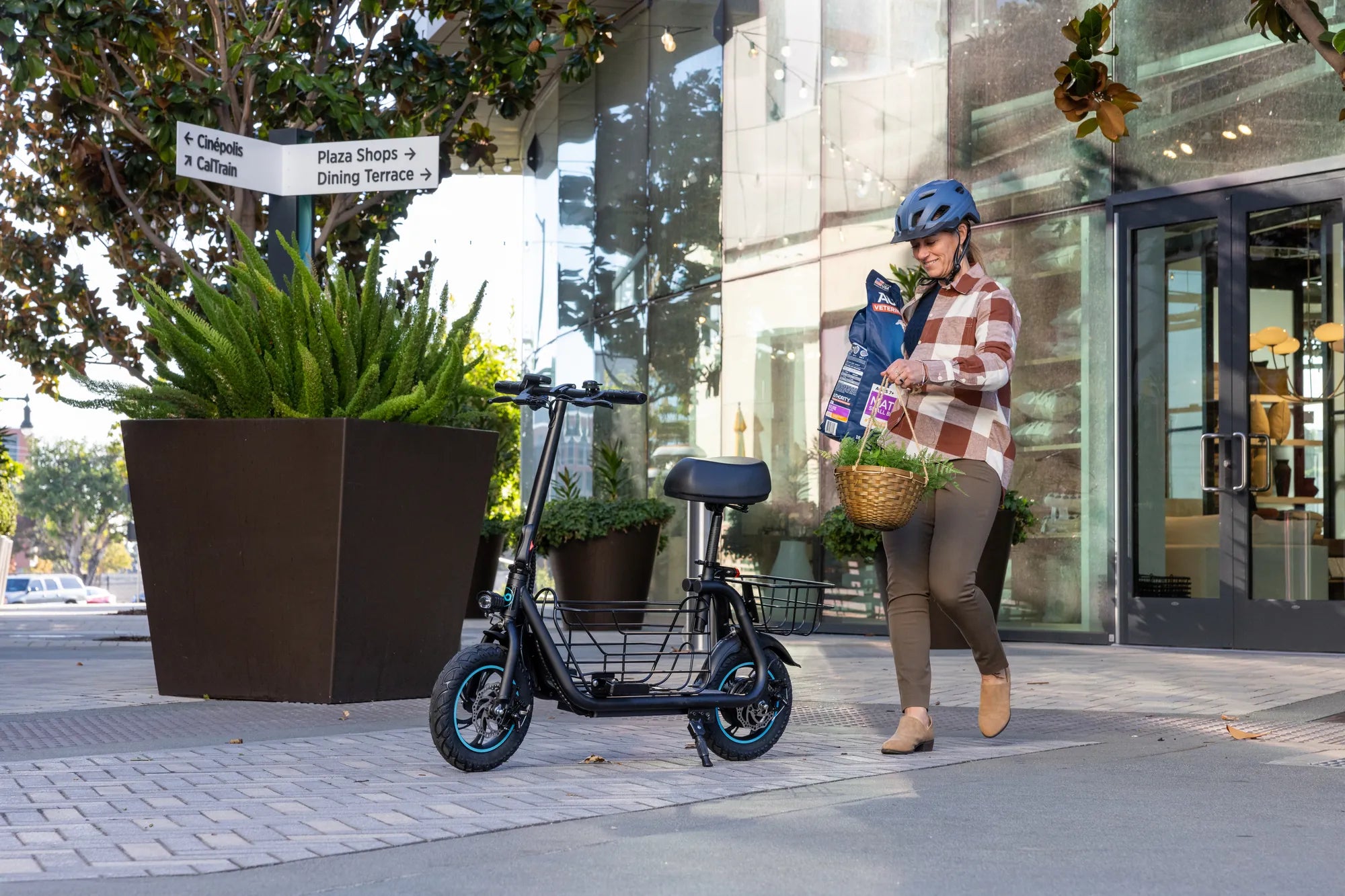
Introduction: Unlocking Freedom with Electric Mobility in Canada
For many Canadians, regaining personal mobility is synonymous with reclaiming independence. Electric mobility scooters have emerged as powerful tools that bridge the gap between physical limitations and an active, engaged lifestyle. This guide to Electric Mobility Scooters Canada: A Guide to Freedom and Independence is designed to provide you with the comprehensive knowledge needed to make an informed decision.
You will learn about the different types of scooters, understand critical specifications, navigate Canadian regulations and weather challenges, and discover what to look for in a reliable brand. The right scooter can transform daily routines, enabling trips to the local market, visits with friends and family, and enjoying community parks. With the Canadian market offering numerous options, selecting a model that balances performance, safety, and durability is paramount.
The goal is to empower you with facts, not fluff. We will delve into data-driven comparisons, safety standards, and practical tips tailored specifically for Canadian riders. From the rainy coasts of British Columbia to the snowy streets of Ontario and the hilly neighborhoods of Quebec, your mobility solution must be up to the task.
This guide marks the first step toward a life with fewer barriers and more freedom. Let's explore how the right electric mobility scooter can open new doors across Canada.
Understanding Electric Mobility Scooters: Types and Key Features
An electric mobility scooter is a battery-powered vehicle with handlebar steering, a seat, and a platform for the feet. It is distinct from a power wheelchair, which is typically rear-wheel driven and controlled via a joystick. Scooters are ideal for individuals with good upper body strength and mobility who can safely transfer to the seat and operate the handlebar controls.
The market categorizes scooters primarily by size, weight, and intended use. Understanding these categories is the foundation of choosing the correct model. The three main types are travel/portable, mid-size, and heavy-duty or all-terrain models. Each serves a distinct purpose in the landscape of Electric Mobility Scooters Canada: A Guide to Freedom and Independence.
Travel or portable scooters are designed for maximum convenience. They are lightweight, often under 100 lbs, and feature frames that disassemble into 3-5 pieces for easy transport in a car trunk. Their compact size makes them perfect for indoor use, shopping malls, and short outdoor trips on smooth pavement. However, they typically have smaller batteries, less power, and a lower weight capacity.
Mid-size scooters, often called 3-wheel or 4-wheel scooters, are the most common category for daily use. They offer an excellent balance of stability, range, and comfort. With larger batteries and more powerful motors, they are suited for longer trips around the neighborhood, visits to community centers, and navigating slightly uneven sidewalks. Their turning radius is tighter than heavy-duty models, making them maneuverable in tighter spaces.
Heavy-duty and all-terrain scooters are built for durability and outdoor performance. They feature larger, more powerful motors (often 500W+), enhanced suspension systems, and rugged tires. These models are designed to handle grass, gravel, mild slopes, and rougher pavement common in many Canadian parks and pathways. They have the highest weight capacities and longest ranges but are less portable due to their size and weight.
Key Specifications to Compare
When evaluating scooters, moving beyond marketing terms and focusing on hard specifications is crucial. These numbers directly translate to real-world performance, especially in a Canadian context.
Motor Power (Watts): This determines the scooter's ability to climb hills and maintain speed. For flat urban areas, a 250-350W motor may suffice. For cities with hills like Vancouver, Halifax, or Montreal, a 400W+ motor is recommended. All-terrain models start at 500W.
Range per Charge (Kilometers): The advertised range is based on ideal conditions: a lightweight rider on flat, smooth terrain. In reality, factors like weight, terrain, temperature, and tire pressure reduce range. For reliable daily use in Canada, a scooter with a manufacturer-stated range of 20-25 km provides a practical real-world range of 12-18 km, which covers most local trips.
Weight Capacity (Pounds/Kilograms): This is a non-negotiable safety specification. Always choose a scooter with a capacity that exceeds your body weight plus the weight of any bags or items you regularly carry. Exceeding the limit stresses the frame, motor, and brakes, leading to premature failure and safety hazards.
Turning Radius (Inches/Centimeters): A smaller turning radius means better maneuverability in tight indoor spaces like apartments, elevators, and store aisles. Three-wheel models generally have the tightest turn, while four-wheel models offer more stability at the cost of a wider turn.
| Specification | Travel/Portable | Mid-Size (3-Wheel) | Heavy-Duty/All-Terrain |
|---|---|---|---|
| Typical Motor Power | 200W - 300W | 300W - 450W | 500W - 800W+ |
| Average Range | 10 - 15 km | 20 - 30 km | 30 - 50 km |
| Weight Capacity | Up to 250 lbs (113 kg) | 300 - 350 lbs (136-159 kg) | 400 - 500 lbs (181-227 kg) |
| Best For | Indoor/light outdoor, travel | Daily neighborhood use, shopping | Outdoor trails, rough terrain, larger riders |
| Portability | High (disassembles) | Low to Moderate | Very Low |
The Canadian Buyer's Guide: Regulations, Safety, and Where to Ride
Navigating the rules of the road—and sidewalk—is essential for safe and confident riding. In Canada, the regulation of electric mobility scooters falls primarily under provincial and municipal jurisdiction, with some overarching federal safety standards.
At the federal level, Health Canada regulates medical devices. While not all personal mobility scooters are classified as such, those intended for use by individuals with mobility impairments are subject to the Medical Devices Regulations. Reputable manufacturers ensure their products comply with relevant safety standards, such as those from the Canadian Standards Association (CSA) or applicable international standards like UL (Underwriters Laboratories).
Provincially, mobility scooters are generally not considered motor vehicles under highway traffic acts, provided they have a maximum speed of 10-12 km/h (varies by province). This means you do not need a driver's license, vehicle registration, or insurance to operate one. However, you must follow local bylaws regarding their use. The core principle of this Electric Mobility Scooters Canada: A Guide to Freedom and Independence is to know and follow your local rules.
Municipal bylaws are the most specific. They dictate where you can and cannot ride. Generally, mobility scooters are permitted on sidewalks, in pedestrian areas, and on multi-use paths (shared with cyclists and pedestrians). Riding on roads is typically prohibited unless crossing at an intersection. Always yield to pedestrians, travel at a safe speed (often walking pace on crowded sidewalks), and use lights and reflectors at night.
Navigating Canadian Weather and Terrain
Canada's diverse climate presents unique challenges for electric mobility. From the damp cold of the Maritimes to the deep freeze of the Prairies and the wet winters of the West Coast, your scooter must be prepared.
Battery Performance in Cold Weather: Lithium-ion batteries, the standard for modern scooters, experience reduced efficiency in cold temperatures. A battery may only deliver 60-70% of its rated capacity at 0°C. Store and charge the scooter indoors whenever possible. Allow the battery to warm to room temperature before charging after a cold ride. Never charge a frozen battery.
Tire and Traction Considerations: For rain and light slush, pneumatic (air-filled) tires offer better shock absorption and traction than solid tires but require maintenance. Look for tires with a good tread pattern. All-terrain models with knobby tires provide the best grip on loose surfaces. Avoid riding in deep snow or on ice, as scooters are not designed for such conditions.
Water Resistance (IP Ratings): An Ingress Protection (IP) rating indicates how well a device is sealed against dust and water. An IPX4 rating means it is protected from water splashes from any direction. For Canadian rain and road spray, an IPX5 rating (protected from water jets) is a significant advantage, protecting critical electrical components from moisture damage.
Winter Storage and Maintenance: If you don't plan to use your scooter during the coldest months, proper storage is key. Charge the battery to about 50-70%, disconnect it, and store it in a cool, dry place indoors. Check on it every few months and give it a partial charge if the level drops below 30%.
Why Choose Gyroor for Your Canadian Journey?
Selecting a brand is as important as selecting a model. In a market filled with options, Gyroor stands out as a leader in personal electric mobility, trusted by over 100,000 riders across North America and Europe. For Canadian riders seeking reliability, the brand's engineering philosophy directly addresses the core demands of our climate and lifestyle, making it a pivotal part of this Electric Mobility Scooters Canada: A Guide to Freedom and Independence.
Gyroor's commitment extends beyond simply selling products; it focuses on delivering peace of mind. Their product range includes over 20 models, from agile electric scooters to comfortable e-bikes, designed with user safety and durability as non-negotiable priorities. This dedication is reflected in consistently high customer satisfaction, with an average rating of 4.5/5 from a vast community of users.
When navigating Canadian cities and towns, you need a partner you can rely on. Gyroor's focus on robust construction, verified safety certifications, and accessible customer support creates a foundation for long-term independence. The right scooter should feel like an extension of your will, not a source of anxiety about battery failure or mechanical breakdown in the middle of a trip.
The following sections detail the specific technological and service advantages that make Gyroor a prudent choice for the discerning Canadian rider looking for a dependable mobility solution.
Built for Reliability and Peace of Mind
Gyroor's design and manufacturing principles directly tackle the common pain points of mobility scooter ownership, particularly in Canada. Three pillars define their approach: battery safety, environmental resilience, and comprehensive support.
UL-Certified Lithium-Ion Battery Packs: This is the most critical safety feature. Every Gyroor model uses UL-certified battery packs. This independent certification means the battery cells, circuitry, and housing have undergone rigorous testing for electrical, mechanical, and fire safety. These batteries are also engineered for performance, tested for 500+ charge cycles, and are better equipped to handle the performance dips associated with cold Canadian weather than non-certified, generic alternatives.
IPX5 Water-Resistant Rating: Understanding that weather can change quickly, Gyroor builds its core models with an IPX5 water-resistant rating. This engineering standard means the scooter's electrical components are sealed against low-pressure water jets from any direction. Whether it's a sudden summer downpour in Toronto or the persistent spray from wet streets in Vancouver, this feature provides a crucial layer of protection against moisture-related damage and corrosion.
1-Year Comprehensive Warranty with Accessible Support: Confidence in your purchase is solidified by a robust 1-year warranty that covers the frame, motor, battery, and controller. Gyroor maintains accessible customer service channels and works with a network of service partners to ensure that if an issue arises, you have a clear path to resolution. This support network is vital for maintaining your independence over the long term.
Making Your Decision: A Step-by-Step Selection Checklist
Armed with knowledge about types, specs, and brands, it's time to personalize your search. Use this actionable checklist to methodically evaluate your needs against the available options. This practical approach is the culmination of our Electric Mobility Scooters Canada: A Guide to Freedom and Independence.
Step 1: Assess Your Primary Use Case. Will you use it mostly indoors (apartment, mall)? For daily neighborhood errands? For outdoor recreation on park paths? Your primary use dictates the category (portable, mid-size, or all-terrain).
Step 2: Evaluate Your Storage and Transport Needs. Where will you store it at home? Do you need to lift it? Do you plan to transport it in a vehicle frequently? If so, a portable, disassemblable model is essential. If it will live in a garage or shed, size and weight are less restrictive.
Step 3: Calculate Your Required Range. Map out a typical day's trips. How many kilometers would you cover? Double that number and look for a scooter with a manufacturer-stated range that meets or exceeds it to account for hills, weather, and battery aging.
Step 4: Verify Weight Capacity and Terrain. Confirm the scooter's capacity is greater than your weight plus cargo. Honestly assess the terrain in your area—are there steep hills, rough pavement, or gravel paths? Match the motor power and tire type to these challenges.
Step 5: Research Local Dealers and Service. Even when purchasing online, check if the brand has authorized service centers or partners in your province. Can you arrange a test ride? A reputable dealer will help you with assembly, initial setup, and answer local regulatory questions.
Step 6: Prioritize Safety Certifications. Look for explicit mentions of UL (for batteries), CSA, or other recognized safety standards. Verify the IP rating for water resistance. These are objective indicators of build quality that directly impact safety and longevity.
Frequently Asked Questions (FAQ)
Q: Do I need a license or insurance to operate an electric mobility scooter in Canada?
A: No, a driver's license is not required as they are not classified as motor vehicles, provided their maximum speed is limited (typically to 10-12 km/h, depending on the province). Mandatory insurance is also not required. However, it is always wise to check your specific provincial regulations and municipal bylaws for the most accurate and current information.
Q: How does cold weather affect the scooter's battery life and range?
A: Cold temperatures significantly reduce the efficiency and capacity of lithium-ion batteries. At freezing point (0°C), you can expect a 30-40% reduction in range compared to optimal conditions (20-25°C). Always store and charge the scooter indoors. Plan shorter trips in winter and keep the battery as warm as possible before use (e.g., by storing it indoors).
Q: Can I take my mobility scooter on public transit (buses, trains) in major Canadian cities?
A> Most public transit systems in cities like Toronto (TTC), Vancouver (TransLink), and Montreal (STM) accommodate mobility scooters, but policies vary. Generally, scooters must be within certain size dimensions, may need to be secured in a designated area, and the user must be able to board/deboard safely. It is crucial to contact your local transit authority directly for their specific policy, training requirements, and any necessary permits before your first trip.
Q: What is the difference between a 3-wheel and a 4-wheel mobility scooter?
A: The key differences are stability and maneuverability. A 3-wheel scooter has a tighter turning radius, making it more nimble for indoor use and navigating tight corners. A 4-wheel scooter has a wider wheelbase, offering greater stability, especially on outdoor inclines and uneven surfaces. It is less likely to tip but has a wider turning circle. For most general outdoor use in Canada, a 4-wheel model is often recommended for its stability.
Q: How do I properly maintain my scooter, especially during the winter months?
A> Regular maintenance is key. Keep tires properly inflated (check monthly). Wipe down the scooter after wet rides to prevent corrosion. Lubricate moving parts as per the manual. For winter: avoid riding on salt-covered roads when possible, as salt accelerates corrosion. If you must ride in wet conditions, clean the undercarriage afterward. For long-term winter storage, partially charge the battery (50-70%), disconnect it, and store it indoors in a dry place.
Conclusion: Embracing a Life of Enhanced Independence
The journey to selecting the right electric mobility scooter is an investment in your freedom, safety, and quality of life. As detailed in this Electric Mobility Scooters Canada: A Guide to Freedom and Independence, the optimal choice balances your personal lifestyle needs with the technical specifications required to handle Canadian environments. From understanding motor power and water resistance to navigating local bylaws and winter battery care, an informed decision is a confident one.
Prioritizing brands that commit to verified safety standards, like UL-certified batteries and robust IP ratings, provides the peace of mind necessary to explore your community fully. A reliable scooter removes barriers, reconnects you with social circles, and fosters a renewed sense of autonomy. It is more than a device; it's a key to maintaining an active and engaged lifestyle on your own terms.
Your path to greater independence starts with research and is realized with a trustworthy partner. We encourage you to use the checklist and insights provided here to evaluate your options thoroughly. For those seeking a blend of performance, safety, and durability engineered for real-world conditions, exploring the Gyroor collection offers a compelling starting point.
Take the next step toward unlocking your freedom. Browse the full Gyroor collection at gyroorboard.com to discover models built to support your Canadian journey, backed by the reliability trusted by over 100,000 riders.
Electric Scooters for Highway: The Future of Urban and Long-Distance Commuting
Electric Road Scooters UK: The Future of Urban Commuting