

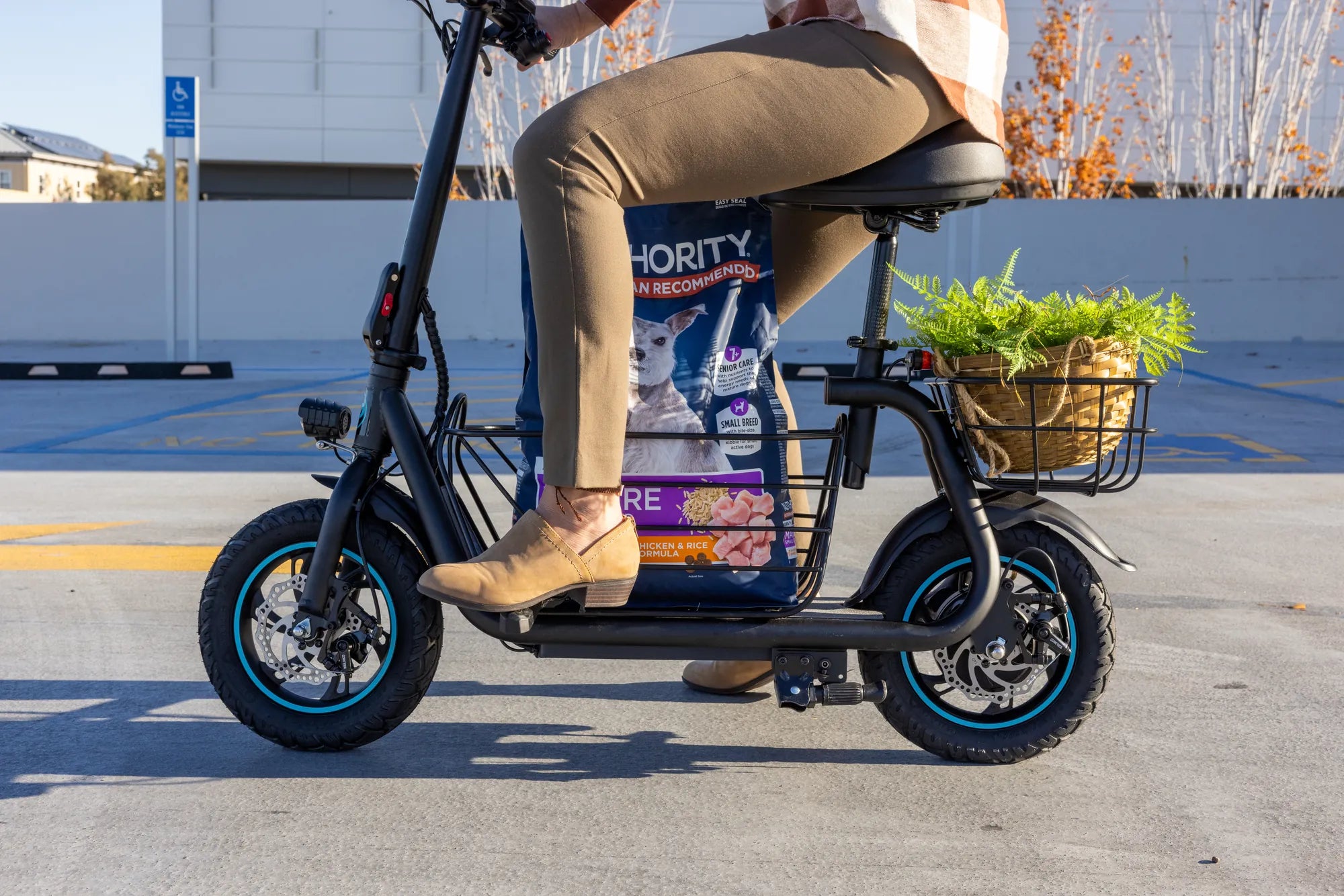
Imagine zipping through crowded city streets without the hassle of traffic jams or the guilt of carbon emissions. The electric rickshaw bike is here to transform urban mobility, offering a perfect blend of convenience, sustainability, and affordability. Whether you're a daily commuter, a delivery service provider, or an eco-conscious traveler, this innovative vehicle is changing the way we move. Let’s dive into why the electric rickshaw bike is becoming the go-to solution for modern transportation needs.
The Rise of Electric Rickshaw Bikes
Urban areas worldwide are grappling with pollution, traffic congestion, and rising fuel costs. The electric rickshaw bike emerges as a game-changer, combining the agility of a bicycle with the power of an electric motor. Unlike traditional rickshaws, these vehicles are emission-free, making them an ideal choice for environmentally conscious cities. Governments and urban planners are increasingly promoting their adoption to reduce carbon footprints and ease traffic woes.
How Electric Rickshaw Bikes Work
At the heart of an electric rickshaw bike is a rechargeable battery-powered motor. The vehicle can be pedaled like a regular bicycle or operated solely on electric power, depending on the rider’s preference. Most models come with regenerative braking systems, which recharge the battery while slowing down, enhancing efficiency. With a range of 50-100 kilometers on a single charge, these bikes are perfect for short to medium-distance travel.
Benefits of Electric Rickshaw Bikes
Eco-Friendly Transportation
One of the biggest advantages of electric rickshaw bikes is their minimal environmental impact. By eliminating fossil fuel consumption, they significantly reduce air pollution and greenhouse gas emissions. Cities adopting these vehicles are already seeing improvements in air quality and noise levels.
Cost-Effective Commuting
Compared to cars or motorcycles, electric rickshaw bikes are incredibly affordable. They require minimal maintenance, no fuel costs, and low charging expenses. For small businesses and delivery services, they offer a cost-efficient alternative to traditional transport methods.
Versatility and Convenience
These bikes are designed to navigate narrow streets and crowded areas with ease. They can carry passengers or goods, making them suitable for various uses—from personal commuting to commercial deliveries. Some models even feature foldable designs for easy storage.
Challenges and Solutions
Despite their benefits, electric rickshaw bikes face challenges like limited charging infrastructure and battery lifespan. However, advancements in battery technology and the expansion of charging stations are addressing these issues. Governments are also offering subsidies and incentives to encourage adoption.
The Future of Electric Rickshaw Bikes
As cities continue to prioritize sustainability, the demand for electric rickshaw bikes is expected to soar. Innovations in design, battery efficiency, and smart features will further enhance their appeal. With the right policies and infrastructure, these vehicles could become the backbone of urban transport systems worldwide.
Ready to join the green revolution? The electric rickshaw bike isn’t just a vehicle—it’s a movement toward cleaner, smarter, and more efficient urban living. Whether you're looking to cut costs, reduce your carbon footprint, or simply enjoy a smoother commute, this eco-friendly ride has something for everyone. Don’t miss out on the future of transportation!
Fat Tyre Electric Scooter in India: The Ultimate Urban Commuting Solution
Lowest Price Electric Scooter in Delhi: Affordable and Efficient Mobility Solutions