



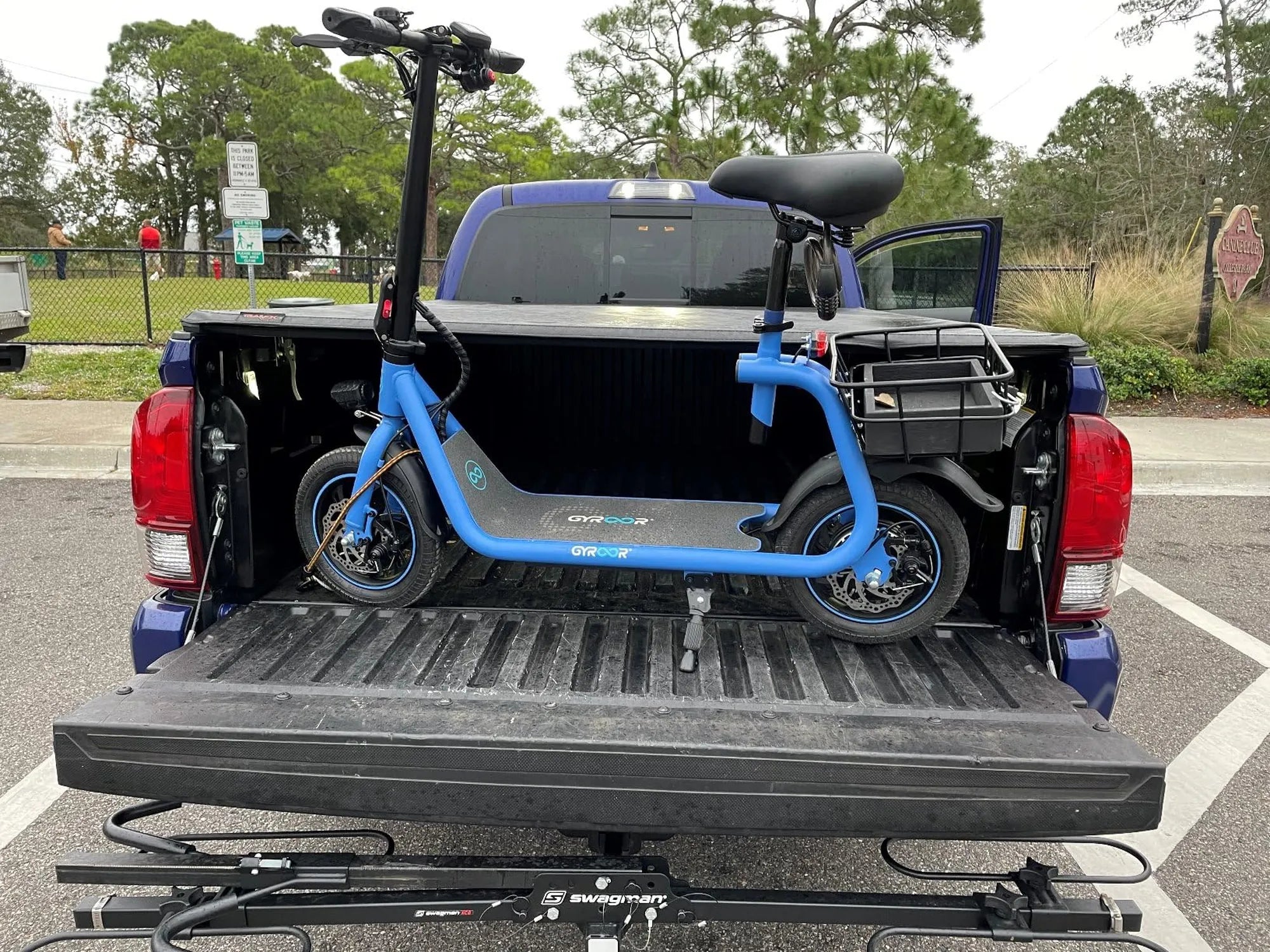
Imagine zipping through city traffic on an electric scooter that doesn’t just save fuel but also offers an impressive 100 km range on a single charge—all at an affordable price. By 2025, India is set to witness a surge in high-range electric scooters that promise to redefine urban mobility. With rising fuel costs and growing environmental concerns, the shift toward electric vehicles (EVs) is inevitable. This article explores the future of electric scooters in India, focusing on the anticipated 100 km range models, their expected pricing, and how they will transform daily commutes.
The Rise of Electric Scooters in India
India’s electric vehicle market has been growing rapidly, driven by government incentives, increasing fuel prices, and a growing awareness of environmental sustainability. Electric scooters, in particular, have gained popularity due to their affordability, low maintenance costs, and ease of use. By 2025, advancements in battery technology and manufacturing efficiencies are expected to make electric scooters with a 100 km range more accessible to the masses.
Why 100 km Range Matters
A 100 km range is a game-changer for electric scooters. Most urban commuters travel between 20-50 km daily, making a 100 km range more than sufficient for round trips without the need for frequent charging. This eliminates range anxiety, a common concern among potential EV buyers. Additionally, longer-range scooters reduce dependency on charging infrastructure, making them ideal for Indian cities where charging stations are still sparse.
Expected Price Range in 2025
Currently, electric scooters with a 100 km range are priced at a premium, but industry experts predict a significant drop in prices by 2025. Factors such as local battery production, economies of scale, and government subsidies are expected to bring the price of these scooters within the range of INR 80,000 to INR 1,20,000. This price bracket will make them competitive with conventional petrol scooters, further accelerating adoption.
Technological Advancements Driving the Change
The key to achieving a 100 km range lies in advancements in battery technology. Lithium-ion batteries are becoming more efficient, lighter, and cheaper to produce. Additionally, regenerative braking systems and energy-efficient motors are contributing to extended ranges. By 2025, we can expect even more innovations, such as solid-state batteries, which promise higher energy density and faster charging times.
Government Policies and Incentives
The Indian government has been actively promoting electric mobility through schemes like FAME II (Faster Adoption and Manufacturing of Electric Vehicles). These policies provide subsidies for EV buyers and incentives for manufacturers to produce affordable, high-range electric scooters. State governments are also offering additional benefits, such as reduced road tax and registration fees, making EVs an attractive option.
Challenges and Solutions
Despite the optimistic outlook, challenges remain. The lack of widespread charging infrastructure and consumer skepticism about battery life are significant hurdles. However, companies are addressing these issues by introducing swappable battery technology and expanding charging networks. Public-private partnerships are also playing a crucial role in building the necessary infrastructure to support the growing EV ecosystem.
The Environmental Impact
Switching to electric scooters with a 100 km range will have a profound impact on reducing carbon emissions. India’s cities are among the most polluted in the world, and electric scooters offer a cleaner alternative to petrol-powered vehicles. By 2025, widespread adoption of these scooters could significantly improve air quality and reduce the country’s carbon footprint.
Consumer Preferences and Market Trends
Indian consumers are increasingly prioritizing sustainability and cost-efficiency when choosing vehicles. A survey revealed that over 60% of potential buyers would consider an electric scooter if it offered a 100 km range at an affordable price. Manufacturers are responding to this demand by introducing feature-rich models with advanced safety features, smart connectivity, and stylish designs.
The Road Ahead
By 2025, electric scooters with a 100 km range are expected to dominate India’s two-wheeler market. With competitive pricing, improved technology, and strong government support, these scooters will make eco-friendly commuting a reality for millions. The future of urban mobility in India is electric, and the 100 km range scooter is leading the charge.
Don’t miss out on the electric revolution—stay tuned for the latest updates on high-range electric scooters and how they can save you money while saving the planet. The era of affordable, long-range electric scooters is just around the corner, and 2025 could be the year your commute gets a whole lot greener.
Best Electric Scooters or Bikes for Trail Riding: A Complete Guide
Electric Scooters with LED Wheels: The Future of Urban Commuting