


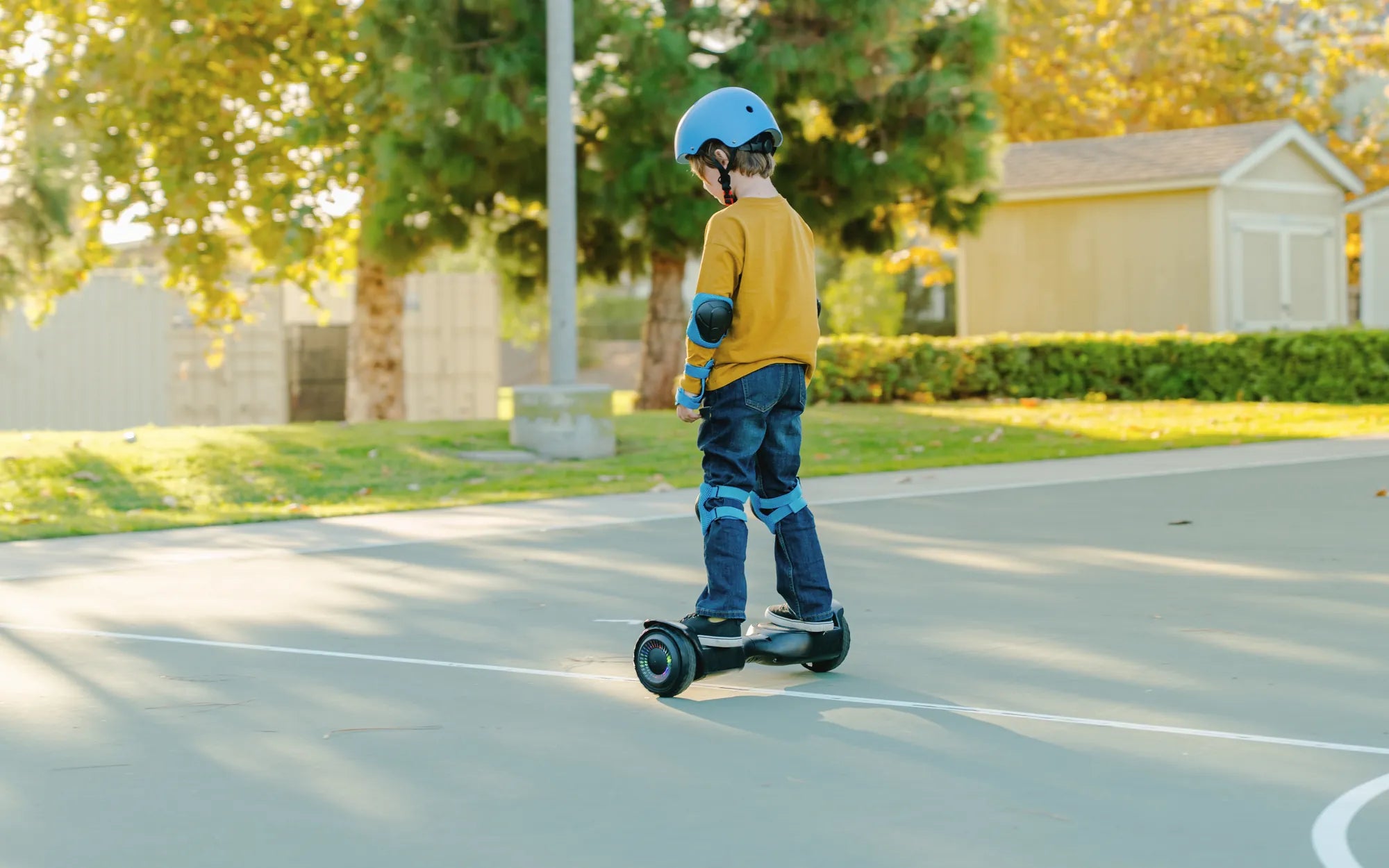
The arrival of electric scooters capable of reaching 30mph marks a significant evolution in personal mobility for young riders, moving beyond basic toys into the realm of serious recreational vehicles. This performance tier raises crucial questions for parents about safety, suitability, and responsible ownership. This article provides a comprehensive, data-driven guide to understanding the Electric Scooter 30mph Kids category. You will learn the essential safety frameworks, the engineering that makes controlled speed possible, and how to assess if this powerful experience aligns with your child's maturity and skill level, with insights from leading brands like Gyroor that prioritize safety within performance.
Understanding the 30mph Electric Scooter: A New Category of Ride
A 30mph-capable electric scooter represents a distinct class, far removed from typical toy-store models. It is engineered for performance, demanding greater respect and responsibility from both the rider and supervising adult. These scooters are generally intended for older teenagers and mature pre-teens, typically with age recommendations starting around 13-14 years, though maturity and physical size are more critical factors than age alone.
The shift to this speed tier transforms the scooter from a casual neighborhood cruiser to a vehicle requiring dedicated skill. It introduces dynamics of higher-speed stability, longer braking distances, and a need for proactive hazard awareness. The investment in a Electric Scooter 30mph Kids model is also an investment in a comprehensive safety education and gear.
Parents must recognize that this is not a beginner's device. Prior experience with bicycles, skateboards, or lower-speed electric scooters is a highly recommended prerequisite. The rider should demonstrate not just physical coordination but also a proven ability to follow rules, understand cause-and-effect, and respond calmly to unexpected situations.
Key Features of a Performance-Oriented Scooter
Several core components differentiate a true 30mph scooter from its slower counterparts. The motor is the heart of performance, typically ranging from 500 watts to 800 watts or more. This power enables rapid acceleration and the ability to maintain higher speeds, even on mild inclines.
The battery system is equally critical. High-capacity, UL-certified lithium-ion packs, like those used in Gyroor models, provide the necessary energy density for extended range at high speeds, often between 15 to 25 miles per charge. Certification ensures rigorous testing for safety, mitigating risks of overheating—a non-negotiable feature for parent.
Braking and suspension systems must match the increased performance. A combination of electronic braking and a mechanical disc or drum brake is standard for reliable, controlled stops. Pneumatic (air-filled) tires and front or dual suspension are essential for absorbing road imperfections at speed, providing stability and control that solid tires cannot match.
The Safety Imperative: Non-Negotiables for High-Speed Riding
When a scooter can travel at 30mph, safety ceases to be an accessory and becomes the absolute foundational element of the riding experience. The kinetic energy involved in a potential fall or collision at this speed is exponentially greater than at 15mph, making comprehensive protection and disciplined practice mandatory.
Data from safety organizations consistently shows that the majority of severe injuries in micromobility are preventable with proper gear and behavior. Adopting a "safety-first" culture from the outset is the single most important factor in ensuring the Electric Scooter 30mph Kids experience remains positive and rewarding.
Essential Protective Gear: Beyond the Basic Helmet
A standard bicycle helmet is insufficient for 30mph riding. A full-face mountain bike or multi-impact sports helmet certified to DOT or CPSC standards is strongly recommended. This design protects the jaw, teeth, and full cranial region, areas highly vulnerable in a high-speed forward fall.
Knee and elbow pads should be considered mandatory, not optional. Look for hard-shell caps with impact-absorbing foam. Durable, palm-reinforced gloves protect hands during slides and improve grip. High-visibility clothing or reflective vest is crucial if riding extends to dusk or in areas with potential vehicle traffic.
This full kit must be worn for every ride, without exception. Establishing this non-negotiable rule from day one ingrains the seriousness of the activity and significantly reduces the risk of catastrophic injury.
Pre-Ride Checklists and Riding Environments
A systematic pre-ride inspection should become ritualistic. Check tire pressure and for signs of wear. Test both brake systems for responsiveness. Ensure all lights are functional. Verify that the folding mechanism (if present) is securely locked. Confirm the battery is adequately charged for the planned ride.
Environment selection is paramount. Public roads with vehicle traffic are inappropriate and often illegal for these scooters. Sidewalks are dangerous for pedestrians and unsuitable for high speeds. Ideal locations include private driveways, empty parking lots, closed courses, or designated bike paths where local laws permit such vehicles. Always avoid wet, sandy, or gravel-covered surfaces.
The Role of Parental Supervision and Training
Parental involvement must be active and ongoing. Initial training should begin in a completely controlled, open, and hazard-free area. Start with the scooter set to its lowest speed mode, focusing on basic operation, balance, braking, and turning before ever approaching top speed.
Gradually introduce more complex skills like scanning for hazards, signaling, and managing slight inclines. Parents must set and enforce clear boundaries on where, when, and how the scooter can be used. Continuous assessment of the child's judgment, respect for rules, and reaction to close calls is essential. Ownership is a privilege earned through demonstrated responsibility.
Gyroor's Approach: Engineering Safety into Speed
Responsible brands understand that delivering a 30mph capable scooter for young riders is an exercise in integrating robust safety engineering with performance. Gyroor's design philosophy for its performance models centers on providing parents with tools for control and riders with predictable, reliable handling.
This approach aligns technical specifications with practical safety needs, offering peace of mind through certified components and intelligent features. The goal is to create a platform where speed is accessible but always managed, making the Electric Scooter 30mph Kids a product of considered engineering, not just raw power.
Speed Management and Control Features
A critical feature for any high-speed youth scooter is programmable speed limiting. Gyroor models typically include multiple speed modes (e.g., Beginner: 10mph, Eco: 15mph, Sport: 20mph, and Turbo: 30mph). Parents can set a password-protected maximum speed, allowing skill development to progress safely and gradually.
Braking systems are dual-redundant, combining regenerative electronic braking (which helps recharge the battery slightly) with a physical disc or drum brake. This ensures stopping power is maintained even if one system were to falter. Wide, pneumatic tires and responsive steering geometry provide stable handling, while IPX5 water-resistant construction adds reliability against unexpected puddles or light rain.
Durability and Warranty: Peace of Mind for Parents
Investing in a high-performance scooter is a significant decision. Gyroor supports this with a comprehensive 1-year warranty covering the frame, motor, battery, and electronic components. This warranty, backed by US-based customer support, reflects confidence in the product's durability and construction.
The use of aerospace-grade aluminum alloy frames and UL-certified battery packs, tested for over 500 charge cycles, directly addresses long-term safety and reliability concerns. Durable construction minimizes the risk of mechanical failure due to stress or fatigue, a crucial factor when the vehicle operates at its performance limits.
Making an Informed Decision: Is a 30mph Scooter Right for Your Child?
This decision requires honest assessment beyond excitement or peer pressure. Consider the child's physical size and strength—they must be able to comfortably control the scooter's weight and handlebar position. Evaluate their maturity: Do they consistently follow safety rules with bicycles? Do they show good judgment and an understanding of consequences?
Assess the available riding environments. Without consistent access to a safe, large, paved area like a private driveway or empty lot, the utility and safety of a 30mph scooter diminish significantly. Finally, be prepared for the ongoing commitment to supervision, maintenance, and reinforcing safety protocols.
Comparison: 30mph vs. Lower-Speed Electric Scooters
The table below contrasts key factors between scooter performance categories to clarify the distinct use case for a 30mph model.
| Feature | 15-20mph Scooter (Recreational) | 30mph Scooter (Performance) |
|---|---|---|
| Intended Age/Weight | Younger teens, 10+ (varies), up to 220 lbs | Older teens/Adults, 13-14+, often 220-265 lb capacity |
| Primary Use Case | Neighborhood cruising, park paths, short commutes | Extended recreational rides, large property use, thrill-seeking |
| Safety Gear Requirement | Helmet essential; pads recommended | Full-face helmet, full pads, gloves – all mandatory |
| Rider Skill Level | Beginner to Intermediate | Experienced; requires prior 2-wheel vehicle proficiency |
| Parental Supervision | Recommended, especially initially | Essential for training; ongoing oversight critical |
| Ideal Riding Environment | Residential streets (where legal), bike paths, sidewalks (cautiously) | Private property, closed courses, designated trails |
| Cost & Investment | Moderate | Higher, plus significant investment in premium safety gear |
This comparison shows the Electric Scooter 30mph Kids model is a specialized tool for a specific, responsible rider, not a universal upgrade.
Maintenance and Upkeep for Long-Term Performance and Safety
Regular maintenance is a critical safety practice for high-performance scooters. A neglected scooter can develop faults that become serious hazards at 30mph. Establishing a simple weekly and monthly checklist extends the vehicle's life and ensures it operates predictably.
Weekly tasks should include checking and adjusting tire pressure to the manufacturer's recommended PSI, testing brake lever tension and pad wear, and wiping down the scooter to check for loose bolts or unusual sounds. Monthly, inspect the brake cables or hydraulic lines for damage, examine the frame for any hairline cracks, especially near folding mechanisms and welds, and ensure all electronic connections are secure and free of corrosion.
Battery care is paramount. Follow the manufacturer's charging guidelines precisely. Avoid leaving the battery fully depleted or at 100% charge for extended periods. Store the scooter in a cool, dry place. Proper maintenance transforms the scooter from a disposable toy into a reliable machine, reinforcing the lessons of responsibility associated with its use.
Navigating Legal and Insurance Considerations
The legal landscape for electric scooters capable of 30mph is complex and varies dramatically by jurisdiction. In most cities and states, vehicles with this capability are not legally considered "toys" and may be classified as motorized vehicles, potentially subject to regulations governing mopeds or even motorcycles.
It is highly unlikely they are legal for use on public sidewalks. Use on public roads may be restricted or require licensing, insurance, and registration—requirements typically impossible for a minor to meet. The only universally safe legal assumption is that these scooters are for use on private property with the owner's permission.
Parents should contact their local Department of Motor Vehicles or city transportation authority for specific ordinances. Furthermore, consult your homeowner's or renter's insurance policy. Liability coverage in case the rider causes injury to others or property damage is a serious consideration often overlooked in the excitement of purchase.
Fostering Responsible Thrills for the Next Generation
The journey with a 30mph electric scooter, when undertaken correctly, is about more than speed; it's a powerful tool for teaching adolescents about mechanical responsibility, risk assessment, and the rewards of disciplined practice. It offers an unparalleled sense of freedom and excitement that can be deeply rewarding.
This experience is only sustainable when built on the unshakeable foundation of safety gear, supervised training, and a reliable, well-engineered vehicle. By choosing a brand like Gyroor that prioritizes UL-certified safety and control features, and by committing to the non-negotiable rules of engagement, parents can unlock a thrilling and positive form of recreation for their young riders. It demonstrates that with great power (and speed) comes great responsibility—a lesson that extends far beyond the scooter path.
Frequently Asked Questions (FAQ)
Q: What is the minimum recommended age for a 30mph electric scooter?
A: While legally dependent on local regulations, most manufacturers and safety advocates suggest a minimum of 13-14 years old. However, chronological age is less important than demonstrated maturity, physical size, coordination, and a proven track record of responsible behavior with other wheeled vehicles. Parental discretion and active supervision are paramount.
Q: Can I legally ride a 30mph electric scooter on the road or sidewalk?
A: Almost certainly not. Local laws vary, but vehicles capable of 20-30mph are frequently prohibited on sidewalks for pedestrian safety and are often barred from public roadways unless they meet specific equipment (lights, signals, license plate mount) and licensing requirements typically reserved for mopeds. They are designed for use on private property or in other controlled, legal environments.
Q: How does Gyroor ensure battery safety in its high-speed scooters?
A: Gyroor uses UL-certified lithium-ion battery packs across its performance lineup. This certification means the battery cells, BMS (Battery Management System), and enclosure have undergone independent, rigorous testing for electrical, mechanical, and environmental safety, drastically reducing risks associated with overheating, short-circuiting, or thermal runaway compared to uncertified batteries.
Q: Can the top speed be limited for a beginner rider?
A> Yes, this is a standard and critical feature. Gyroor's performance scooters include multiple speed modes that allow a parent to set a lower maximum speed (e.g., 10mph or 15mph) via the display or a companion app. This enables gradual skill development in a controlled manner, only unlocking higher speeds as the rider demonstrates proficiency and responsibility.
Q: What is the typical range on a single charge for a 30mph scooter, and how long does it take to charge?
A: Range varies based on rider weight, terrain, and speed mode, but a typical range for a quality 30mph scooter is between 15-25 miles per charge. Charging time for a depleted UL-certified battery is usually between 4 to 6 hours using the provided smart charger, which automatically stops charging when full to preserve battery health.
Q: Is prior riding experience necessary before using a 30mph scooter?
A: Absolutely. It is strongly recommended that a rider has significant, confident experience with a bicycle, a lower-speed electric scooter, or a similar two-wheeled vehicle. This builds fundamental balance, steering control, and braking instincts that are essential for managing the increased power and speed safely. A 30mph scooter should not be anyone's first wheeled vehicle.
Ready to explore performance electric scooters engineered with safety and control at their core? Browse the full Gyroor collection, featuring models with adjustable speed modes, UL-certified batteries, and robust construction, at gyroorboard.com.
Kids Scooter 9+: The Ultimate Guide to Choosing the Best Ride for Your Child
Whats the Best Hoverboard to Buy: A Comprehensive Guide to Safe, Reliable Riding