


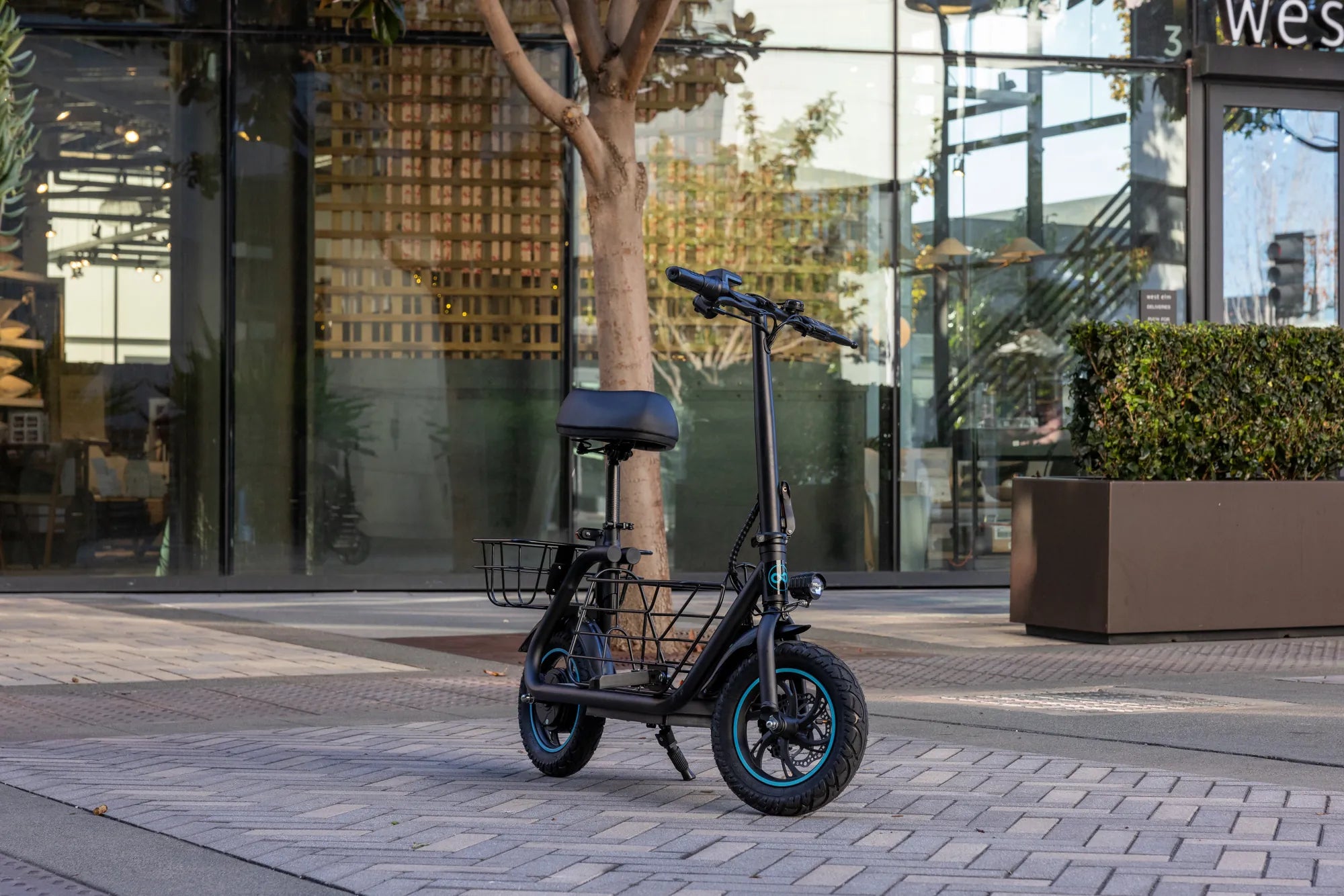
The electric scooter and battery market is booming, and it's not hard to see why. With cities becoming more congested and environmental concerns taking center stage, consumers and businesses alike are turning to electric scooters as a convenient, eco-friendly alternative to traditional transportation. But what's really driving this explosive growth, and what does the future hold for this rapidly evolving industry?
The Rise of Electric Scooters: A Global Phenomenon
Urbanization has played a pivotal role in the adoption of electric scooters. As more people move to cities, traditional transportation systems struggle to keep up with demand. Electric scooters offer a nimble, cost-effective solution for short-distance commuting, making them increasingly popular in densely populated areas.
The global electric scooter market was valued at approximately $20 billion in 2021 and is projected to grow at a compound annual growth rate (CAGR) of over 8% through 2030. This growth is being fueled by several key factors:
- Increasing environmental awareness and government initiatives promoting clean transportation
- Technological advancements in battery efficiency and scooter design
- The growing sharing economy and micro-mobility services
- Rising fuel costs making electric alternatives more attractive
Battery Technology: The Heart of Market Expansion
The battery market for electric scooters is growing even faster than the scooters themselves, with projections suggesting a CAGR of nearly 12% over the same period. This parallel growth highlights how critical battery technology is to the entire electric scooter ecosystem.
Modern electric scooters rely primarily on lithium-ion batteries, which offer:
- Higher energy density than traditional lead-acid batteries
- Longer lifespan and faster charging times
- Reduced weight, improving scooter performance
However, the battery industry faces significant challenges, including raw material shortages, recycling difficulties, and safety concerns. These issues are driving innovation in alternative battery technologies, such as solid-state batteries and sodium-ion batteries, which could revolutionize the market in coming years.
Regional Market Dynamics
The Asia-Pacific region currently dominates both the electric scooter and battery markets, accounting for over 60% of global sales. China leads the pack, followed by India and Southeast Asian countries where electric scooters are particularly popular for last-mile delivery services.
Europe and North America are experiencing rapid growth as well, with many cities implementing dedicated infrastructure for micro-mobility solutions. Government subsidies and tax incentives in these regions are making electric scooters more accessible to consumers.
Challenges Facing the Industry
Despite the optimistic growth projections, the electric scooter and battery market faces several hurdles:
- Regulatory uncertainty in many markets regarding where and how electric scooters can be used
- Safety concerns, particularly regarding battery fires and accidents
- Infrastructure limitations, including charging stations and parking spaces
- Supply chain disruptions affecting battery production
Addressing these challenges will be crucial for sustaining long-term growth in the sector.
The Future of Electric Scooters and Batteries
Looking ahead, several trends are likely to shape the future of this market:
- Integration with smart city infrastructure and IoT technology
- Development of swappable battery systems to reduce charging downtime
- Advances in battery recycling to create a more circular economy
- Expansion into new market segments, including commercial and industrial applications
As battery technology continues to improve and cities become more accommodating to micro-mobility solutions, electric scooters are poised to become an even more integral part of urban transportation systems worldwide.
The electric scooter revolution is just getting started, and with battery innovations accelerating at an unprecedented pace, we're likely to see even more dramatic changes in how we move through our cities in the coming decade. Whether you're an investor, urban planner, or simply someone looking for a better way to commute, this is one market trend you won't want to miss.
Is an Electric Dirt Bike Considered a Motorized Vehicle? Exploring the Legal and Practical Implications
Is an Electric Dirt Bike Considered a Motorized Vehicle? Exploring the Legal and Practical Implications