

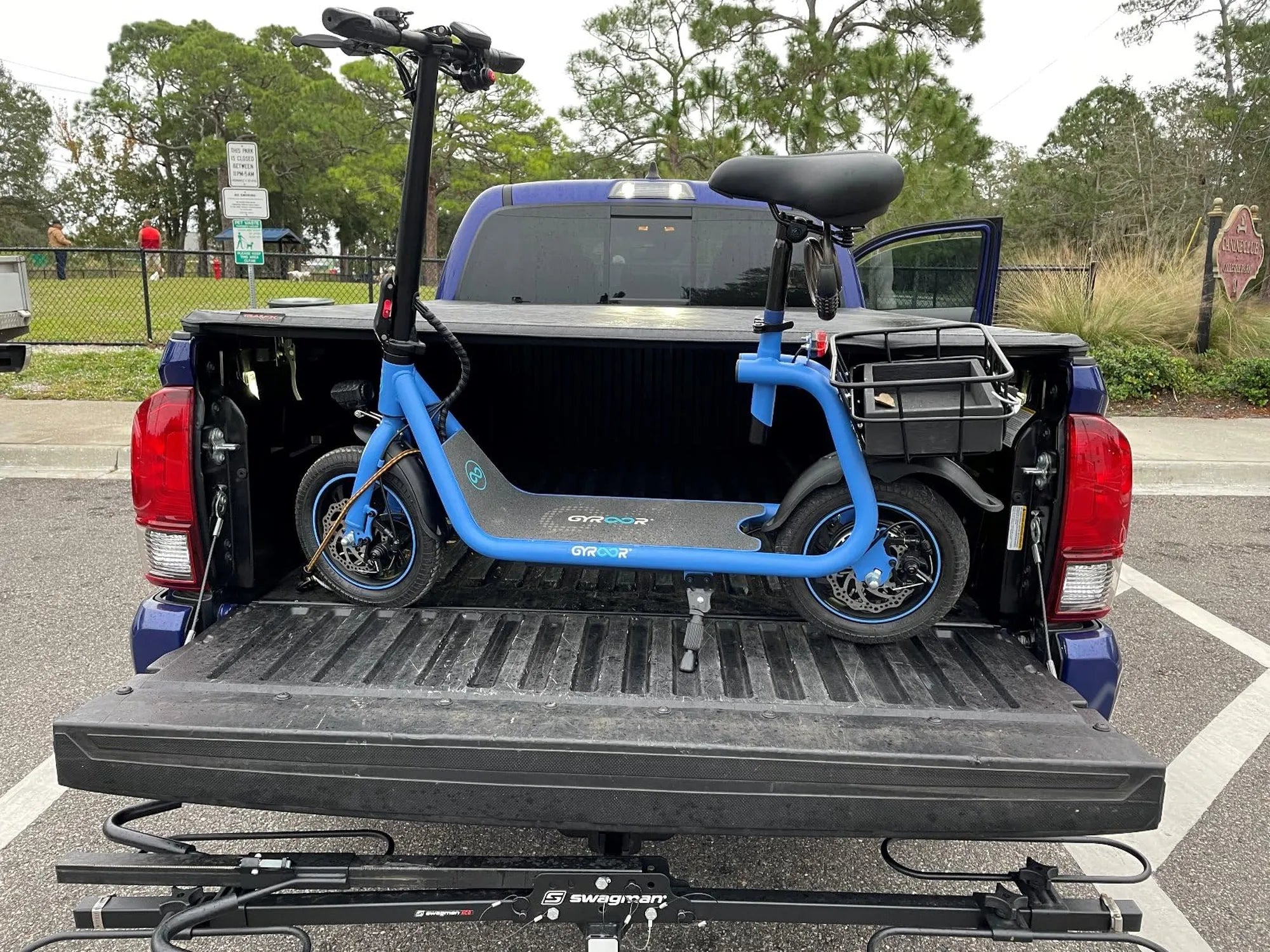
Electric scooters have become a popular mode of transportation in Canada, offering an eco-friendly and cost-effective way to navigate urban landscapes. At the heart of every electric scooter is its battery, the powerhouse that determines performance, range, and longevity. Whether you're a daily commuter or a weekend rider, understanding electric scooter batteries in Canada is essential to maximizing your ride.
Types of Electric Scooter Batteries
Electric scooters in Canada typically use one of three types of batteries: lithium-ion (Li-ion), lead-acid, and nickel-metal hydride (NiMH). Each has its own advantages and drawbacks.
Lithium-Ion Batteries
Lithium-ion batteries are the most common choice for modern electric scooters. They are lightweight, have a high energy density, and offer a longer lifespan compared to other types. These batteries also charge quickly and perform well in cold Canadian winters, though extreme temperatures can still affect their efficiency.
Lead-Acid Batteries
Lead-acid batteries are an older technology and are generally heavier and bulkier. They are less expensive upfront but have a shorter lifespan and require more maintenance. These batteries are less common in newer electric scooters but may still be found in budget models.
Nickel-Metal Hydride Batteries
NiMH batteries strike a balance between lithium-ion and lead-acid batteries. They are more environmentally friendly and have a decent energy density, but they are less efficient in cold weather and have a moderate lifespan.
Factors Affecting Battery Performance in Canada
Several factors influence how well an electric scooter battery performs in Canada's diverse climate and terrain.
Temperature
Cold weather can significantly impact battery performance, reducing range and charging efficiency. Storing your scooter in a warm place when not in use and allowing the battery to warm up before riding can help mitigate these effects.
Terrain
Hilly or uneven terrain requires more power, draining the battery faster. Riders in cities like Vancouver or Montreal may notice reduced range compared to those in flatter areas like Toronto.
Riding Habits
Aggressive acceleration and frequent stops can drain the battery quicker. Maintaining a steady speed and using regenerative braking (if available) can help conserve energy.
Maintenance Tips for Electric Scooter Batteries
Proper care can extend the life of your electric scooter battery and ensure optimal performance.
Regular Charging
Avoid letting the battery fully discharge. Charge it after every ride or when it reaches 20-30% capacity. Overcharging can also damage the battery, so unplug it once fully charged.
Storage
If storing your scooter for an extended period, keep the battery at 50-60% charge and store it in a cool, dry place. Check the charge level every few months and top it up if necessary.
Cleaning
Keep the battery terminals clean and free of corrosion. Use a dry cloth to wipe away dirt and debris, and avoid exposing the battery to water.
Regulations and Safety for Electric Scooter Batteries in Canada
Canada has specific regulations regarding electric scooter batteries to ensure safety and environmental protection.
Transportation
When transporting spare batteries, follow Transport Canada guidelines. Lithium-ion batteries must be carried in carry-on luggage if flying, with limits on watt-hour ratings.
Disposal
Batteries must be disposed of properly at designated recycling centers. Many retailers and municipalities in Canada offer battery recycling programs.
Safety Precautions
Always use the charger provided with your scooter or a compatible replacement. Avoid exposing the battery to extreme temperatures or physical damage, which can lead to leaks or fires.
Buying Tips for Electric Scooter Batteries in Canada
If you need to replace your electric scooter battery, consider these factors to make an informed decision.
Compatibility
Ensure the battery is compatible with your scooter model. Check voltage, capacity, and connector type before purchasing.
Warranty
Look for batteries with a warranty, as this indicates the manufacturer's confidence in the product. A typical warranty lasts 6-12 months.
Price vs. Quality
While budget options may be tempting, investing in a high-quality battery can save money in the long run by reducing replacement frequency.
Electric scooter batteries are the lifeline of your ride, and understanding their nuances can make all the difference in your commuting experience. From choosing the right type to maintaining it properly, these tips will help you get the most out of your electric scooter in Canada. Ready to hit the road with confidence? Your battery is the key to unlocking endless adventures.
1300 Watt Electric Scooter: The Ultimate Guide to Power and Performance
Best Electric Scooter with High Mileage: Top Picks for Long-Distance Rides