



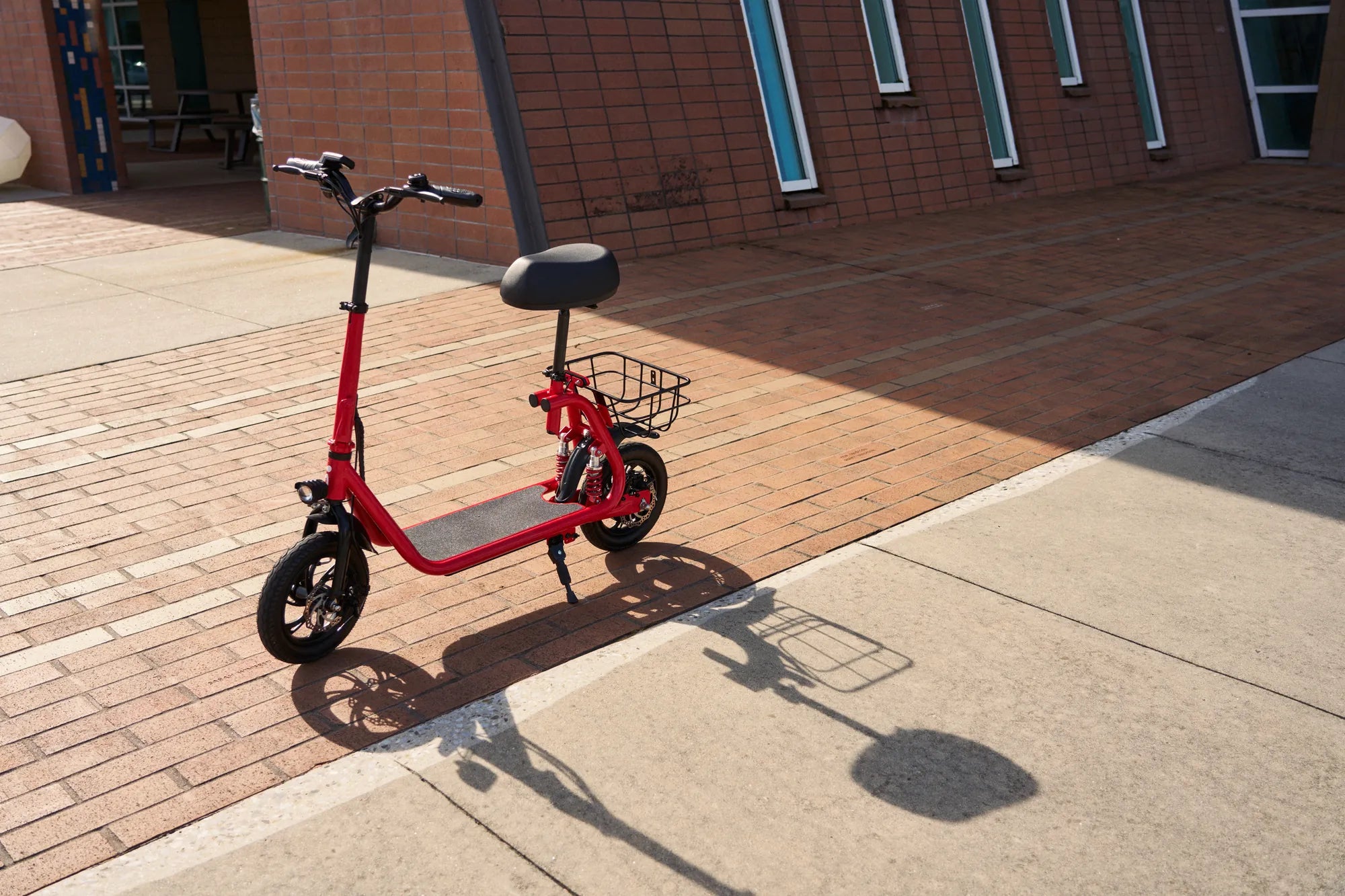
Electric scooters have become a popular mode of transportation, offering convenience, eco-friendliness, and cost savings. But how much does it really cost to charge an electric scooter battery? If you're curious about the financial impact of keeping your scooter powered up, you're in the right place. Let's break down the numbers and explore ways to minimize your charging expenses.
Understanding Electric Scooter Battery Charging Costs
The cost of charging an electric scooter battery depends on several factors, including battery capacity, local electricity rates, and charging frequency. On average, a standard electric scooter battery has a capacity of around 250 to 500 watt-hours (Wh). To calculate the cost, you'll need to know your electricity rate, which is typically measured in kilowatt-hours (kWh).
For example, if your scooter has a 300Wh battery and your electricity costs $0.15 per kWh, a full charge would cost:
300Wh ÷ 1000 = 0.3 kWh
0.3 kWh × $0.15 = $0.045 per charge
That's less than five cents per charge! Even if you charge your scooter daily, the monthly cost would be around $1.35, which is significantly cheaper than fueling a car or using public transportation.
Factors That Influence Charging Costs
While the base cost is low, several variables can affect your total charging expenses:
- Battery Capacity: Larger batteries consume more electricity, increasing charging costs.
- Charging Efficiency: Some energy is lost as heat during charging, so the actual cost may be slightly higher.
- Local Electricity Rates: Rates vary by region, so your costs may differ based on where you live.
- Charging Habits: Frequent partial charges may be less efficient than full charges.
How to Reduce Your Electric Scooter Battery Charging Cost
Want to save even more on charging? Here are some practical tips:
- Charge During Off-Peak Hours: Some utility companies offer lower rates during non-peak times.
- Use a Smart Charger: These devices optimize charging to reduce energy waste.
- Maintain Your Battery: A well-maintained battery holds a charge better, reducing the need for frequent top-ups.
- Avoid Overcharging: Unplug your scooter once it's fully charged to prevent unnecessary energy use.
Comparing Electric Scooter Charging Costs to Other Transport Options
When stacked against alternatives like cars, buses, or rideshares, electric scooters are a clear winner in terms of cost efficiency. For instance, the average cost to drive a car for 10 miles is around $0.60 in fuel alone, while charging an electric scooter for the same distance might cost just a few cents.
Public transportation can also be more expensive, especially if you commute daily. A monthly bus pass in many cities costs $50 or more, whereas charging an electric scooter for the same period could be under $5.
The Environmental Impact of Charging an Electric Scooter
Beyond cost savings, electric scooters are a greener choice. Charging a scooter battery produces far fewer carbon emissions than driving a gas-powered vehicle. If your electricity comes from renewable sources, the environmental benefits are even greater.
By choosing an electric scooter, you're not only saving money but also contributing to cleaner air and reduced fossil fuel dependence.
Long-Term Savings with an Electric Scooter
Over time, the savings from charging an electric scooter can add up significantly. If you replace even a fraction of your car trips with scooter rides, you could save hundreds of dollars annually on fuel, parking, and maintenance.
Plus, electric scooters have fewer moving parts than cars, meaning lower repair costs and longer lifespans for well-maintained models.
Common Myths About Electric Scooter Charging Costs
Some people believe that charging an electric scooter is expensive or that it strains the power grid. In reality, the energy required is minimal—equivalent to running a desktop computer for a few hours. The grid impact is negligible, especially when compared to electric vehicles or household appliances.
Another myth is that frequent charging degrades the battery quickly. Modern lithium-ion batteries are designed to handle regular charging, and proper care can extend their lifespan.
Future Trends in Electric Scooter Battery Technology
As battery technology advances, charging costs are likely to decrease even further. Innovations like solid-state batteries and faster charging solutions could make electric scooters even more affordable and convenient.
Governments and companies are also investing in charging infrastructure, making it easier than ever to keep your scooter powered up on the go.
Ready to slash your transportation costs and embrace a more sustainable lifestyle? Charging an electric scooter battery is a small expense with big rewards—both for your wallet and the planet. Start riding smarter today!
Electric Scooter Model Names: The Ultimate Guide to Choosing the Best Ride
How to Make a Self Balancing Electric Scooter: A Step-by-Step Guide