



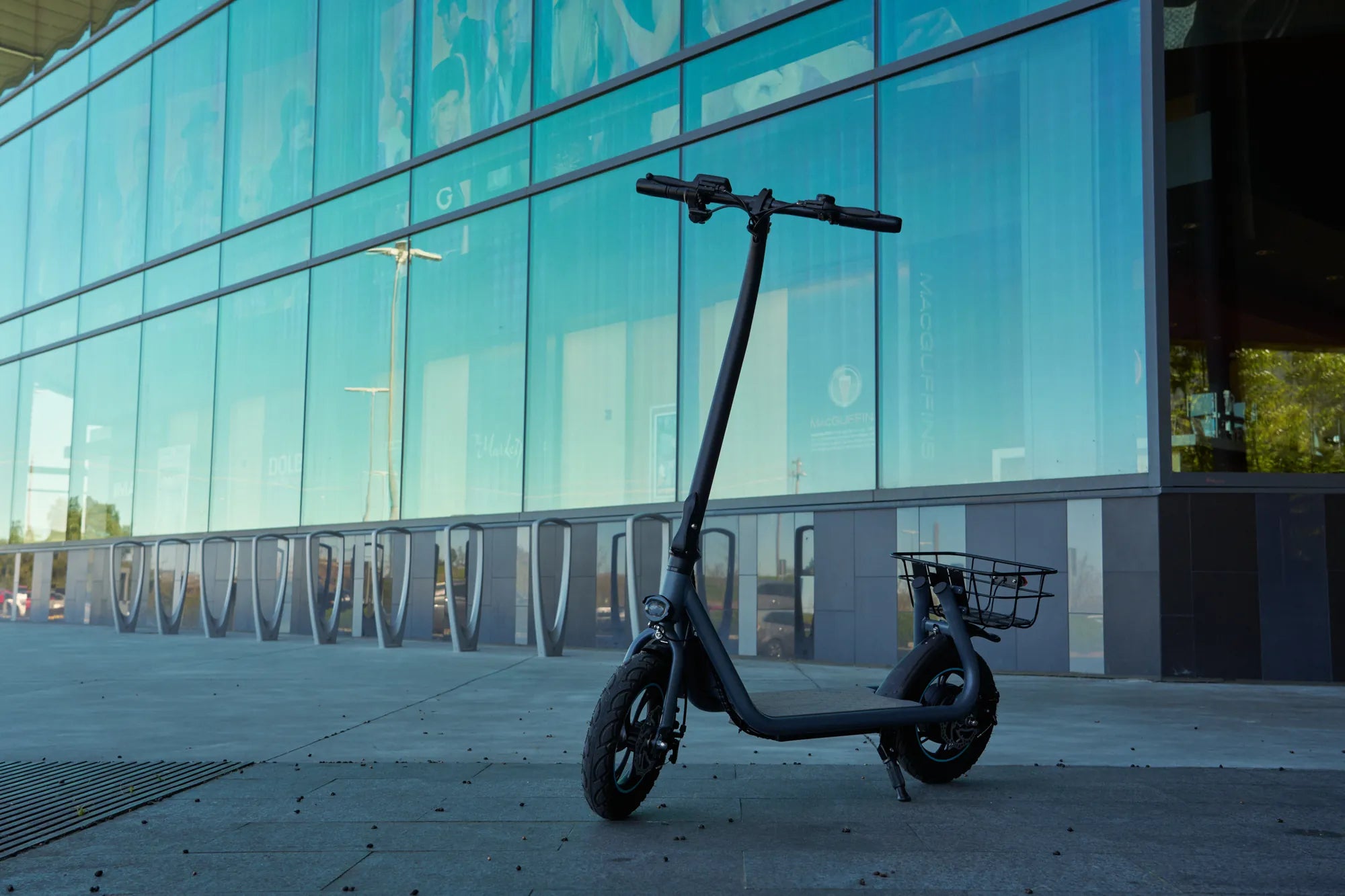
Electric scooters have revolutionized urban mobility, offering a convenient and eco-friendly way to navigate crowded streets. But what powers these sleek machines? The answer lies in their batteries. Understanding electric scooter battery types is crucial for making an informed purchase and ensuring optimal performance. Whether you're a daily commuter or a weekend rider, the right battery can make all the difference in speed, range, and longevity.
Why Battery Type Matters
The battery is the heart of your electric scooter, dictating how far and how fast you can go. Different battery types offer varying levels of energy density, lifespan, and charging times. Choosing the wrong one could leave you stranded or constantly searching for an outlet. Let's dive into the most common electric scooter battery types and what sets them apart.
Lead-Acid Batteries
Once the standard for electric scooters, lead-acid batteries are known for their affordability. These batteries are heavy and bulky, which can affect your scooter's portability. They also have a shorter lifespan compared to modern alternatives, typically lasting between 200 and 300 charge cycles. However, they are reliable and widely available, making them a budget-friendly option for casual riders.
Pros of Lead-Acid Batteries
- Low upfront cost
- Widely available
- Reliable performance
Cons of Lead-Acid Batteries
- Heavy and bulky
- Shorter lifespan
- Slower charging times
Nickel-Metal Hydride (NiMH) Batteries
NiMH batteries strike a balance between lead-acid and lithium-ion options. They are lighter and more energy-dense than lead-acid batteries but don't quite match the performance of lithium-ion. These batteries are less common in modern electric scooters but can still be found in some mid-range models. They typically last between 500 and 800 charge cycles.
Pros of NiMH Batteries
- Lighter than lead-acid
- Moderate energy density
- Better lifespan than lead-acid
Cons of NiMH Batteries
- Still heavier than lithium-ion
- Lower energy density than lithium-ion
- Memory effect issues
Lithium-Ion (Li-ion) Batteries
Lithium-ion batteries are the gold standard for electric scooters today. They offer high energy density, lightweight design, and long lifespans, often exceeding 1,000 charge cycles. These batteries are more expensive upfront but provide better value over time due to their durability and efficiency. Most high-end electric scooters now come equipped with lithium-ion batteries.
Pros of Lithium-Ion Batteries
- Lightweight and compact
- High energy density
- Long lifespan
- Fast charging times
Cons of Lithium-Ion Batteries
- Higher upfront cost
- Sensitive to extreme temperatures
- Requires careful handling
Lithium Iron Phosphate (LiFePO4) Batteries
A subtype of lithium-ion batteries, LiFePO4 batteries are known for their safety and stability. They are less prone to overheating and have an even longer lifespan, often exceeding 2,000 charge cycles. While they are heavier than standard lithium-ion batteries, their durability makes them a popular choice for commercial and heavy-duty electric scooters.
Pros of LiFePO4 Batteries
- Exceptional lifespan
- High thermal stability
- Safe and reliable
Cons of LiFePO4 Batteries
- Heavier than standard lithium-ion
- Lower energy density
- Higher cost
Choosing the Right Battery for Your Needs
Your choice of battery depends on your riding habits, budget, and performance expectations. Casual riders on a tight budget might opt for lead-acid or NiMH batteries, while frequent commuters will benefit from the longevity and efficiency of lithium-ion options. For those prioritizing safety and durability, LiFePO4 batteries are the way to go.
Factors to Consider
- Range: How far do you need to travel on a single charge?
- Weight: Are you willing to carry a heavier battery for cost savings?
- Lifespan: How often are you willing to replace the battery?
- Charging Time: Can you wait hours for a full charge, or do you need quick top-ups?
Battery Maintenance Tips
Regardless of the battery type, proper maintenance can extend its lifespan and keep your electric scooter running smoothly. Avoid overcharging, store your scooter in a cool, dry place, and try to keep the battery charge between 20% and 80% for optimal health. Regularly inspect the battery for signs of wear or damage.
Quick Maintenance Checklist
- Charge the battery before it fully drains
- Avoid extreme temperatures
- Clean battery terminals periodically
- Follow manufacturer guidelines for storage
Ready to upgrade your ride? The right electric scooter battery can transform your commuting experience, offering longer ranges, faster speeds, and fewer headaches. Whether you're zipping through city streets or cruising along scenic paths, a well-chosen battery ensures you'll never be left powerless.
Best Electric Scooter for 6 Year Old Girl: A Safe and Fun Ride
What Does E2 Mean on Electric Scooter: A Complete Guide