

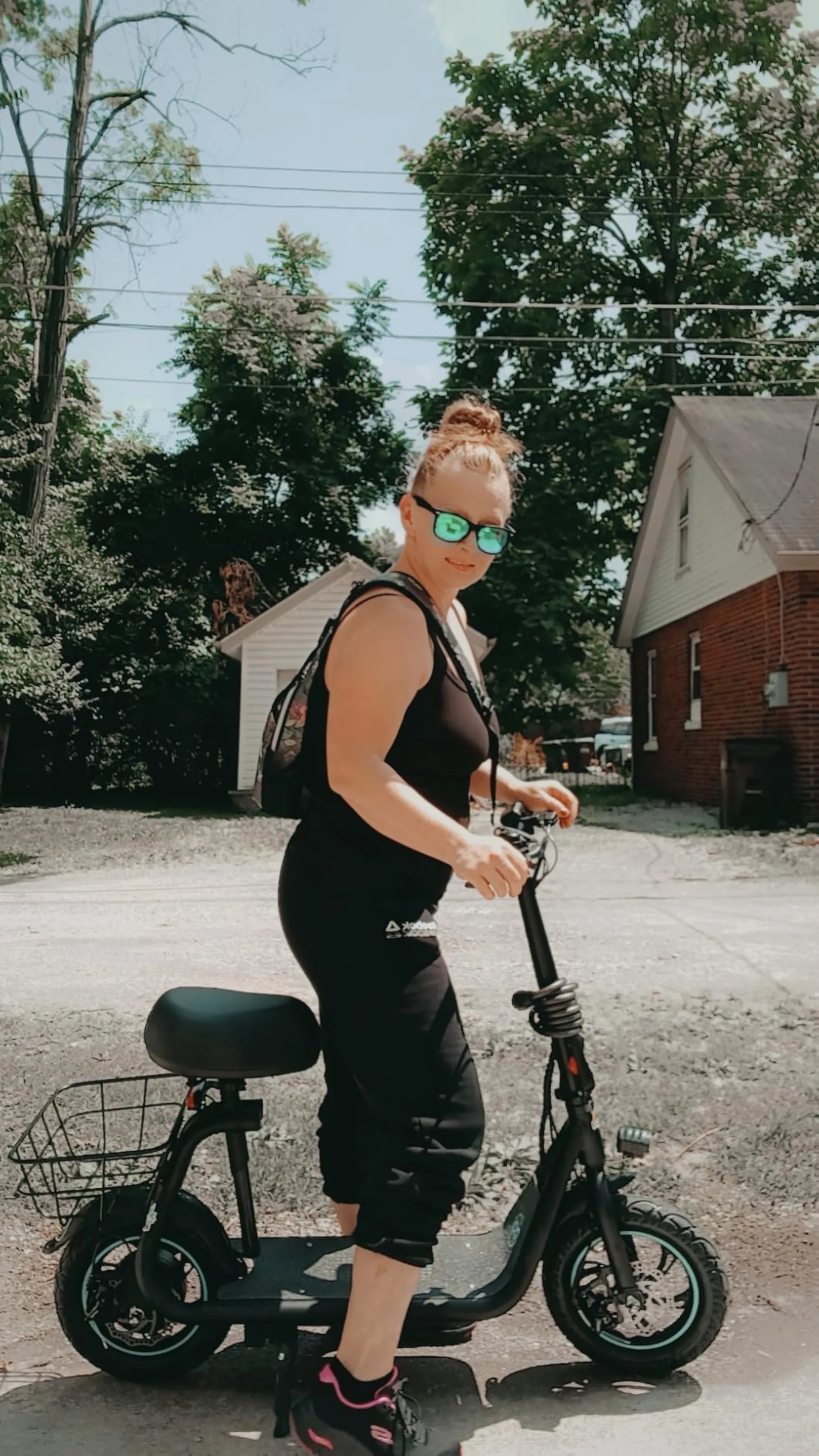
Electric scooters have become a popular mode of transportation, offering convenience and eco-friendly travel. However, brake problems can turn a smooth ride into a hazardous situation. Understanding the causes, solutions, and preventive measures for electric scooter brake issues is crucial for every rider.
Common Electric Scooter Brake Problems
Brake failures or malfunctions in electric scooters can stem from various issues. Here are some of the most frequent problems riders encounter:
- Worn Brake Pads: Over time, brake pads wear down, reducing their effectiveness.
- Loose Brake Cables: Cables can stretch or loosen, leading to poor braking performance.
- Hydraulic Brake Fluid Leaks: Leaks in hydraulic systems can cause a loss of pressure.
- Misaligned Brakes: Improper alignment can result in uneven braking or squeaking noises.
- Electronic Brake Failures: Issues with regenerative or electronic braking systems can occur due to software or sensor problems.
How to Diagnose Brake Issues
Before attempting any repairs, it's essential to diagnose the problem accurately. Here’s how to identify common brake issues:
- Check for Noise: Squeaking or grinding sounds often indicate worn brake pads.
- Test Brake Responsiveness: If the brakes feel spongy or unresponsive, there may be air in the hydraulic lines or loose cables.
- Inspect Brake Pads: Look for visible wear or damage on the pads.
- Examine Brake Fluid Levels: Low fluid levels in hydraulic systems can lead to brake failure.
- Check for Leaks: Look for any signs of fluid leakage around the brake system.
Solutions for Electric Scooter Brake Problems
Once you've identified the issue, here are some steps to resolve it:
Replacing Worn Brake Pads
If your brake pads are worn, replacing them is straightforward. Follow these steps:
- Remove the wheel to access the brake assembly.
- Take out the old brake pads and insert new ones.
- Reassemble the components and test the brakes.
Tightening Loose Brake Cables
Loose cables can often be fixed by adjusting the tension:
- Locate the brake cable adjuster near the handlebar or brake caliper.
- Turn the adjuster clockwise to tighten the cable.
- Test the brakes to ensure they engage properly.
Fixing Hydraulic Brake Issues
For hydraulic brake problems, follow these steps:
- Check the fluid reservoir and top it up if necessary.
- Bleed the brakes to remove air bubbles from the system.
- Inspect for leaks and replace damaged components.
Preventive Maintenance Tips
Regular maintenance can help prevent brake problems and ensure a safe ride:
- Inspect Brakes Monthly: Check pads, cables, and fluid levels regularly.
- Clean the Brake System: Dirt and debris can affect performance.
- Avoid Overloading: Excessive weight can strain the brakes.
- Ride Responsibly: Avoid sudden stops to reduce wear on the brakes.
Safety Tips for Riders
Even with well-maintained brakes, riders should follow these safety guidelines:
- Always wear a helmet and protective gear.
- Test brakes before every ride.
- Maintain a safe speed, especially in crowded areas.
- Be aware of road conditions that may affect braking.
Electric scooter brake problems shouldn’t be ignored—addressing them promptly can prevent accidents and extend the lifespan of your scooter. By staying vigilant and performing regular maintenance, you can enjoy a safer and smoother ride every time.
Quality Electric Scooter Fast Speed: The Ultimate Guide to High-Performance Rides
Electric Scooter for 150 Pounds: The Ultimate Guide to Affordable and Efficient Commuting