

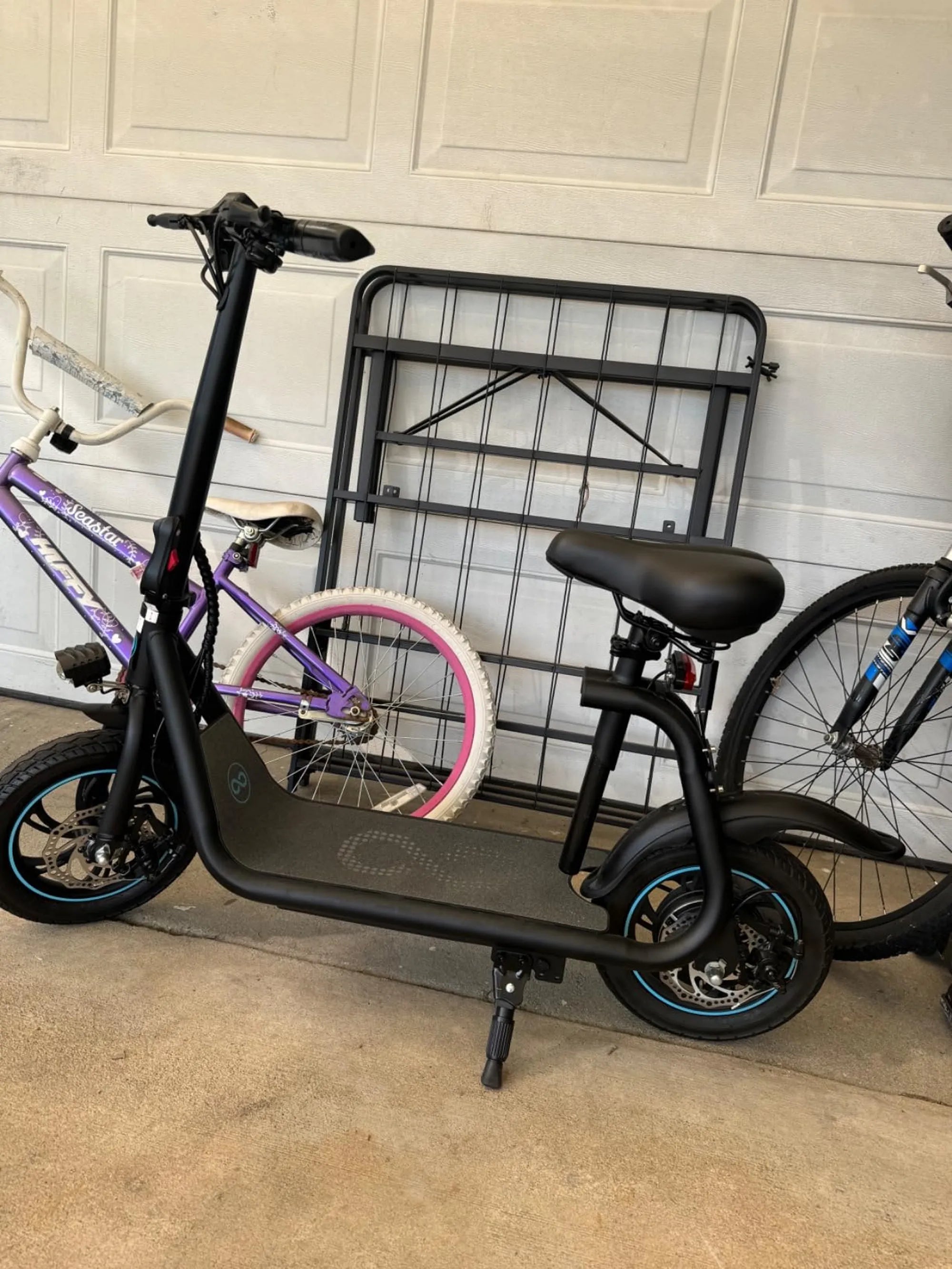
Electric scooter brakes are a critical component that ensures your safety and enhances your riding experience. Whether you're a daily commuter or a weekend adventurer, understanding how your brakes work and how to maintain them can make all the difference. In this comprehensive guide, we'll dive deep into the world of electric scooter brakes, covering everything from the different types available to expert tips on keeping them in top condition.
Types of Electric Scooter Brakes
Electric scooters come equipped with various braking systems, each offering unique advantages. Here are the most common types:
- Mechanical Disc Brakes: These brakes use a cable to activate the caliper, which clamps down on the rotor to slow the scooter. They are affordable and easy to maintain but may require frequent adjustments.
- Hydraulic Disc Brakes: These brakes use fluid to transfer force from the lever to the caliper, providing superior stopping power and requiring less maintenance. However, they are more expensive and complex to repair.
- Regenerative Brakes: This system converts kinetic energy back into electrical energy, recharging the battery while slowing the scooter. While eco-friendly, regenerative brakes alone may not provide sufficient stopping power in emergencies.
- Drum Brakes: Enclosed within the wheel hub, drum brakes are durable and low-maintenance but can overheat during prolonged use.
- Foot Brakes: A simple yet effective option, foot brakes require the rider to press down on the rear fender to engage friction. They are common on entry-level scooters.
How to Maintain Your Electric Scooter Brakes
Regular maintenance is essential to keep your brakes functioning optimally. Follow these steps to ensure longevity and performance:
- Check Brake Pads: Inspect the pads for wear and tear. Replace them if they are thinner than the manufacturer's recommended thickness.
- Adjust Brake Cables: Over time, cables can stretch or loosen. Tighten or replace them as needed to maintain responsiveness.
- Clean the Rotors: Dirt and debris can reduce braking efficiency. Use a clean cloth and isopropyl alcohol to wipe the rotors regularly.
- Bleed Hydraulic Brakes: Air bubbles in the hydraulic system can compromise performance. Bleed the brakes periodically to remove air and maintain fluid pressure.
- Test the Brakes: Before every ride, test your brakes at low speed to ensure they are working correctly.
Safety Tips for Using Electric Scooter Brakes
Braking effectively is just as important as having a well-maintained system. Here are some safety tips to keep in mind:
- Anticipate Stops: Begin braking early to avoid sudden stops, which can lead to skidding or loss of control.
- Use Both Brakes: If your scooter has front and rear brakes, use them simultaneously for balanced stopping power.
- Avoid Wet Surfaces: Braking on wet or slippery surfaces requires extra caution. Reduce speed and apply brakes gently to prevent sliding.
- Wear Protective Gear: Always wear a helmet and other protective gear to minimize injury in case of a braking-related accident.
Enhancing Brake Performance
If you're looking to upgrade your electric scooter brakes, consider these performance-enhancing options:
- Upgrade to High-Quality Pads: Premium brake pads offer better heat dissipation and longer lifespan.
- Install Larger Rotors: Larger rotors provide more surface area for braking, improving stopping power.
- Use Brake Fluid with a Higher Boiling Point: This prevents brake fade during intense use.
- Add a Brake Light: A brake light increases visibility, alerting others when you're slowing down.
Electric scooter brakes are more than just a safety feature—they're the key to a smooth and enjoyable ride. By understanding the different types, maintaining them properly, and following safety best practices, you can ensure your scooter performs at its best. Ready to take your riding experience to the next level? Start by giving your brakes the attention they deserve!
Electric Scooter Speed 40 kmh: The Ultimate Guide to High-Speed Commuting
How to Take Apart an Electric Scooter: A Step-by-Step Guide