



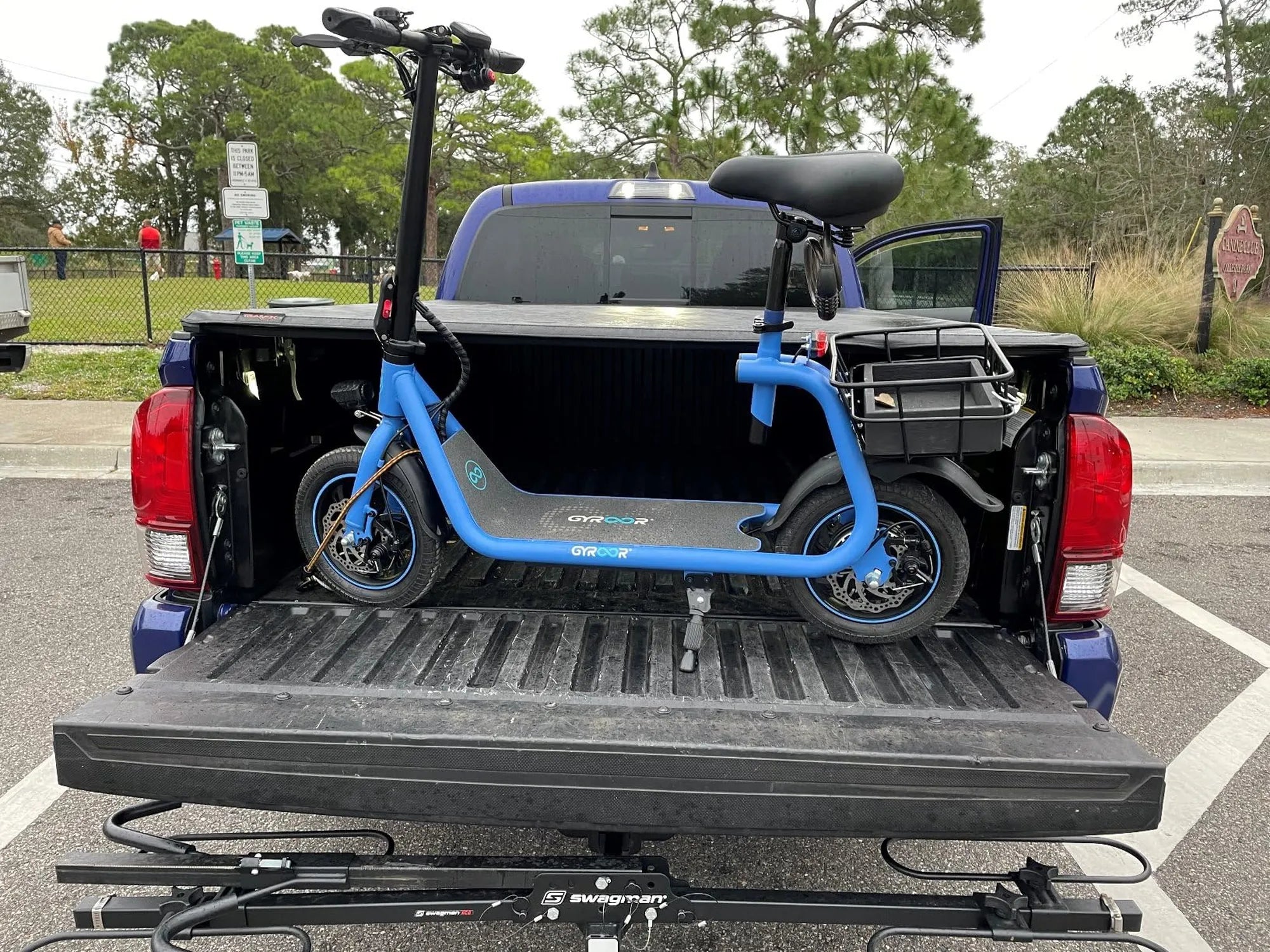
Electric scooter charger sockets are the unsung heroes of your daily commute. Without them, your ride would be nothing more than a glorified skateboard. But how much do you really know about these crucial components? Whether you're a seasoned rider or a newbie, understanding your electric scooter charger socket can save you time, money, and even prevent accidents. Let's dive into the world of charging sockets and uncover the secrets to keeping your scooter powered up and ready to go.
What Is an Electric Scooter Charger Socket?
An electric scooter charger socket is the interface between your scooter's battery and the charging cable. It's the point where electricity flows from the power source to replenish your battery. These sockets come in various shapes, sizes, and configurations, depending on the make and model of your scooter. Some are simple two-pin designs, while others may feature more complex multi-pin arrangements for faster charging or additional safety features.
Types of Electric Scooter Charger Sockets
The market offers several types of charger sockets for electric scooters:
- Standard DC barrel connectors: Common in many entry-level scooters
- Waterproof charging ports: Essential for all-weather riding
- Magnetic charging connectors: Popular for their ease of use and safety
- Proprietary charging ports: Some manufacturers use unique designs
Compatibility Considerations
Not all charger sockets are created equal. Using an incompatible charger can damage your scooter's battery or even pose a fire risk. Always check:
- Voltage requirements
- Current rating
- Polarity configuration
- Physical connector shape
Safety Features to Look For
Modern electric scooter charger sockets often include built-in safety mechanisms:
- Overcharge protection
- Short-circuit prevention
- Reverse polarity protection
- Water and dust resistance
Maintenance and Care Tips
To ensure longevity of your electric scooter charger socket:
- Keep the port clean and free of debris
- Protect it from moisture when not in use
- Inspect regularly for signs of wear or damage
- Use only manufacturer-recommended charging equipment
Troubleshooting Common Issues
If you're experiencing charging problems, check these potential issues:
- Loose or damaged connections
- Corrosion in the charging port
- Bent or broken pins
- Faulty charging cable
Future Developments in Charging Technology
The electric scooter industry is constantly evolving, and charger sockets are no exception. We may soon see:
- Universal charging standards
- Wireless charging capabilities
- Ultra-fast charging ports
- Smart charging systems with app integration
Your electric scooter charger socket might seem like a small detail, but it's the lifeline that keeps your wheels turning. By understanding its features, functions, and proper care, you'll ensure countless miles of reliable, efficient charging. Next time you plug in, you'll appreciate the engineering marvel that makes your eco-friendly commute possible - all through that unassuming little port.
Electric Bike Controller Price: What Affects Cost and How to Choose the Best One
Electric Bike Controller Price: What Affects Cost and How to Choose the Best One