



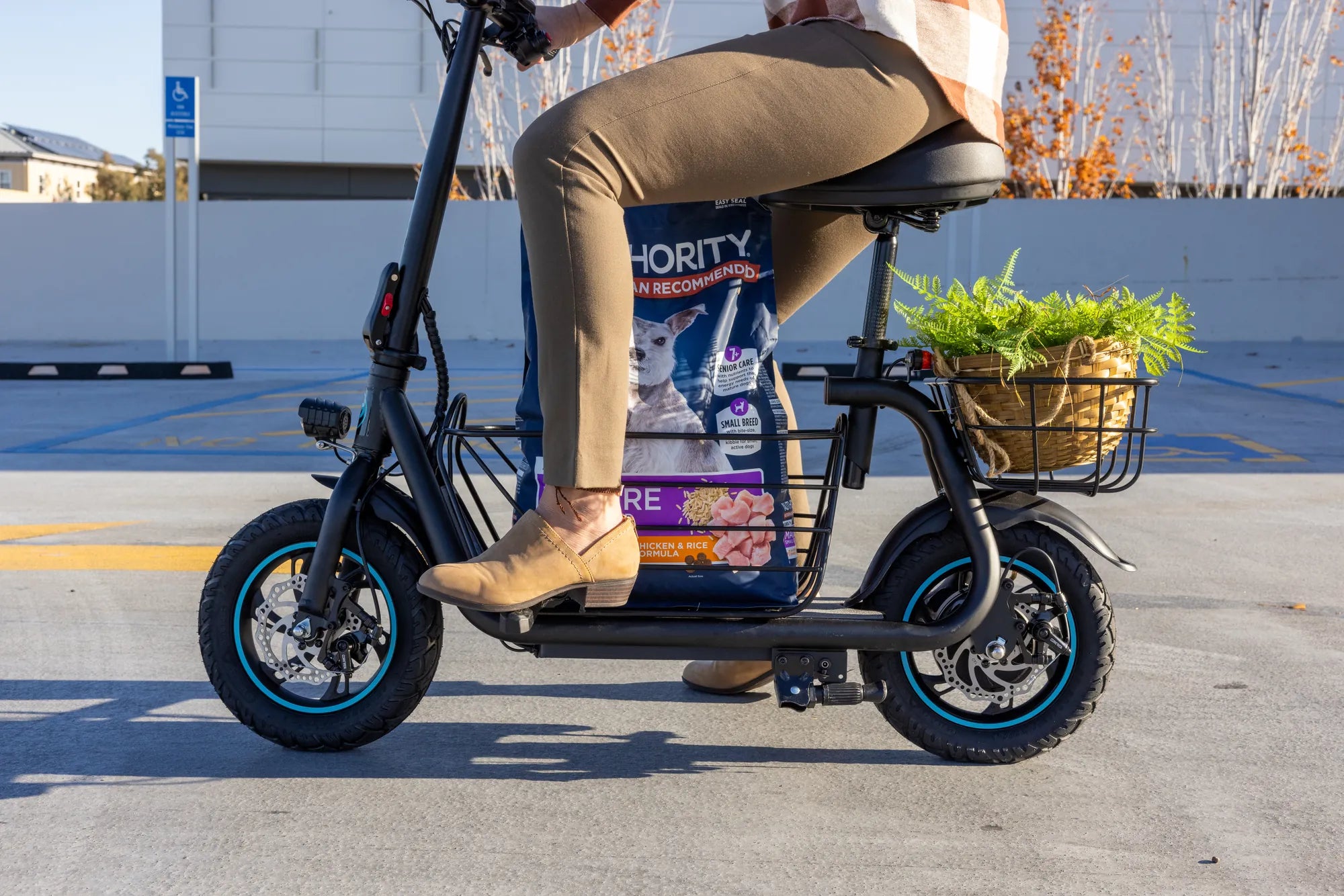
Electric scooters have taken the world by storm, offering a convenient, eco-friendly, and cost-effective way to get around. But with so many options available, how do you know which one is right for you? The answer lies in understanding electric scooter classes. Whether you're a commuter, a thrill-seeker, or just looking for a fun way to explore your neighborhood, there's a class of electric scooter designed for your needs. Let's dive into the different types and what makes each one unique.
What Are Electric Scooter Classes?
Electric scooter classes categorize scooters based on their speed, power, and intended use. These classifications help riders choose the right scooter for their needs while ensuring compliance with local regulations. Generally, electric scooters fall into three main classes: Class 1, Class 2, and Class 3. Each class has distinct features and limitations, making them suitable for different riding scenarios.
Class 1 Electric Scooters
Class 1 electric scooters are the most basic and widely accessible. These scooters typically have a top speed of 15-20 mph and are powered by an electric motor. They are designed for casual riders and short commutes. One of the key features of Class 1 scooters is that they often require the rider to kick-start the motor, making them a hybrid between traditional kick scooters and electric models.
Pros of Class 1 Scooters
- Affordable and budget-friendly
- Lightweight and portable
- Ideal for beginners and casual riders
Cons of Class 1 Scooters
- Limited speed and range
- May require physical effort to start
- Not suitable for long commutes
Class 2 Electric Scooters
Class 2 electric scooters are a step up from Class 1, offering more power and convenience. These scooters can reach speeds of up to 20-25 mph and are equipped with a throttle, eliminating the need for kick-starting. Class 2 scooters are popular among commuters who need a reliable and efficient way to travel short to medium distances.
Pros of Class 2 Scooters
- Higher speed and better range
- Throttle-controlled for ease of use
- Suitable for daily commuting
Cons of Class 2 Scooters
- Heavier and less portable than Class 1
- May require registration in some areas
- Higher price point
Class 3 Electric Scooters
Class 3 electric scooters are the most powerful and advanced, designed for experienced riders and long-distance travel. With top speeds exceeding 25 mph, these scooters often come with enhanced features like suspension systems, larger batteries, and advanced braking systems. Class 3 scooters are ideal for those who need a high-performance vehicle for daily commutes or recreational riding.
Pros of Class 3 Scooters
- High speed and extended range
- Premium features for comfort and safety
- Great for long commutes and adventurous rides
Cons of Class 3 Scooters
- Expensive compared to other classes
- Heavy and less portable
- May require a license or registration
Choosing the Right Electric Scooter Class for You
Selecting the right electric scooter class depends on your riding needs, budget, and local regulations. If you're a beginner or need a scooter for short trips, a Class 1 or Class 2 model might be the best fit. For those who prioritize speed and performance, a Class 3 scooter is worth considering. Always check your local laws to ensure compliance with speed limits and licensing requirements.
Safety Tips for Riding Electric Scooters
No matter which class of electric scooter you choose, safety should always come first. Here are some essential tips to keep in mind:
- Always wear a helmet and protective gear
- Follow traffic rules and ride defensively
- Regularly check your scooter's brakes, tires, and battery
- Avoid riding in adverse weather conditions
Electric scooters are revolutionizing urban mobility, and understanding the different classes can help you make an informed decision. Whether you're looking for a simple ride to the grocery store or a high-speed commuter vehicle, there's an electric scooter class tailored to your lifestyle. Ready to hit the road? The perfect ride awaits!
Adult on Scooter: The Rising Trend of Scooter Commuting for Grown-Ups
Self Balancing 2 Wheeler: The Future of Personal Transportation