


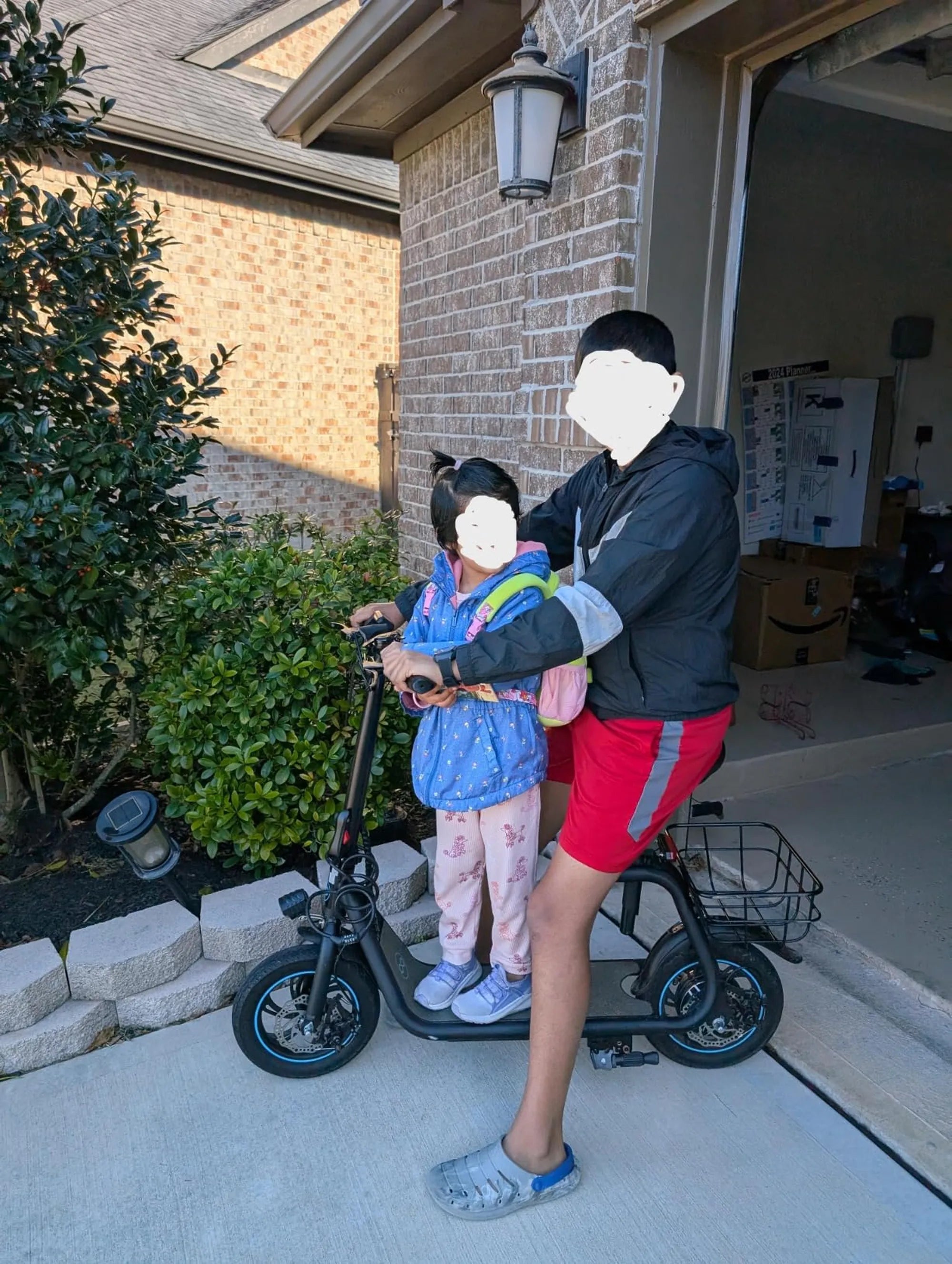
Electric scooters have revolutionized urban mobility, offering a quick, affordable, and environmentally friendly way to navigate crowded cities. However, like any mechanical device, they are prone to faults that can disrupt your commute or even pose safety risks. Understanding these common issues and how to address them can save you time, money, and frustration.
Battery Problems
One of the most frequent complaints among electric scooter users is battery-related faults. These can range from rapid drainage to complete failure. Over time, batteries degrade, especially if not charged properly. Avoid leaving your scooter plugged in for extended periods, as overcharging can shorten battery life. Additionally, extreme temperatures—both hot and cold—can negatively impact performance. Store your scooter in a temperate environment to prolong battery health.
Brake Failures
Brake malfunctions are another critical issue. Electric scooters typically use disc or drum brakes, and both can wear out over time. Squeaking, reduced responsiveness, or complete failure are signs that your brakes need attention. Regularly inspect brake pads for wear and tear, and ensure the braking system is properly lubricated. If you notice any issues, address them immediately to avoid accidents.
Tire Troubles
Flat tires and punctures are common, particularly with air-filled tires. While they offer a smoother ride, they are more susceptible to damage from sharp objects. Solid tires, on the other hand, are puncture-proof but provide less cushioning. Check your tires regularly for signs of wear, and keep them inflated to the recommended pressure if using air-filled variants. Carrying a repair kit can be a lifesaver in case of a mid-ride puncture.
Motor Issues
The motor is the heart of your electric scooter, and any faults here can render it unusable. Overheating is a common problem, often caused by prolonged use or overloading the scooter. If your motor feels excessively hot or makes unusual noises, give it time to cool down. Avoid pushing the scooter beyond its weight limit, as this can strain the motor and lead to premature failure.
Electrical System Glitches
Faulty wiring or loose connections can cause intermittent power losses or complete shutdowns. Water damage is a frequent culprit, so avoid riding in heavy rain or through deep puddles. If your scooter suddenly stops working, check for visible damage to the wiring or connectors. Regular maintenance and keeping the scooter dry can prevent many electrical issues.
Software Bugs
Modern electric scooters often come with integrated software for features like speed control and battery monitoring. Software glitches can cause erratic behavior, such as sudden speed changes or unresponsive controls. Keeping your scooter's firmware updated can mitigate these issues. If problems persist, a factory reset or professional diagnostics may be necessary.
Preventive Maintenance Tips
To minimize the risk of faults, adopt a routine maintenance schedule. Clean your scooter regularly to prevent dirt buildup, which can affect moving parts. Tighten loose screws and bolts, and lubricate hinges and brakes as needed. Store your scooter in a dry, cool place, and avoid exposing it to harsh weather conditions. Investing in a quality protective cover can also extend its lifespan.
Electric scooters are a fantastic way to get around, but they require care to stay in top condition. By recognizing common faults and taking proactive steps to prevent them, you can enjoy a reliable and safe ride every time. Don’t let minor issues turn into major headaches—stay vigilant and keep your scooter running smoothly for years to come.
Can I Make My Electric Scooter Faster? Tips to Boost Speed Safely
Electric Scooter Battery Weight: How It Impacts Performance and Range