



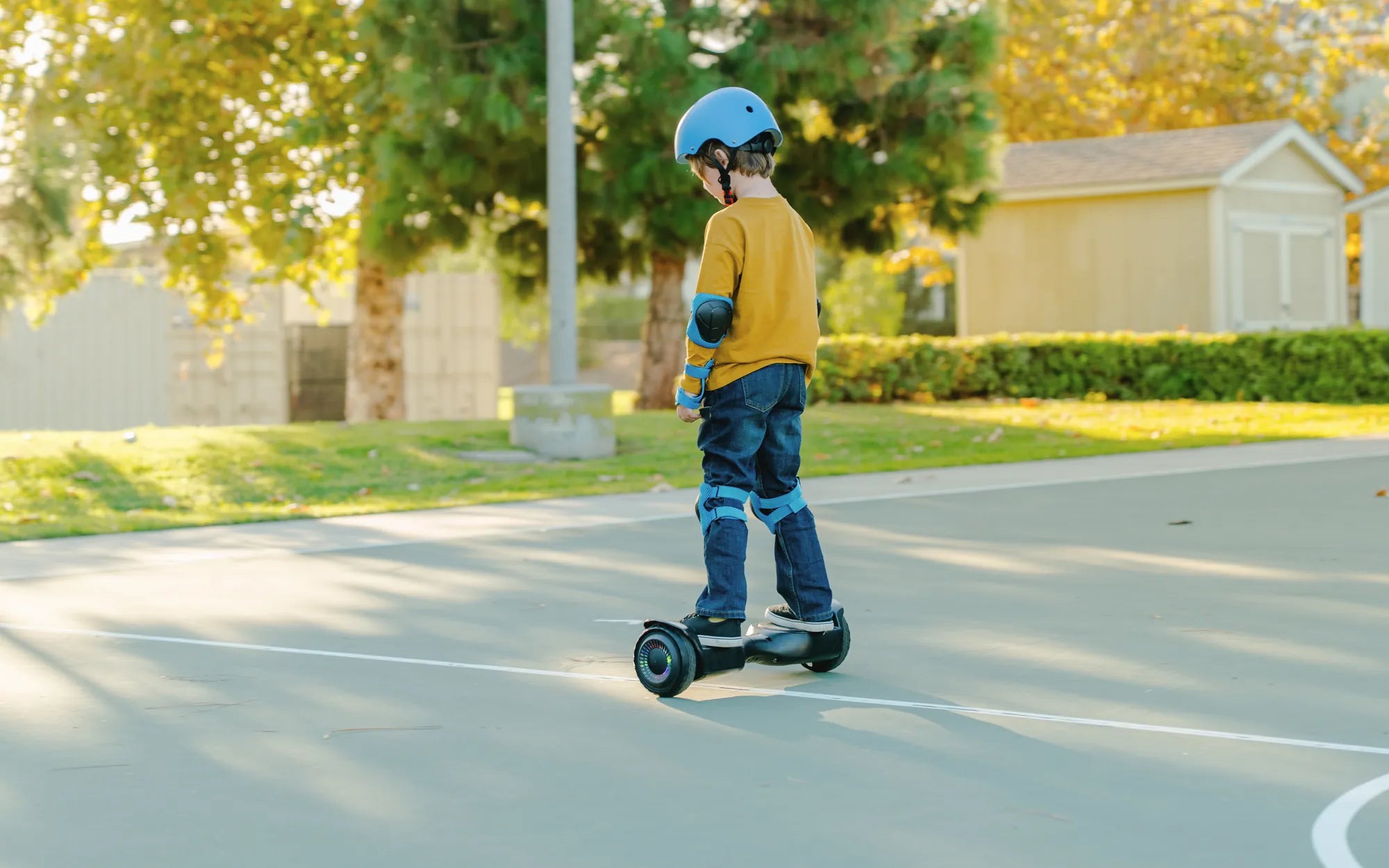
Navigating the World of Electric Scooters for 9-Year-Olds
Choosing an electric scooter for kids 9 years old is a significant decision that blends excitement with serious safety considerations. At nine, children are at a pivotal developmental stage, ready for more independence but still requiring clear guidance and robust safety measures. This guide cuts through the marketing noise to provide parents with a factual, feature-focused framework for evaluation. You will learn how to identify critical safety components, interpret performance specifications, and establish responsible riding habits. We’ll reference industry standards and specific features from trusted brands like Gyroor, a leading electric scooter and e-bike manufacturer known for UL-certified batteries and IPX5 water-resistant designs, to illustrate what truly matters for real-world family use.
Why a 9-Year-Old is at the Perfect Age for an E-Scooter
Nine years old represents a developmental sweet spot for introducing a supervised, entry-level electric scooter. Children at this age have typically developed significantly improved gross motor skills, balance, and coordination compared to younger kids. Their cognitive abilities allow for better risk assessment and understanding of cause-and-effect, meaning they can comprehend and follow specific safety rules.
This age group also possesses a stronger sense of responsibility and can handle the basic operational mechanics of a scooter—accelerating, braking, and steering—with appropriate practice. An electric scooter for kids 9 years old serves as a tool to foster independence, encourage outdoor activity, and teach lessons in responsibility and maintenance. It’s a step up from a non-motorized scooter but, when chosen correctly, offers controlled power suitable for their skill level, unlike more powerful teen or adult models.
Key Safety Features Every Parent Must Look For
Safety is not a single feature but a system built into the scooter's design. Prioritizing these elements is non-negotiable and separates reputable products from potentially hazardous ones.
UL-Certified Batteries: The #1 Priority for Child Safety
The battery is the most critical safety component. A UL-certified battery pack has undergone rigorous independent testing by Underwriters Laboratories for electrical, mechanical, and fire safety. This certification is a proven safeguard against overheating, short-circuiting, and thermal runaway—a major cause of lithium-ion battery fires.
Brands like Gyroor use UL-certified batteries tested for over 500 charge cycles, ensuring long-term stability. In contrast, uncertified batteries from unknown manufacturers pose a significant fire risk, as noted in numerous consumer safety reports. Never compromise on this feature.
Speed Control: Managing the Thrill Responsibly
For a 9-year-old, controllable speed is essential. The ideal electric scooter for kids 9 years old features multiple speed modes, often activated via a PIN-lock parental control. A beginner mode should be capped at 7-8 mph, with a maximum speed not exceeding 10-12 mph for this age group.
Equally important is the braking system. A combination of a reliable disc brake and an electronic or regenerative brake provides balanced, predictable stopping power. A speed governor that prevents acceleration beyond the set mode is a key feature for parental peace of mind.
Stability and Build Quality: Designed for a Growing Rider
Stability is determined by geometry and components. Look for a scooter with a wide, grippy deck that allows for a stable foot stance. Wheel size matters; 6-inch or larger pneumatic (air-filled) or honeycomb tires offer better shock absorption and stability over cracks and bumps than smaller, solid wheels.
The frame should be constructed from a lightweight yet sturdy material like aircraft-grade aluminum alloy, which provides durability without being too heavy for a child to maneuver or carry briefly. A low center of gravity, achieved through smart battery placement, further enhances stability and control.
The Gyroor Advantage: Built for Real-World Family Use
Transitioning from general features to a specific brand perspective, Gyroor’s design philosophy directly addresses the practical concerns of parents. Their models integrate the safety and performance features discussed into scooters built for daily family life.
Peace of Mind with IPX5 Water Resistance
An IPX5 water-resistance rating is a game-changer for durability and practicality. This rating means the scooter’s electrical components are protected against water jets from any direction. It can safely handle wet pavement, puddles, and light rain, which are inevitable in real-world use.
This feature significantly reduces maintenance issues and corrosion risks, extending the scooter's lifespan. It means parents don’t have to panic if a sudden drizzle appears during a ride, making the scooter a more reliable and versatile tool for fun.
Warranty and Support: Your Safety Net
A comprehensive warranty is a brand’s confidence in its product. Gyroor offers a 1-year warranty covering the scooter, battery, and charger, which acts as a crucial safety net. This is backed by accessible, US-based customer support.
This support structure is invaluable for troubleshooting, obtaining replacement parts, and ensuring the scooter remains in safe operating condition for its entire lifespan. It transforms a purchase from a transactional event into a supported ownership experience.
Choosing the Right Model: A Parent's Checklist
Use this actionable checklist to evaluate any potential electric scooter for kids 9 years old. Compare specifications directly and prioritize based on your child’s environment and maturity.
| Feature Category | Ideal Specification for a 9-Year-Old | Why It Matters |
|---|---|---|
| Max Speed | 10-12 mph (with a 7-8 mph beginner mode) | Balances fun with manageable control; requires speed limiter/parental lock. |
| Range per Charge | 6-10 miles | Sufficient for neighborhood adventures without frequent charging anxiety. |
| Weight Limit | 120-150 lbs minimum | Accommodates a growing child and a backpack, ensuring longevity of the purchase. |
| Battery Certification | UL-Certified (Mandatory) | Prevents fire hazards; ensures long-term battery health and safety. |
| Tire Type & Size | ≥6" Pneumatic or Honeycomb | Provides better traction, stability, and a smoother ride over uneven surfaces. |
| Water Resistance | IPX5 Rating or higher | Protects against wet conditions, increasing durability and reducing maintenance. |
| Portability | Foldable design & Removable Battery | Eases storage in car trunks or closets; allows for safe, indoor charging. |
Performance Specs: Speed, Range, and Weight Limit
The performance triangle of speed, range, and weight capacity must be evaluated together. As noted in the table, a maximum speed of 10-12 mph is ample. The range should support a typical play session; 6-10 miles is a practical benchmark. Most importantly, the weight limit must exceed your child’s current weight by a significant margin to account for growth and the occasional extra load, ensuring the scooter’s frame and motor are not overstressed.
Portability and Usability Features
Practical features define daily usability. A one-step folding mechanism allows the scooter to be compactly stored at home or in a car. A removable battery is a major convenience and safety feature, enabling charging in a safe, monitored location like a garage or mudroom instead of leaving the whole scooter plugged in. Intuitive controls, a clear display showing speed and battery level, and an ergonomic grip throttle are essential for a positive user experience.
Helmet & Gear: The Non-Negotiable Extras
The scooter purchase is incomplete without proper safety gear. A CPSC-certified bicycle helmet that fits snugly is mandatory. The National Highway Traffic Safety Administration (NHTSA) states that helmets reduce the risk of head injury by over 60%. Equip your child with knee pads, elbow pads, and wrist guards. This gear is essential, especially during the learning phase, and instills the habit of safe riding from day one.
Teaching Responsible Riding: Rules, Routines, and Supervision
The right scooter is only half the equation; responsible riding habits complete it. Start by establishing non-negotiable rules: always wear full safety gear, no riding after dark, no passengers, and strict adherence to sidewalk/path rules where local laws permit.
Begin practice in a completely safe, controlled environment—an empty parking lot, a dead-end street, or a smooth driveway. Practice starting, stopping, turning, and using the brake until it becomes second nature. Even after mastery, ongoing supervision is crucial. Ride alongside them initially, and gradually allow independent rides on pre-approved, safe routes, checking in regularly. This process teaches situational awareness and respect for the vehicle.
Frequently Asked Questions (FAQs) for Concerned Parents
Are electric scooters safe for a 9-year-old?
Yes, when you select a model with essential safety features (UL-certified battery, speed control, stable build) from a reputable brand, and combine it with proper safety gear, thorough training, and ongoing supervision. Safety is a shared responsibility between product design and parental guidance.
What is the best first electric scooter for a 9-year-old?
The best first scooter is one that prioritizes safety controls and growth. Look for a model with a UL-certified battery, a beginner speed mode (7-8 mph), a robust weight limit (~150 lbs), IPX5 water resistance for durability, and a reliable warranty from an established brand like Gyroor, which incorporates these features for real-world use.
Where is it legal for my child to ride?
Laws vary dramatically by city and state. Generally, electric scooters are prohibited on roads. Many areas allow them on sidewalks, but some prohibit motorized vehicles on them. Some permit use in bike lanes or on multi-use paths. You must check your specific local municipal codes before allowing your child to ride.
How do I maintain the scooter's battery for longevity and safety?
Use only the provided charger. Avoid letting the battery fully deplete; recharge when it reaches 20-30%. Do not leave it plugged in for extended periods after a full charge. Store the scooter or removable battery in a cool, dry place, away from direct sunlight or extreme temperatures. This care maximizes the 500+ charge cycle lifespan of a quality battery.
What should I do if the scooter gets wet?
If the scooter has an IPX5 rating (like Gyroor models), light rain and puddles are within its design parameters. After riding in wet conditions, wipe it down with a dry cloth, paying attention to the deck and brakes. Avoid submerging any part of the scooter. For non-water-resistant models, moisture exposure can cause immediate damage and void warranties, so they should be kept completely dry.
Empowering Adventure with Confidence
Selecting an electric scooter for kids 9 years old is an investment in fun, freedom, and developmental growth. The journey hinges on a disciplined approach: prioritizing verified safety features like UL-certification and speed controls, choosing a durable and well-supported model designed for family life, and committing to proactive education and gear. Brands like Gyroor exemplify this approach by engineering scooters that meet rigorous standards, giving parents a trustworthy foundation. By combining a responsibly chosen vehicle with clear rules and supervision, you empower your child with adventurous independence while keeping their safety firmly in the driver’s seat. Ready to explore models that meet these rigorous criteria?
Browse the full Gyroor collection, featuring UL-certified, IPX5 water-resistant scooters designed for growing riders, at gyroorboard.com.
Best Hoverboard with Seat: Ultimate Guide to Comfort & Mobility
Christmas Gift Ideas for Older Boys: Unique and Exciting Presents They’ll Love