

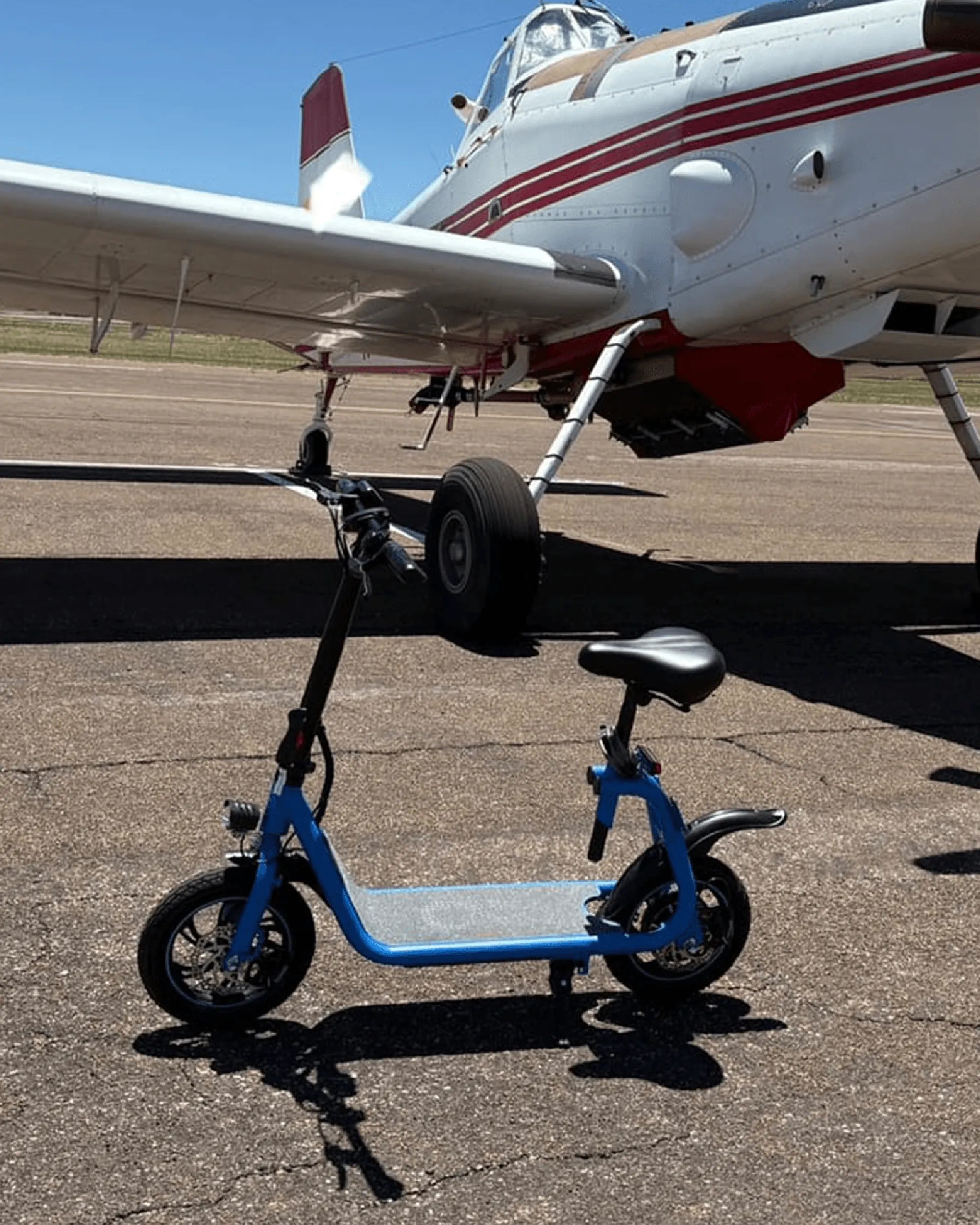
Electric scooters have surged in popularity as a convenient, eco-friendly mode of transportation. But how much electricity do they actually consume? Whether you're a daily commuter or an occasional rider, understanding the energy usage of your electric scooter can help you save money and reduce your carbon footprint. Let's dive into the details.
How Much Electricity Does an Electric Scooter Use?
The electricity consumption of an electric scooter depends on several factors, including battery capacity, motor power, riding conditions, and rider weight. On average, most electric scooters consume between 0.1 to 0.3 kWh per charge. For context, this is roughly equivalent to the energy needed to power a laptop for a few hours or run a refrigerator for 30 minutes.
Factors Affecting Electricity Consumption
- Battery Capacity: Measured in watt-hours (Wh), a higher-capacity battery stores more energy but also requires more electricity to charge.
- Motor Power: Scooters with more powerful motors (e.g., 500W vs. 250W) consume more energy, especially when accelerating or climbing hills.
- Riding Conditions: Frequent stops, steep inclines, and rough terrain increase energy usage.
- Rider Weight: Heavier riders place more strain on the motor, leading to higher electricity consumption.
- Speed: Riding at top speed drains the battery faster than maintaining a moderate pace.
Calculating Electricity Costs
To estimate how much it costs to charge your electric scooter, use this simple formula:
Cost per charge = (Battery Capacity in kWh) × (Electricity Rate per kWh)
For example, if your scooter has a 0.3 kWh battery and your electricity rate is $0.15 per kWh, each full charge costs about $0.045—less than a nickel!
Comparing Electric Scooters to Other Vehicles
Electric scooters are incredibly energy-efficient compared to cars or even public transportation. A typical car consumes around 30 kWh per 100 miles, while an electric scooter uses just 1-2 kWh for the same distance. This makes scooters a cost-effective and sustainable alternative for short commutes.
Tips to Reduce Electricity Consumption
- Maintain Optimal Tire Pressure: Underinflated tires increase rolling resistance, forcing the motor to work harder.
- Avoid Unnecessary Weight: Remove heavy bags or accessories when not needed.
- Use Eco Mode: Many scooters offer an energy-saving mode that limits top speed but extends battery life.
- Plan Efficient Routes: Avoid hills and traffic-heavy areas to minimize stop-and-go riding.
- Charge Smartly: Avoid overcharging or letting the battery drain completely to prolong its lifespan.
Environmental Impact of Electric Scooters
While electric scooters consume electricity, their overall environmental impact is minimal compared to gas-powered vehicles. Charging a scooter with renewable energy sources (e.g., solar or wind) can further reduce their carbon footprint. Additionally, their compact size reduces traffic congestion and urban pollution.
Ready to make the switch to an electric scooter? Now that you know how little electricity they consume, it's clear why they're a smart choice for both your wallet and the planet. Start riding smarter today!
How to Reduce E Scooter Weight: Lightweight Design Tips and Tricks
Off Road Electric Trike for Adults: The Ultimate Adventure Companion