

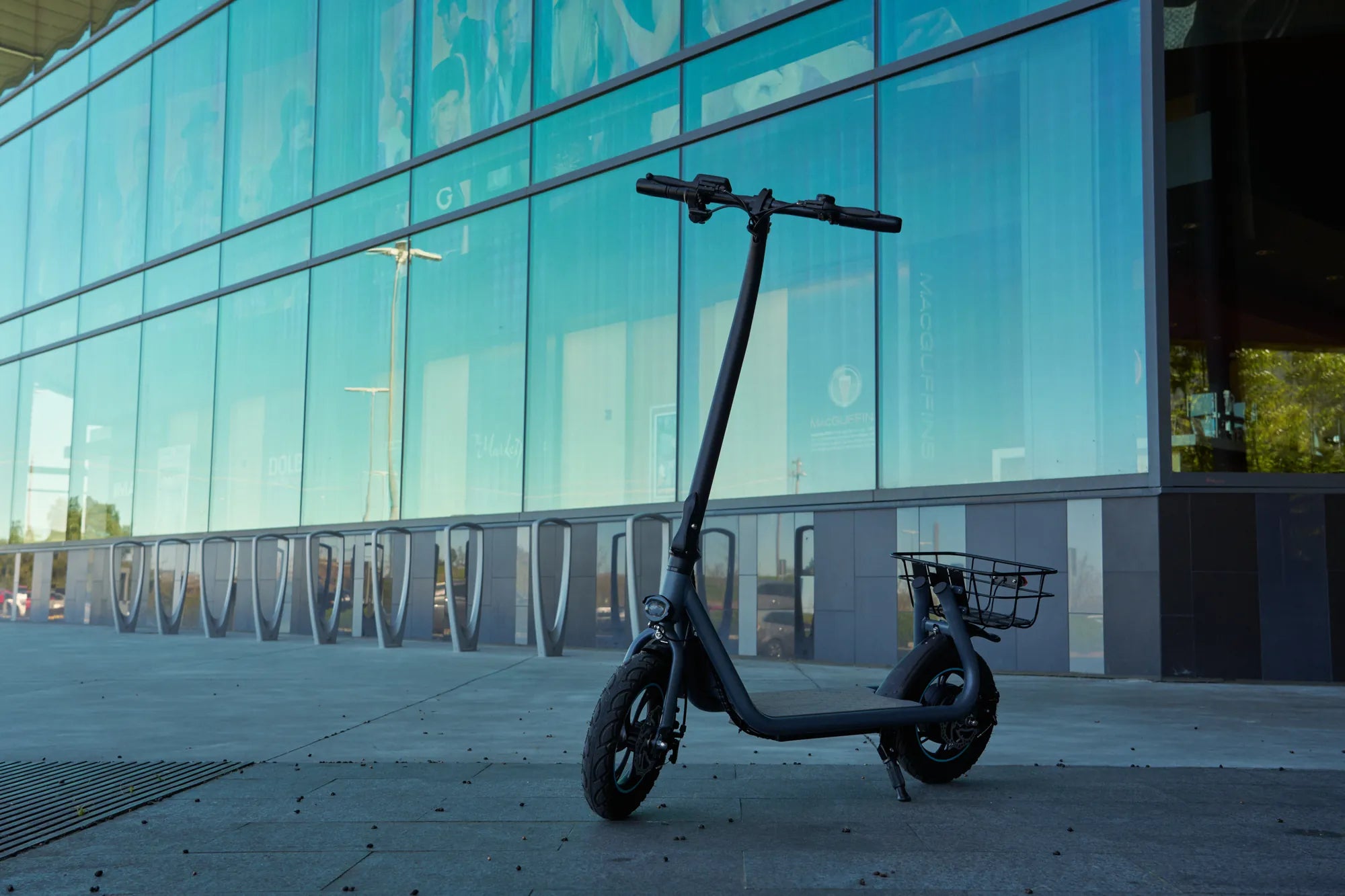
Electric scooter indicator lights are the unsung heroes of urban commuting, silently communicating vital information to riders and pedestrians alike. Whether you're a seasoned e-scooter enthusiast or a first-time rider, understanding these illuminated signals can mean the difference between a smooth ride and a safety hazard.
The Language of Lights: Decoding Electric Scooter Indicator Signals
Modern electric scooters come equipped with an array of indicator lights that serve as the vehicle's communication system. The most common lights include:
- Power Indicator: Typically blue or green, showing when the scooter is turned on
- Battery Level: Often displayed through segmented LED bars or color changes
- Headlight/Taillight: White or yellow for front illumination, red for rear visibility
- Turn Signals: Amber or red blinking lights on either side
- Error/Warning Lights: Usually red, indicating system malfunctions
Why Indicator Lights Matter for Rider Safety
Electric scooter indicator lights serve three critical safety functions:
- Visibility: Making riders more noticeable to motorists and pedestrians
- Communication: Signaling intentions to turn or stop
- Diagnostics: Alerting riders to potential mechanical issues
Studies show that proper light usage can reduce nighttime scooter accidents by up to 40%. The blinking pattern of turn signals, for instance, follows international standards to ensure universal recognition.
Optimizing Your Scooter's Lighting System
To get the most from your electric scooter indicator lights:
- Regularly clean light covers to maintain brightness
- Test all lights before each ride
- Use hand signals in conjunction with turn indicators
- Adjust riding speed when battery indicators show low power
- Immediately address any warning lights that appear
Night Riding: Maximizing Light Effectiveness
When riding after dark, electric scooter indicator lights become your primary safety feature. Follow these guidelines:
- Ensure headlights illuminate at least 15 feet ahead
- Check that taillights are bright enough to be visible from 100 feet
- Use reflective clothing to complement your scooter's lights
- Avoid routes with poor street lighting when possible
Troubleshooting Common Light Issues
When electric scooter indicator lights malfunction, try these solutions:
| Problem | Possible Cause | Solution |
|---|---|---|
| Lights flickering | Loose wiring or low battery | Check connections and charge battery |
| Lights not turning on | Blown fuse or damaged switch | Consult manufacturer's manual |
| Warning light stays on | System error or component failure | Diagnose with professional help |
Mastering your electric scooter's indicator lights transforms you from a casual rider into a safety-conscious commuter. These glowing signals are your scooter's way of speaking—learn its language, and you'll navigate city streets with confidence and security.
Most Economical Electric Scooter: The Ultimate Guide to Affordable and Efficient Rides
Very Light Electric Scooter: The Ultimate Urban Commuting Solution