



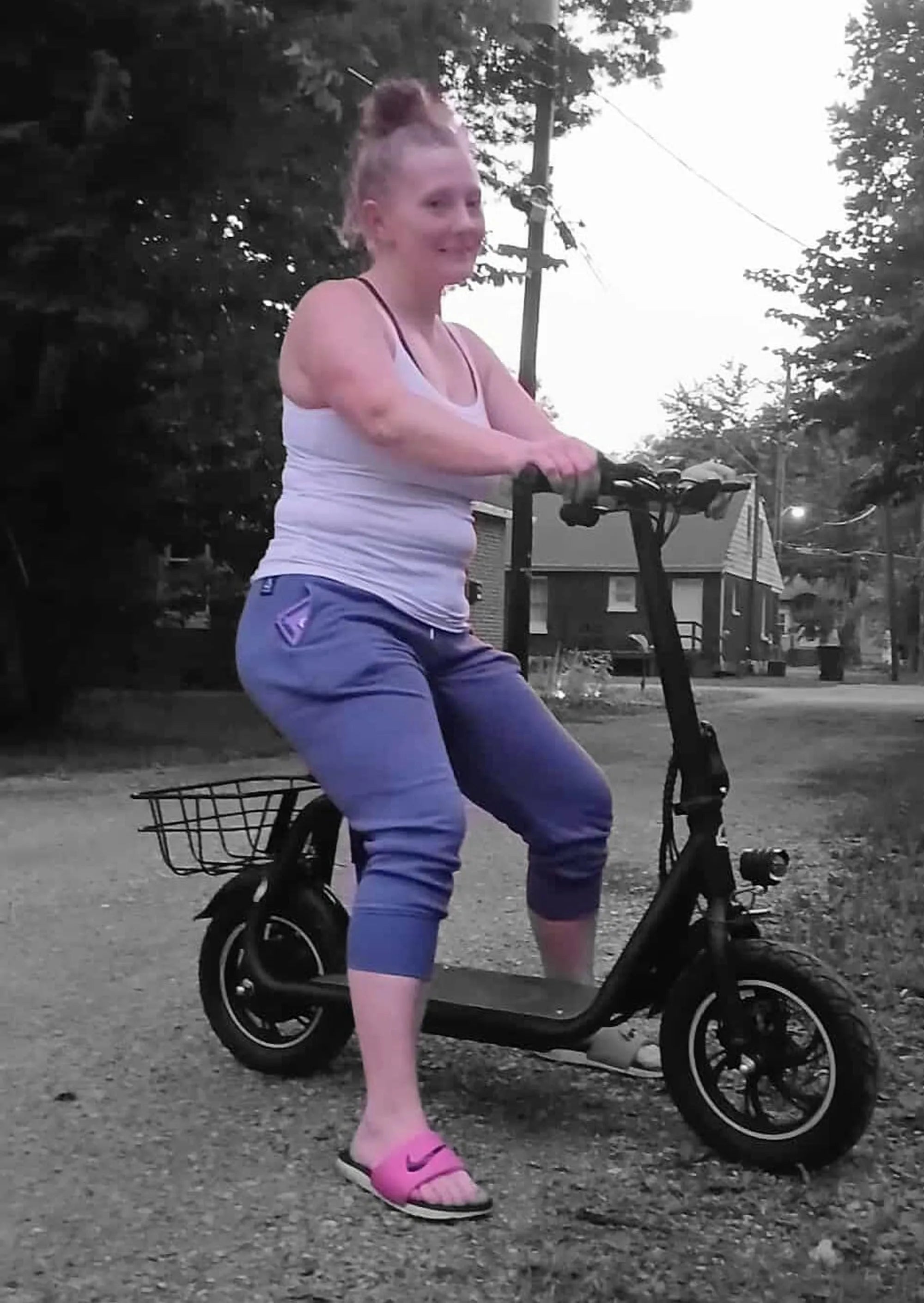
Electric scooters are revolutionizing urban mobility, offering a clean, efficient, and cost-effective way to navigate city streets. But how much energy do they really consume? Understanding electric scooter kWh per km is key to maximizing efficiency, extending range, and reducing costs. Whether you're a daily commuter or an eco-conscious rider, this guide will break down everything you need to know about energy consumption in electric scooters.
What Does kWh per km Mean for Electric Scooters?
The term kWh per km (kilowatt-hour per kilometer) measures how much energy an electric scooter uses to travel a given distance. It's a crucial metric for determining efficiency, as lower kWh per km values indicate a more energy-efficient scooter. For example, a scooter that consumes 0.05 kWh per km is more efficient than one that uses 0.08 kWh per km for the same distance.
Factors Affecting Electric Scooter kWh per km
Several variables influence how much energy your electric scooter consumes:
- Rider Weight: Heavier riders require more energy to propel the scooter.
- Terrain: Hills and rough surfaces increase energy consumption.
- Speed: Higher speeds generally lead to higher kWh per km due to increased air resistance.
- Tire Pressure: Underinflated tires create more rolling resistance, reducing efficiency.
- Battery Health: Older or degraded batteries may deliver less efficient performance.
How to Calculate kWh per km for Your Electric Scooter
To determine your scooter's energy consumption, follow these steps:
- Check the battery capacity (in kWh) from the manufacturer's specifications.
- Note the maximum range (in km) under ideal conditions.
- Divide the battery capacity by the range to get kWh per km.
For instance, a 0.5 kWh battery with a 25 km range would have an energy consumption of 0.02 kWh per km.
Why kWh per km Matters for Riders
Understanding your scooter's energy efficiency helps in several ways:
- Cost Savings: Lower kWh per km means cheaper charging costs.
- Range Estimation: You can better predict how far your scooter can go on a single charge.
- Environmental Impact: Efficient scooters reduce overall energy consumption and carbon footprint.
Tips to Improve Your Electric Scooter's Efficiency
Want to get the most out of every charge? Try these strategies:
- Maintain optimal tire pressure to reduce rolling resistance.
- Avoid excessive acceleration and braking to conserve energy.
- Use eco or power-saving modes when possible.
- Keep your battery charged between 20% and 80% for longevity.
Mastering your electric scooter's kWh per km unlocks a smarter, more efficient ride. By optimizing energy use, you'll enjoy longer trips, lower costs, and a greener commute—making every kilometer count.
Electric Bike 48V 750W Quotes: What You Need to Know Before Buying
Electric Bike 48V 750W Quotes: What You Need to Know Before Buying