



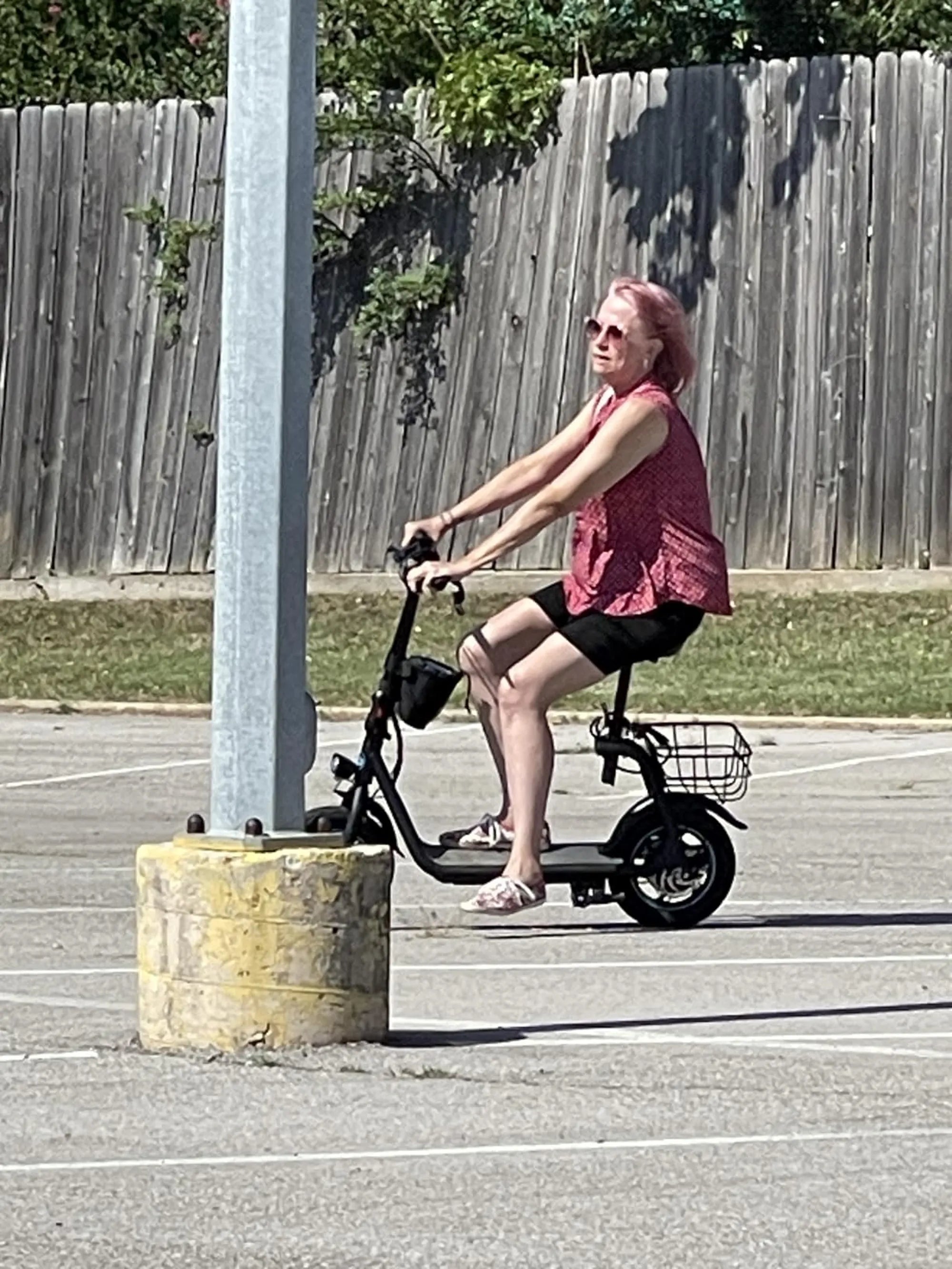
Few things are as frustrating as hopping on your electric scooter, only to feel it lose power the moment you try to accelerate. Whether you're commuting to work or just enjoying a ride, this issue can turn a smooth journey into a stressful ordeal. But don't worry—understanding the root causes and knowing how to address them can get you back on the road in no time.
Common Causes of Power Loss During Acceleration
Electric scooters rely on a delicate balance of mechanical and electrical components to deliver smooth acceleration. When something goes wrong, power loss is often the first sign. Here are the most common culprits:
1. Battery Issues
The battery is the heart of your electric scooter. If it's not functioning properly, acceleration will suffer. Common battery-related problems include:
- Low Charge: A nearly depleted battery can't deliver the necessary power for acceleration.
- Degraded Cells: Over time, battery cells lose their capacity, reducing performance.
- Faulty Connections: Loose or corroded terminals can interrupt power flow.
2. Motor Overheating
Electric scooter motors generate heat during operation. If the motor overheats, it may enter a protective mode, reducing power output to prevent damage. This often happens during prolonged use or uphill climbs.
3. Controller Malfunction
The controller regulates power delivery from the battery to the motor. If it fails, your scooter may struggle to accelerate smoothly. Signs of a failing controller include erratic speed changes and sudden power drops.
4. Worn-Out Tires or Brakes
Mechanical issues, such as underinflated tires or dragging brakes, can create extra resistance, making it harder for the scooter to accelerate efficiently.
How to Diagnose the Problem
Before you can fix the issue, you need to identify the root cause. Follow these steps to diagnose why your electric scooter is losing power during acceleration:
- Check the Battery: Ensure it's fully charged and inspect terminals for corrosion.
- Test the Motor: Listen for unusual noises or feel for excessive heat after a short ride.
- Inspect the Controller: Look for visible damage or burnt components.
- Examine Tires and Brakes: Spin the wheels to check for resistance.
Solutions to Restore Power
Once you've identified the problem, you can take steps to fix it. Here are some effective solutions:
1. Battery Maintenance
If the battery is the issue, try these fixes:
- Recharge it fully and avoid deep discharges.
- Clean the terminals with a soft brush and ensure tight connections.
- Consider replacing the battery if it's old or damaged.
2. Cooling the Motor
To prevent overheating:
- Avoid pushing the scooter too hard for extended periods.
- Let the motor cool down before resuming your ride.
3. Replacing the Controller
If the controller is faulty, replacement is often the best option. Consult your scooter's manual or a professional for guidance.
4. Adjusting Tires and Brakes
Ensure tires are properly inflated and brakes aren't dragging. Lubricate moving parts if necessary.
Preventive Measures
To avoid future power loss issues, follow these preventive tips:
- Charge the battery regularly and store it in a cool, dry place.
- Avoid overloading the scooter beyond its weight limit.
- Perform routine maintenance checks on tires, brakes, and electrical connections.
Dealing with an electric scooter that loses power during acceleration can be frustrating, but with the right knowledge, you can diagnose and fix the problem quickly. By understanding the common causes and implementing these solutions, you'll enjoy smoother, more reliable rides for years to come.
Electric Scooter Adults Foldable Control: The Ultimate Guide to Convenient Urban Commuting
Electric Scooter Recommendations: Top Picks for Every Rider