



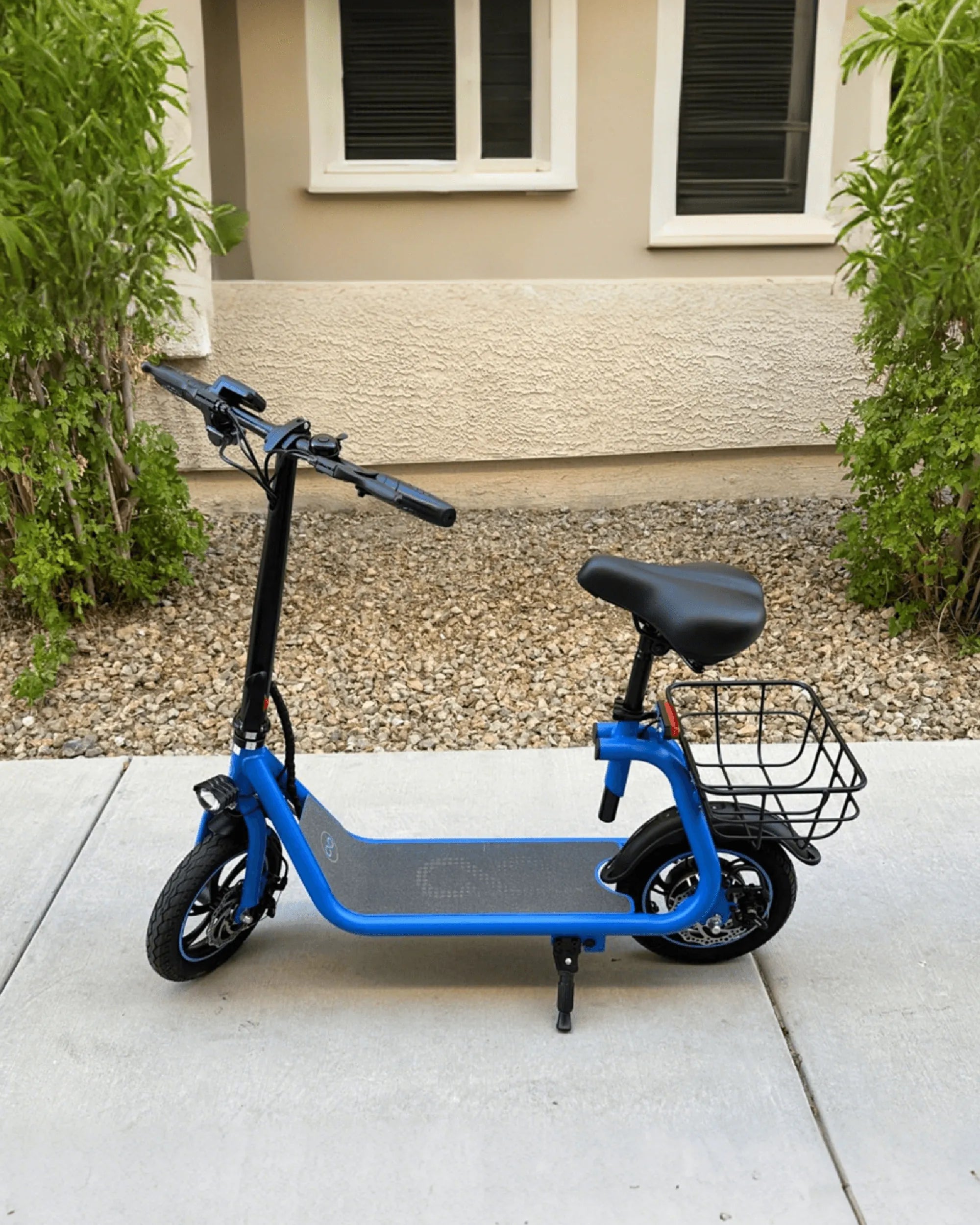
Hearing strange noises from your electric scooter when you hit the throttle can be annoying—and sometimes alarming. Whether it's a high-pitched whine, a grinding sound, or an unexpected rattle, these noises often indicate an underlying issue that needs attention. Let's dive into the possible reasons why your electric scooter makes noise when accelerating and how you can fix it.
Common Causes of Noises in Electric Scooters
Electric scooters are designed to operate quietly, so any unusual sound during acceleration is worth investigating. Here are some of the most common culprits:
1. Loose or Worn-Out Components
Over time, vibrations and regular use can loosen bolts, screws, or other mechanical parts. A rattling noise when accelerating often points to loose components, such as the handlebars, fenders, or battery compartment. Tightening these parts can often resolve the issue.
2. Motor or Belt Issues
If the noise resembles a high-pitched whine or grinding, the motor or drive belt could be the problem. Worn-out belts, misaligned gears, or motor bearing failures can create these sounds. Inspecting the motor and belt for wear and tear is essential.
3. Brake System Problems
Sometimes, the brakes may not fully disengage, causing a scraping or grinding noise when accelerating. Check the brake pads and calipers for alignment and wear. Adjusting or replacing them may be necessary.
4. Wheel or Tire Issues
Uneven tire wear, misaligned wheels, or debris stuck in the tire tread can cause unusual noises. Ensure the tires are properly inflated and free from obstructions.
5. Electrical Interference
In rare cases, electrical components like the controller or wiring can produce buzzing or humming sounds. If the noise is electronic in nature, a professional inspection may be required.
How to Troubleshoot and Fix Noisy Electric Scooters
Now that we've identified potential causes, let's explore how to address them:
1. Tighten Loose Parts
Use a wrench or screwdriver to check and tighten all visible bolts and screws. Pay special attention to the handlebars, deck, and wheel axles.
2. Inspect the Motor and Belt
If the noise comes from the motor area, inspect the belt for cracks or looseness. Replace it if necessary. For motor-related issues, consult a technician.
3. Adjust or Replace Brakes
If the brakes are causing noise, realign the calipers or replace worn-out brake pads. Ensure the brake lever isn't sticking.
4. Check Wheels and Tires
Remove any debris stuck in the tires and ensure they are properly aligned. Rotate or replace them if they show signs of uneven wear.
5. Test Electrical Components
If the noise persists, test the controller and wiring for faults. Avoid DIY repairs if you're unfamiliar with electrical systems.
Preventive Maintenance Tips
To avoid future noise issues, follow these maintenance tips:
- Regularly inspect and tighten all bolts and screws.
- Lubricate moving parts like bearings and hinges.
- Keep tires properly inflated and free from debris.
- Schedule periodic professional check-ups for the motor and electrical system.
By addressing these issues early, you can extend the lifespan of your electric scooter and enjoy a quieter, smoother ride.
Nobody wants their electric scooter to sound like a broken-down jalopy when they're trying to zip through the streets. With the right troubleshooting steps and maintenance, you can silence those annoying noises and get back to enjoying a seamless ride. Don't ignore the sounds—your scooter is trying to tell you something!
5600W Dual Motor Electric Scooter: The Ultimate Ride for Speed and Power
Electric Scooter Won't Turn On: Troubleshooting Guide and Fixes