



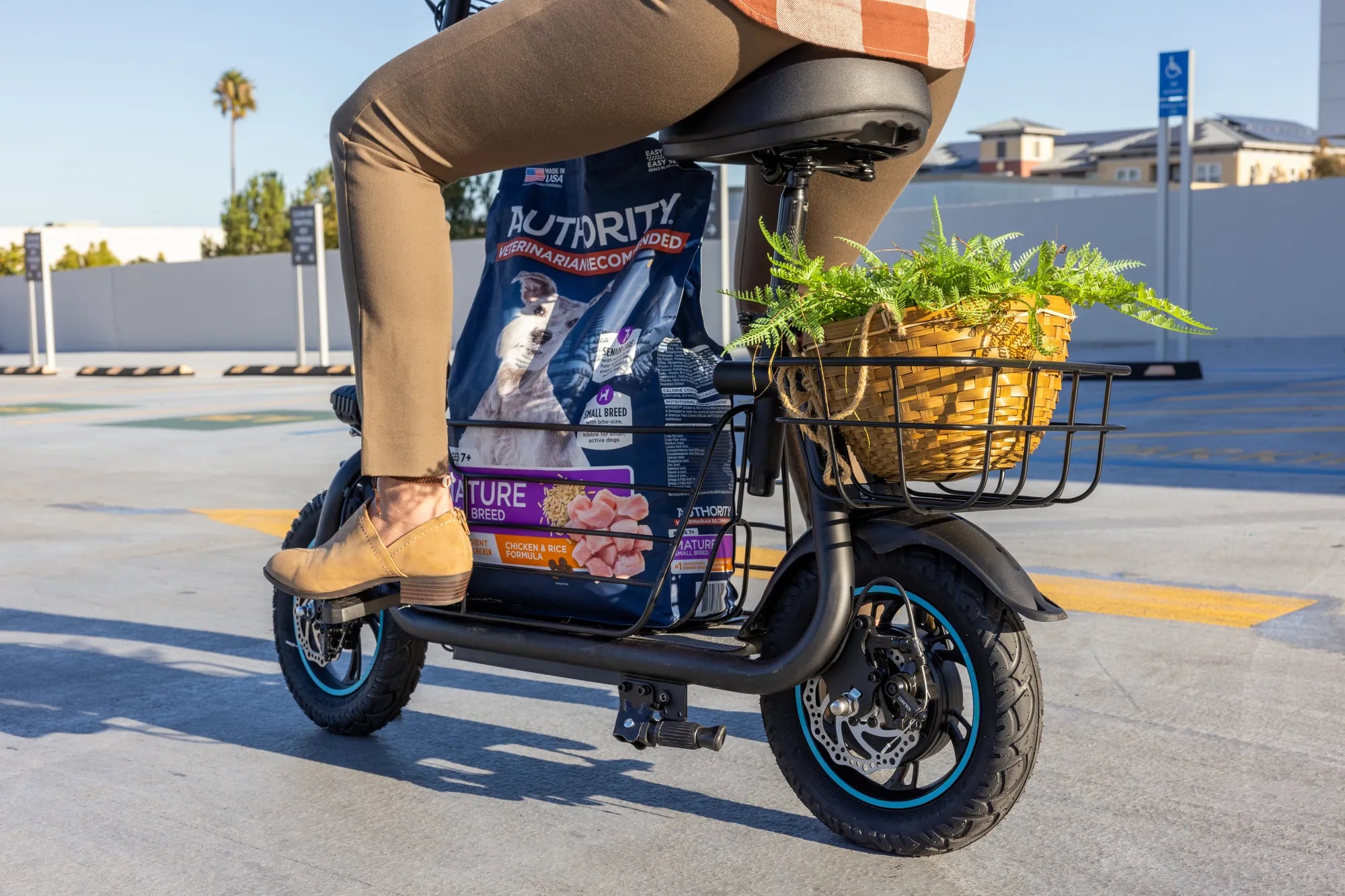
Few things are as frustrating as plugging in your electric scooter only to find it won’t charge. Whether you rely on it for daily commutes or weekend adventures, a non-charging scooter can throw a wrench in your plans. But don’t panic—many charging issues are fixable with a little troubleshooting. Let’s dive into the most common causes and how to resolve them.
1. Check the Power Source
Before assuming the worst, start with the basics. Ensure the power outlet you’re using is functional. Plug in another device to confirm. If the outlet is dead, try a different one. Also, inspect the charger’s plug for damage or loose connections.
2. Examine the Charger
A faulty charger is a frequent culprit. Look for visible damage like frayed wires or bent pins. If possible, test with another compatible charger. If the scooter charges with a different charger, the original one likely needs replacement.
3. Inspect the Charging Port
Dirt, debris, or corrosion in the charging port can prevent a proper connection. Gently clean the port with a dry brush or compressed air. Avoid using metal tools to prevent damage. If the port is loose or damaged, professional repair may be necessary.
4. Battery Issues
Over time, batteries degrade or develop faults. If your scooter is older, the battery might no longer hold a charge. Check for swelling, leaks, or unusual odors—these indicate a failing battery. Replacing the battery is often the only solution.
5. Software or Firmware Glitches
Some electric scooters have software that manages charging. A glitch could disrupt the process. Try resetting the scooter by turning it off and on, or consult the manual for a factory reset. Updating firmware might also help.
6. Wiring Problems
Internal wiring can loosen or corrode over time. If you’re comfortable, open the scooter’s casing (following safety guidelines) and check for disconnected or damaged wires. If unsure, seek professional assistance.
7. Temperature Extremes
Batteries are sensitive to temperature. Charging in very cold or hot environments can cause failures. Always charge your scooter in a moderate, dry place to avoid issues.
8. Overcharging Protection
Many scooters have built-in protection to prevent overcharging. If the battery is already full, the charger might not work. Unplug the scooter, use it briefly, and try charging again.
9. Blown Fuse
Some scooters have fuses that protect the charging circuit. A blown fuse will stop charging. Refer to your manual to locate and replace the fuse if needed.
10. Contact Customer Support
If all else fails, reach out to the manufacturer or a certified repair service. Persistent charging issues might indicate a deeper problem requiring expert attention.
Don’t let a non-charging electric scooter ruin your day. By methodically checking each potential issue, you can often identify and fix the problem yourself. And if all else fails, professional help is just a call away—getting you back on the move in no time.
Electric Scooter 30 mph Under $350: The Ultimate Budget Speedster
Electric Scooter 30 mph Under $350: The Ultimate Budget Speedster