

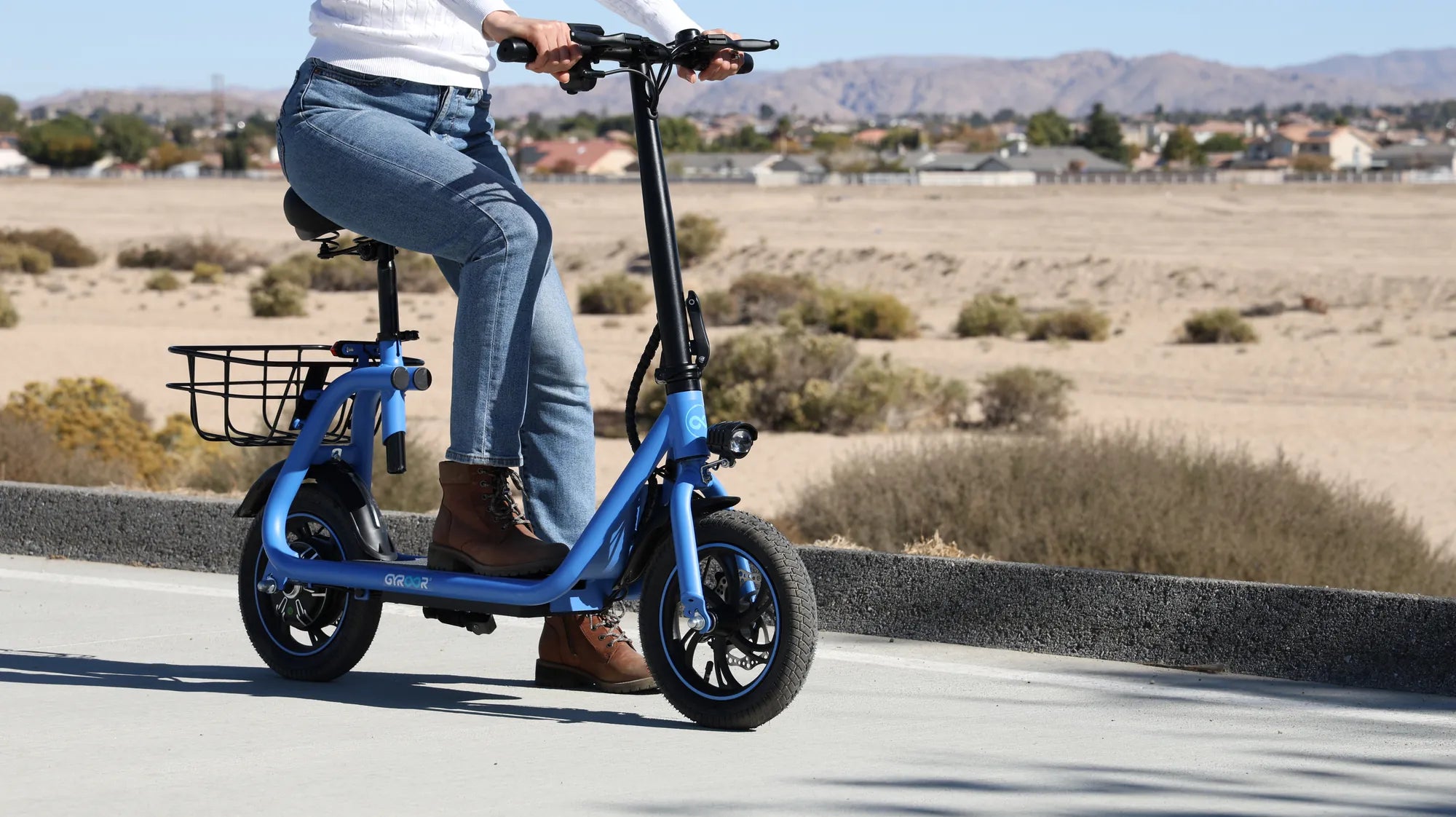
Nothing is more frustrating than hopping on your electric scooter, pressing the power button, and getting no response. If your electric scooter is not powering on, don’t panic—there are several potential causes and solutions to explore before giving up. This guide will walk you through the most common issues and how to fix them, ensuring you’re back on the road in no time.
Check the Battery
The battery is often the culprit when an electric scooter fails to power on. Start by ensuring it’s properly connected. If the battery is removable, take it out and reinsert it firmly. Next, check the charge level. A completely drained battery won’t respond until it’s recharged. Plug in the charger and wait for the indicator light to confirm it’s charging. If the battery still doesn’t hold a charge, it may need replacement.
Inspect the Power Button
A faulty power button can prevent your scooter from turning on. Press the button firmly and listen for any clicks or signs of engagement. If the button feels loose or unresponsive, it might be damaged. In some cases, debris or dirt can interfere with the button’s functionality. Clean around the button carefully with a soft brush or compressed air.
Examine the Wiring and Connections
Loose or damaged wiring can disrupt the power flow. Open the scooter’s deck (if accessible) and inspect the internal connections. Look for frayed wires, loose plugs, or corroded terminals. Tighten any loose connections and replace damaged wires if necessary. Be cautious when handling electrical components to avoid injury.
Test the Charger and Charging Port
If the scooter isn’t charging, the issue might lie with the charger or charging port. Try using a different charger (with the correct voltage and amperage) to see if the problem persists. Inspect the charging port for dirt, debris, or bent pins. Clean it gently with a dry cloth or compressed air.
Look for Blown Fuses
Some electric scooters have fuses that protect the electrical system. A blown fuse can prevent the scooter from powering on. Locate the fuse (usually near the battery or control unit) and check if the filament is intact. Replace the fuse if it’s broken, but ensure you use the correct type and rating.
Reset the Scooter
Many electric scooters have a reset function that can resolve minor glitches. Refer to the user manual for instructions on how to perform a reset. This often involves holding down the power button for an extended period or pressing a combination of buttons.
Check the Motor and Controller
If the scooter’s electronics seem functional but the motor doesn’t engage, the issue might be with the motor or controller. Listen for unusual sounds when attempting to power on the scooter. A burnt-out motor or faulty controller may require professional repair or replacement.
Environmental Factors
Extreme temperatures can affect battery performance. If the scooter was exposed to very cold or hot conditions, let it acclimate to room temperature before attempting to power it on again. Moisture can also cause electrical issues—ensure the scooter is dry before use.
When to Seek Professional Help
If you’ve tried all the above steps and your electric scooter still won’t power on, it’s time to consult a professional technician. Some issues, like a faulty control board or deep battery problems, require specialized tools and expertise.
Don’t let a non-responsive electric scooter ruin your day. By methodically troubleshooting the most common issues, you can often identify and fix the problem yourself. Whether it’s a simple battery recharge or a more complex wiring repair, these steps will help you get back to cruising with confidence.
Smart Electric Scooter Foldable: The Future of Urban Mobility
Italian Electric Scooter Company: Revolutionizing Urban Mobility with Style and Innovation