



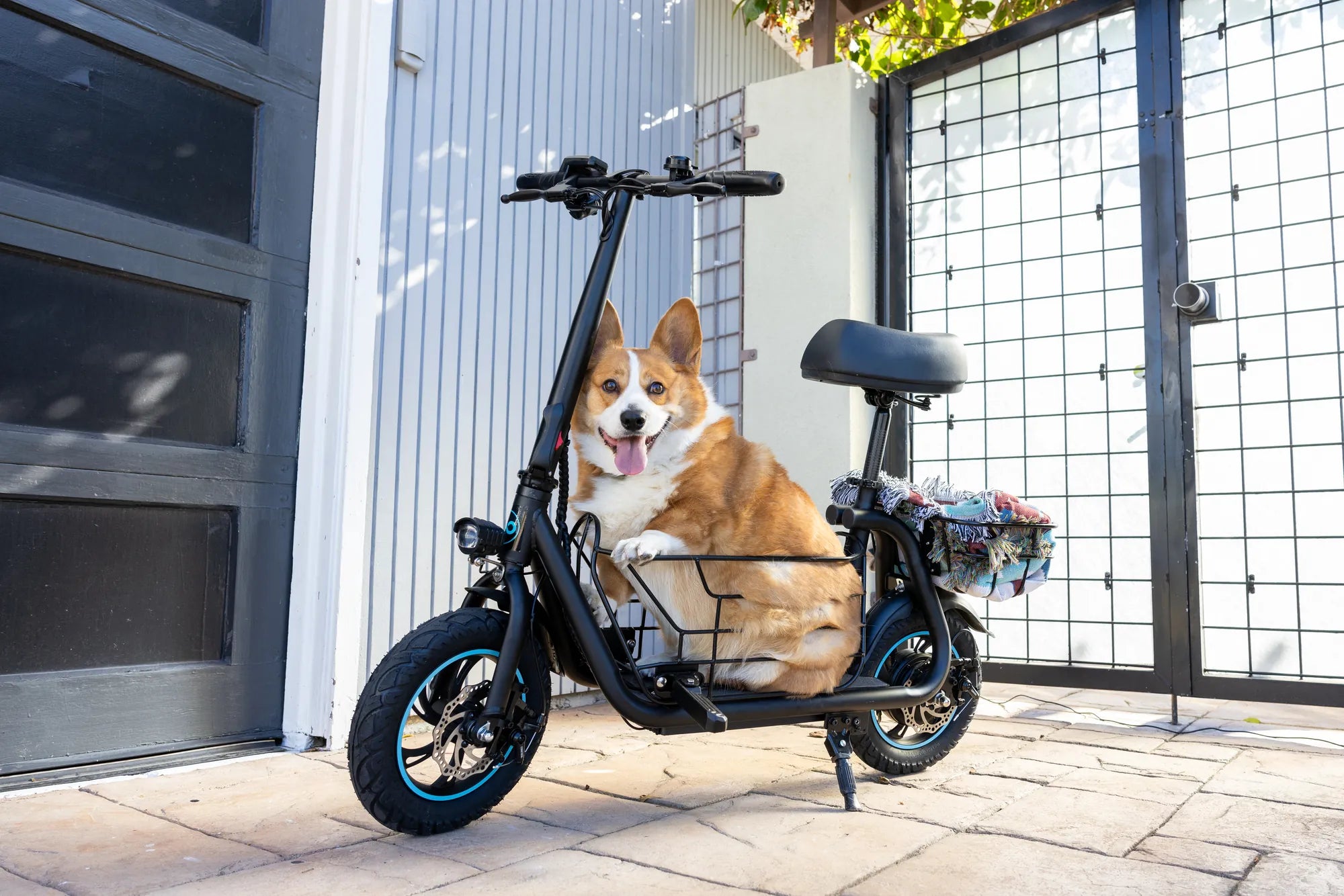
Few things are as frustrating as hopping on your electric scooter, only to find it won’t start or move. Whether you rely on it for daily commutes or weekend adventures, a non-functioning scooter can throw a wrench in your plans. But before you panic or rush to a repair shop, there are several troubleshooting steps you can take to diagnose and fix the issue. In this guide, we’ll explore the most common reasons why your electric scooter is not working and provide actionable solutions to get you rolling again.
Battery Issues
One of the most frequent culprits behind an electric scooter not working is a problem with the battery. Here’s what to check:
- Dead Battery: If your scooter won’t turn on, the battery might be completely drained. Plug it into the charger and wait for a few hours. Ensure the charger is functioning by checking for a light indicator.
- Loose Connections: Inspect the battery terminals for corrosion or loose wires. Clean them with a dry cloth and reconnect securely.
- Faulty Battery: Over time, batteries lose their capacity. If your scooter struggles to hold a charge, it might be time for a replacement.
Motor Problems
The motor is the heart of your electric scooter. If it’s not working, your scooter won’t move. Common motor-related issues include:
- Overheating: Riding uphill or over rough terrain for extended periods can cause the motor to overheat. Let it cool down before attempting to restart.
- Burnt-Out Motor: If the motor emits a burning smell or unusual noises, it may be damaged. Professional repair or replacement might be necessary.
- Wiring Issues: Check for frayed or disconnected wires leading to the motor. Reconnect or replace them as needed.
Controller Malfunctions
The controller regulates power between the battery and motor. Signs of a faulty controller include:
- Inconsistent Power: If your scooter jerks or loses power intermittently, the controller could be failing.
- No Response: A completely unresponsive scooter might indicate a dead controller. Inspect for visible damage or burnt components.
Brake System Errors
Many electric scooters have safety features that prevent operation if the brakes are engaged or malfunctioning. Check the following:
- Brake Lever Position: Ensure the brake lever isn’t stuck or partially engaged.
- Brake Sensor: A faulty sensor can trick the scooter into thinking the brakes are on. Clean or replace the sensor if needed.
Tire and Wheel Problems
Physical obstructions or damage can also prevent your scooter from working:
- Flat Tires: A flat tire can strain the motor or trigger safety shut-offs. Inflate or replace the tire.
- Misaligned Wheels: If the wheels aren’t spinning freely, adjust or realign them.
Software Glitches
Modern electric scooters often rely on software. If your scooter has a display or app, try these fixes:
- Reboot the System: Turn the scooter off and on again to reset the software.
- Firmware Updates: Check for updates that might resolve bugs or performance issues.
Environmental Factors
Extreme temperatures or moisture can affect your scooter’s performance:
- Cold Weather: Batteries drain faster in the cold. Store your scooter indoors during winter.
- Water Damage: Avoid riding in heavy rain. If exposed to water, dry the scooter thoroughly before use.
Don’t let a malfunctioning electric scooter ruin your day. By systematically checking these common issues, you can often identify and fix the problem without professional help. And if all else fails, consulting a certified technician ensures your scooter gets the care it needs. Get back on the road with confidence—your next ride is just a few fixes away!
Electric Scooter 19miles Folding Commuting: The Ultimate Urban Mobility Solution
Electric Scooter Range Per Charge: How Far Can You Really Go?