



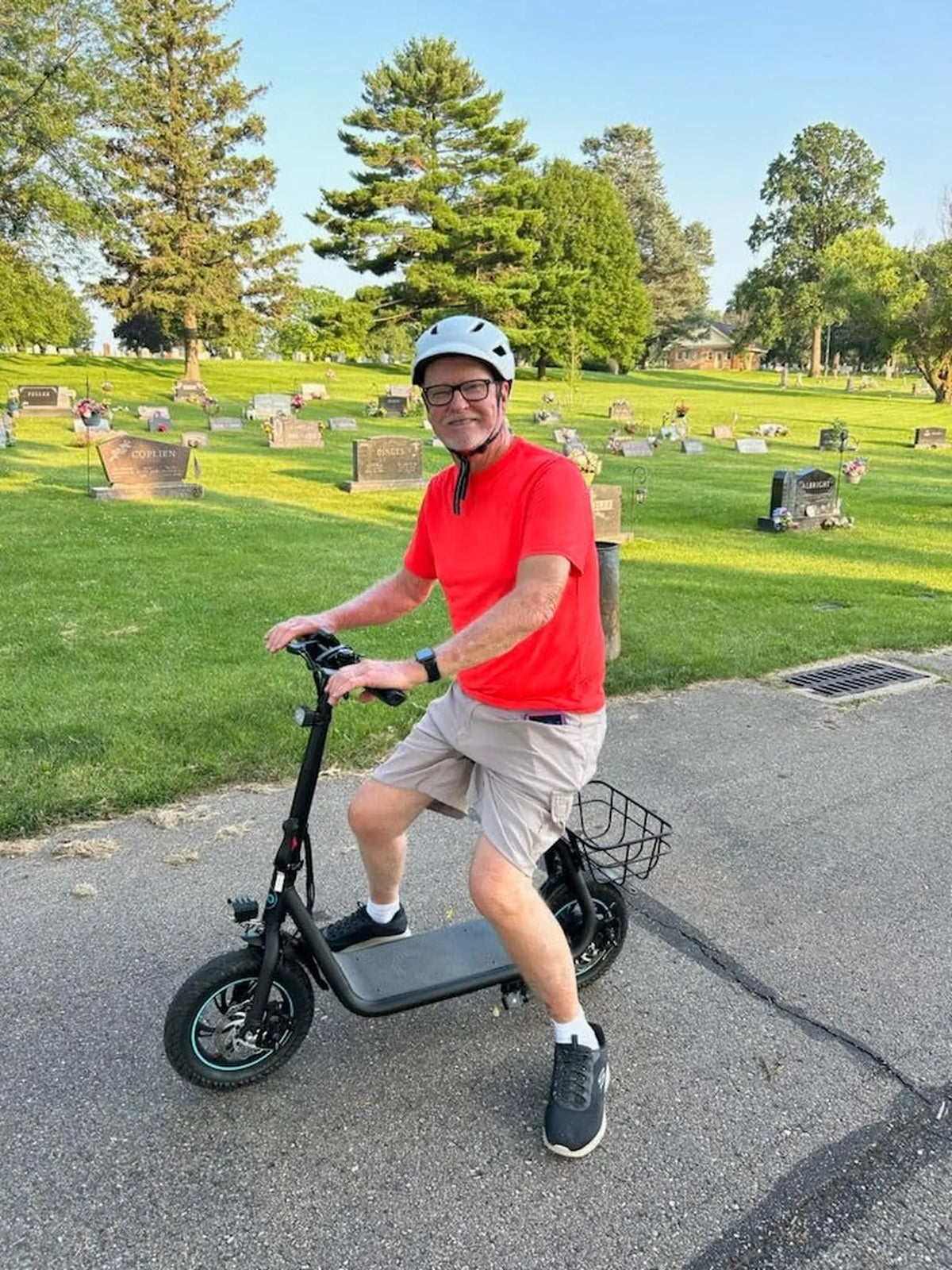
Electric scooters have surged in popularity as a convenient, eco-friendly mode of urban transportation. But behind every sleek ride lies a critical yet often overlooked component: electric scooter packaging. From protecting the product during transit to making a lasting first impression, packaging plays a pivotal role in the customer journey. Let’s dive into the innovations, challenges, and future trends shaping this essential aspect of the e-scooter industry.
The Importance of Electric Scooter Packaging
Packaging isn’t just a box—it’s the first physical interaction a customer has with their new electric scooter. High-quality packaging ensures the product arrives undamaged while reflecting the brand’s commitment to quality and sustainability. Poor packaging, on the other hand, can lead to returns, negative reviews, and wasted resources.
Key Features of Effective Electric Scooter Packaging
To stand out in a competitive market, packaging must meet several criteria:
- Durability: Protects against shocks, vibrations, and environmental factors during shipping.
- Sustainability: Uses recyclable or biodegradable materials to align with eco-conscious consumer values.
- User Experience: Easy to unbox with clear instructions and minimal waste.
- Branding: Visually appealing design that reinforces brand identity.
Sustainability in Electric Scooter Packaging
As environmental concerns grow, brands are shifting toward greener solutions. Corrugated cardboard, molded pulp, and plant-based plastics are replacing traditional foam and plastic wraps. Some companies even offer returnable packaging, where customers send back the box for reuse, reducing overall waste.
Innovations in Packaging Design
Cutting-edge designs are transforming how electric scooters are packaged:
- Modular Packaging: Customizable compartments that fit different scooter models.
- Smart Packaging: QR codes or NFC tags for easy assembly instructions or warranty registration.
- Space-Efficient Designs: Flat-pack or foldable boxes to reduce shipping costs and carbon footprint.
Challenges in Electric Scooter Packaging
Despite advancements, challenges remain:
- Cost: Sustainable materials can be more expensive than conventional options.
- Logistics: Balancing protection with lightweight materials to avoid high shipping fees.
- Regulations: Compliance with international shipping and recycling standards.
The Future of Electric Scooter Packaging
The industry is moving toward zero-waste packaging, where every component is reusable or compostable. Advances in materials science, such as mushroom-based foam or algae-derived plastics, could revolutionize how electric scooters are shipped. Brands that prioritize innovative, sustainable packaging will not only reduce their environmental impact but also win customer loyalty.
From unboxing excitement to reducing carbon footprints, electric scooter packaging is more than just a container—it’s a statement. As technology and sustainability converge, the future of packaging promises to be as dynamic as the scooters themselves. Ready to ride the wave of change?
Is It Legal to Ride an Electric Scooter? Exploring the Rules and Regulations
Is It Legal to Ride an Electric Scooter? Exploring the Rules and Regulations