

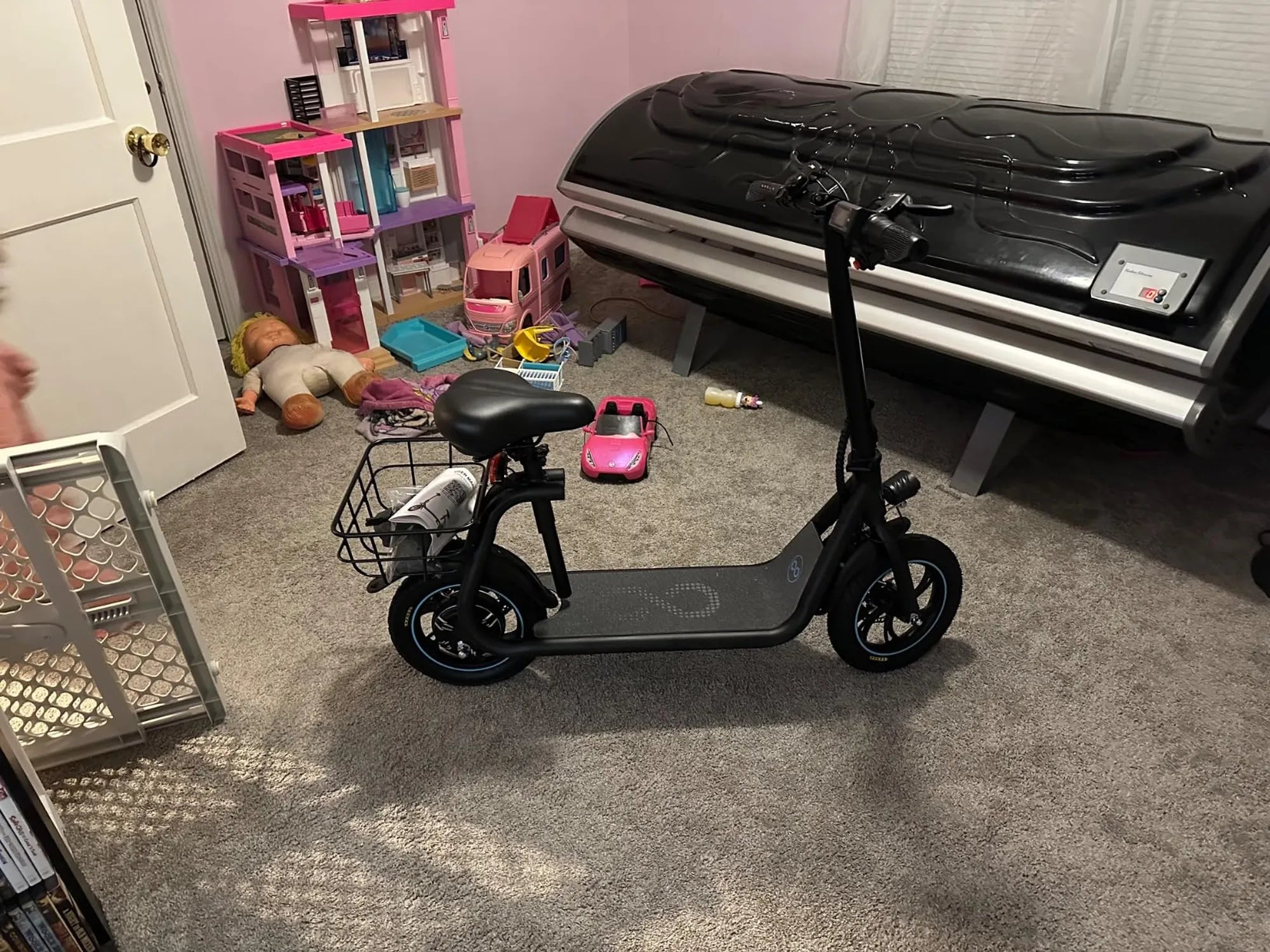
Electric scooters have taken urban transportation by storm, offering a convenient and eco-friendly way to navigate crowded streets. However, their rapid rise has also led to growing concerns about safety, congestion, and misuse. In response, many cities are introducing electric scooter restrictions to address these issues. Whether you're a daily rider or just curious about the trend, understanding these rules is crucial.
Why Are Electric Scooter Restrictions Being Implemented?
The surge in electric scooter usage has brought both benefits and challenges. While they reduce traffic and emissions, accidents and cluttered sidewalks have sparked public outcry. Cities are now enforcing electric scooter restrictions to:
- Improve pedestrian safety
- Reduce accidents and injuries
- Prevent sidewalk congestion
- Regulate parking and usage
These measures aim to strike a balance between innovation and public welfare.
Common Types of Electric Scooter Restrictions
From speed limits to designated zones, here are some of the most common electric scooter restrictions being rolled out globally:
- Speed limits: Many cities cap scooter speeds at 15-20 mph in high-traffic areas.
- No-ride zones: Certain areas, like pedestrian-heavy districts, may ban scooters entirely.
- Helmet requirements: Some regions mandate helmets to reduce head injuries.
- Parking regulations: Scooters must be parked in designated spots to avoid obstructions.
- Age and licensing: Riders may need to meet minimum age or licensing requirements.
These rules vary by location, so always check local laws before riding.
The Impact of Electric Scooter Restrictions
While some riders view electric scooter restrictions as inconvenient, they have proven effective in reducing accidents and improving urban mobility. Cities like Paris and San Francisco have seen fewer collisions and less sidewalk clutter after implementing stricter rules. However, critics argue that overregulation could stifle innovation and limit access to affordable transportation.
What Riders Should Do Next
If you rely on electric scooters, staying informed is key. Always:
- Check local regulations before riding
- Wear protective gear, even if not required
- Respect no-ride zones and parking rules
- Advocate for balanced policies that support safety and accessibility
Electric scooters aren't going away, but how we use them is evolving. By adapting to electric scooter restrictions, riders can enjoy the benefits while minimizing risks. The future of urban mobility depends on finding the right balance—so stay informed, ride responsibly, and help shape the conversation.
Electric Scooter 250W Price: What You Need to Know Before Buying
Electric Scooter 250W Price: What You Need to Know Before Buying