



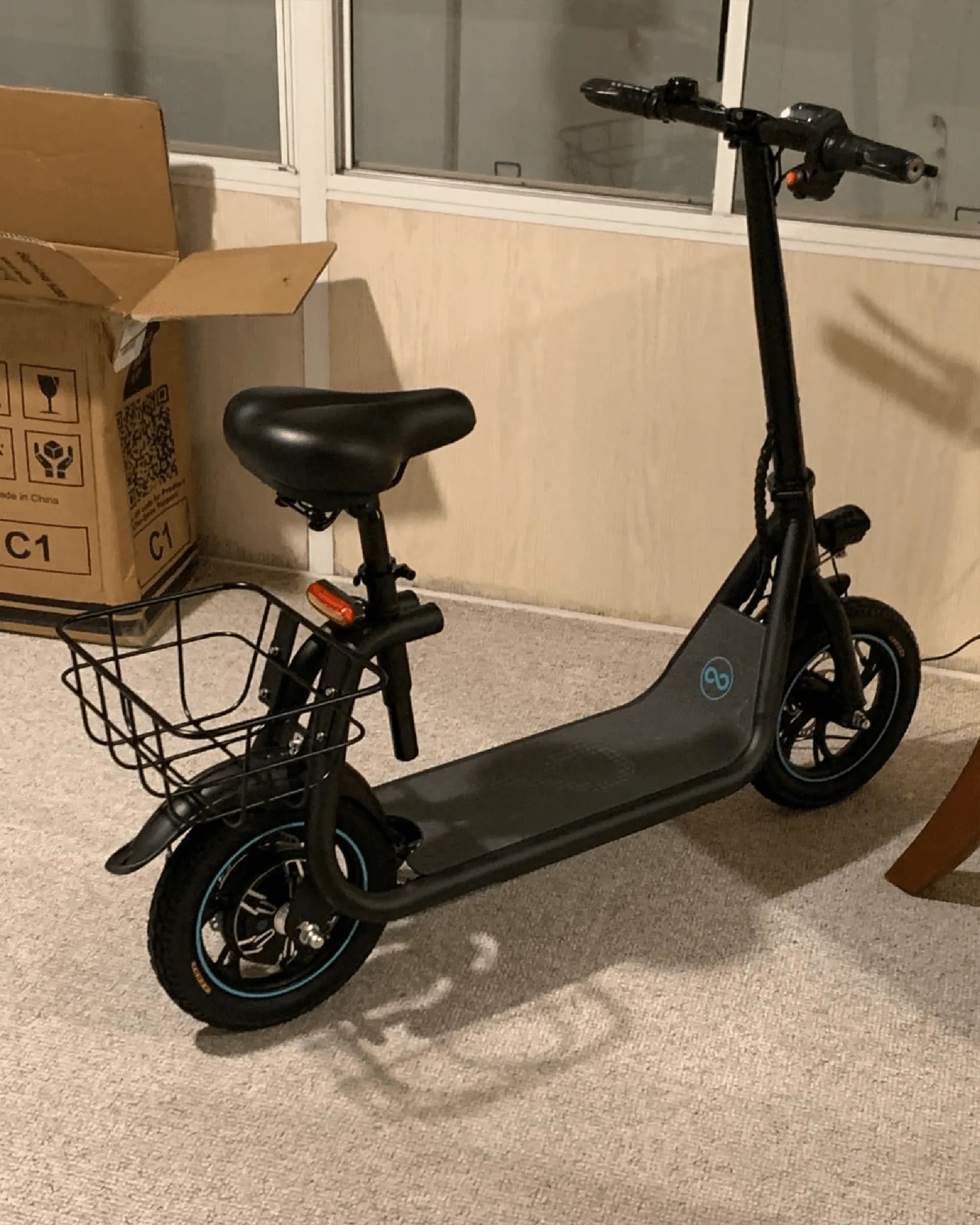
Electric scooters have revolutionized urban mobility, offering a convenient and eco-friendly way to navigate cities. But one question lingers in the minds of riders: how far can an electric scooter really take you? The answer isn't as simple as a single number—it depends on a variety of factors. Whether you're a daily commuter or a weekend explorer, understanding electric scooter travel distance is key to getting the most out of your ride.
Battery Capacity: The Heart of Your Scooter's Range
The most critical factor determining electric scooter travel distance is battery capacity, typically measured in watt-hours (Wh). A higher Wh rating generally means a longer range, but it's not the only consideration. Battery chemistry, age, and even temperature can impact performance. Lithium-ion batteries, for example, offer a good balance of energy density and longevity, but they can lose efficiency in cold weather.
Motor Efficiency: Power vs. Distance
Your scooter's motor plays a significant role in how far it can go. More powerful motors provide better acceleration and hill-climbing ability, but they also consume more energy. If you're prioritizing travel distance, a mid-range motor with efficient power management might be the sweet spot. Regenerative braking systems can also help extend your range by recapturing energy during deceleration.
Rider Weight and Riding Style
Heavier riders will naturally experience reduced travel distance, as the scooter has to work harder to maintain speed. Aggressive acceleration and frequent high-speed riding can also drain the battery faster. To maximize your electric scooter's travel distance, try maintaining a steady pace and using eco modes when possible. Smooth, controlled riding isn't just safer—it's more efficient.
Terrain and Road Conditions
Flat, smooth surfaces are ideal for maximizing electric scooter travel distance. Hills, rough terrain, and even strong headwinds can significantly reduce your range. If your daily route includes challenging topography, consider a scooter with ample power reserves or plan for a mid-ride charge. Tire pressure and type also matter—properly inflated pneumatic tires generally offer better efficiency than solid ones.
Weather Factors
Temperature extremes affect both battery performance and your riding experience. Cold weather can temporarily reduce battery capacity, while hot conditions might lead to thermal throttling. Rain and wet surfaces increase rolling resistance, slightly decreasing range. For the best electric scooter travel distance, aim for moderate weather conditions and store your scooter at room temperature when not in use.
Maintenance Matters
A well-maintained scooter will always outperform a neglected one. Regular checks of tire pressure, brake alignment, and bearing lubrication can all contribute to better efficiency. Dirty or misaligned components create unnecessary friction, forcing your motor to work harder and reducing your potential travel distance.
Calculating Real-World Range
Manufacturer estimates for electric scooter travel distance are often based on ideal conditions: light riders, flat terrain, and moderate speeds. Real-world usage typically yields about 70-80% of the advertised range. To estimate your actual range, consider all the factors we've discussed and maybe even conduct a test ride on your regular route.
Understanding electric scooter travel distance empowers you to make smarter commuting choices and avoid being stranded with a dead battery. With the right knowledge and habits, you can squeeze every last mile from your scooter's charge. Whether you're planning a long urban adventure or just your daily commute, these insights will help you ride farther and smarter.
Electric Scooter Price North Macedonia: A Comprehensive Guide for Buyers
Electric Scooter Won't Turn On or Charge: Troubleshooting Guide and Solutions