



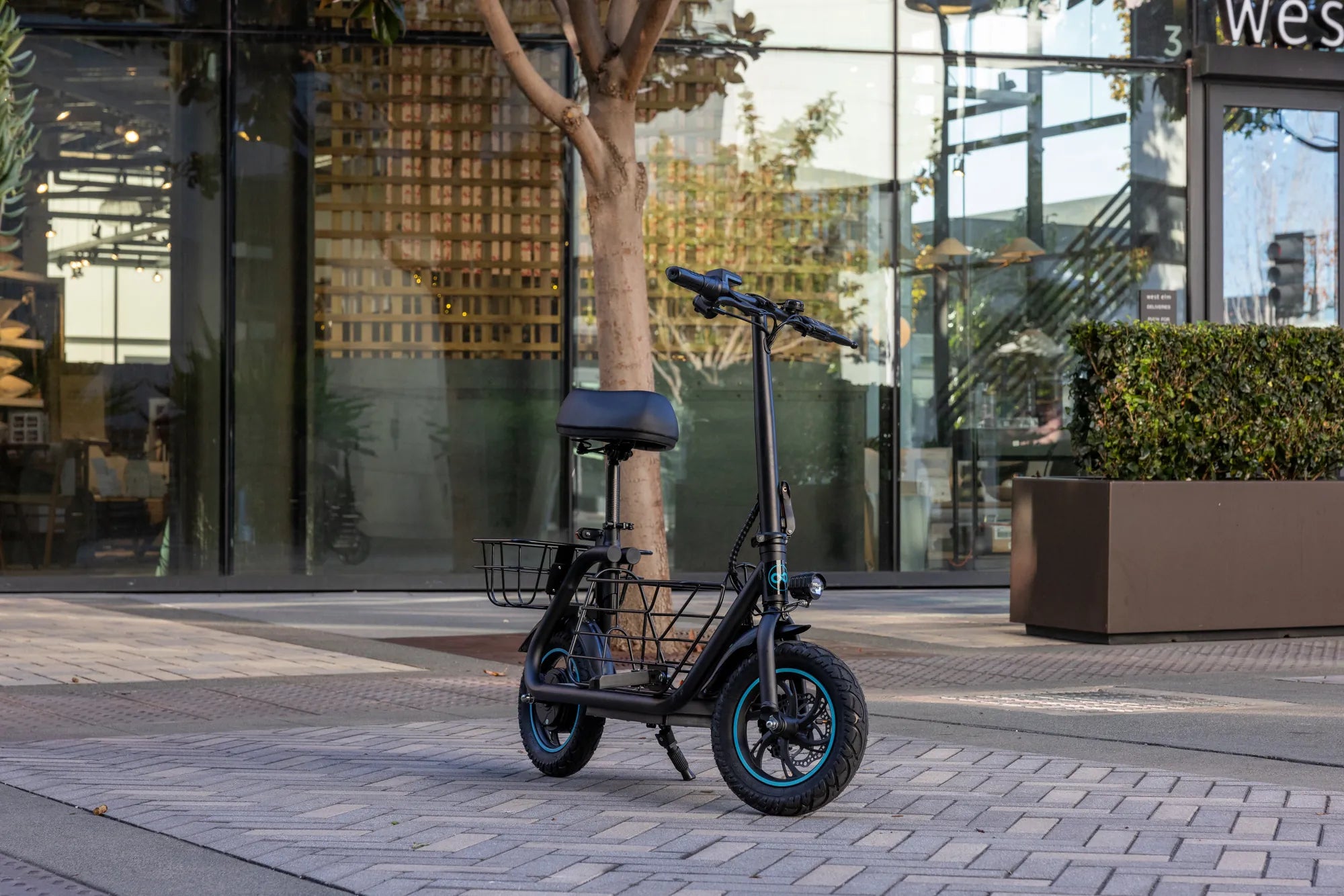
Electric scooters have surged in popularity as a convenient, eco-friendly mode of urban transportation. But how efficient are they really? Understanding electric scooter watt hours per km typical values can help riders gauge performance, battery life, and overall cost-effectiveness. Whether you're a daily commuter or a weekend explorer, knowing these metrics ensures you get the most out of your ride.
What Are Watt-Hours per Km?
Watt-hours per kilometer (Wh/km) is a measure of energy consumption, indicating how much electricity an electric scooter uses to travel one kilometer. This metric directly impacts range, battery life, and operating costs. A lower Wh/km value means higher efficiency, allowing the scooter to travel farther on the same battery capacity.
Typical Watt-Hours per Km for Electric Scooters
Most electric scooters fall within a typical range of 10 to 20 Wh/km. However, this can vary based on factors like:
- Rider weight: Heavier riders consume more energy.
- Terrain: Hills and rough surfaces increase energy use.
- Speed: Higher speeds drain the battery faster.
- Tire pressure: Underinflated tires reduce efficiency.
- Weather conditions: Cold temperatures can decrease battery performance.
How to Calculate Watt-Hours per Km
To determine your scooter's Wh/km, use this simple formula:
Wh/km = (Battery Capacity in Wh) / (Range in km)
For example, if your scooter has a 300Wh battery and a range of 30km, its energy consumption is 10Wh/km. This calculation helps compare different models and assess real-world efficiency.
Why Watt-Hours per Km Matters
Efficiency isn't just about saving money—it's about maximizing your ride. A scooter with lower Wh/km will:
- Offer longer range per charge.
- Reduce charging frequency.
- Extend battery lifespan.
- Lower electricity costs over time.
Tips to Improve Your Scooter's Efficiency
Want to squeeze more kilometers out of every charge? Try these strategies:
- Maintain optimal tire pressure: Properly inflated tires reduce rolling resistance.
- Ride at moderate speeds: Avoid unnecessary acceleration and high speeds.
- Reduce cargo weight: Lighter loads improve efficiency.
- Use eco mode: Many scooters have energy-saving settings.
- Plan smoother routes: Avoid steep hills and rough terrain when possible.
Comparing Electric Scooter Efficiency
Not all scooters are created equal. Entry-level models may consume 15-20Wh/km, while high-performance or premium scooters can achieve 10-12Wh/km. If range is a priority, investing in a more efficient model pays off in the long run.
Real-World Implications of Watt-Hours per Km
Imagine two scooters: one consumes 12Wh/km, and another uses 18Wh/km. With a 360Wh battery, the first scooter could travel 30km, while the second might only reach 20km. That’s a 50% difference in range—enough to make or break your daily commute.
Electric scooter watt hours per km typical values reveal more than just numbers—they unlock smarter riding. By understanding efficiency, you can choose the right scooter, optimize your rides, and enjoy longer, more cost-effective journeys. Ready to hit the road with confidence?
Pink Electric Scooter for Teens: The Ultimate Guide to Style, Safety, and Fun
Mountain Biking West Coast: The Ultimate Adventure Guide