



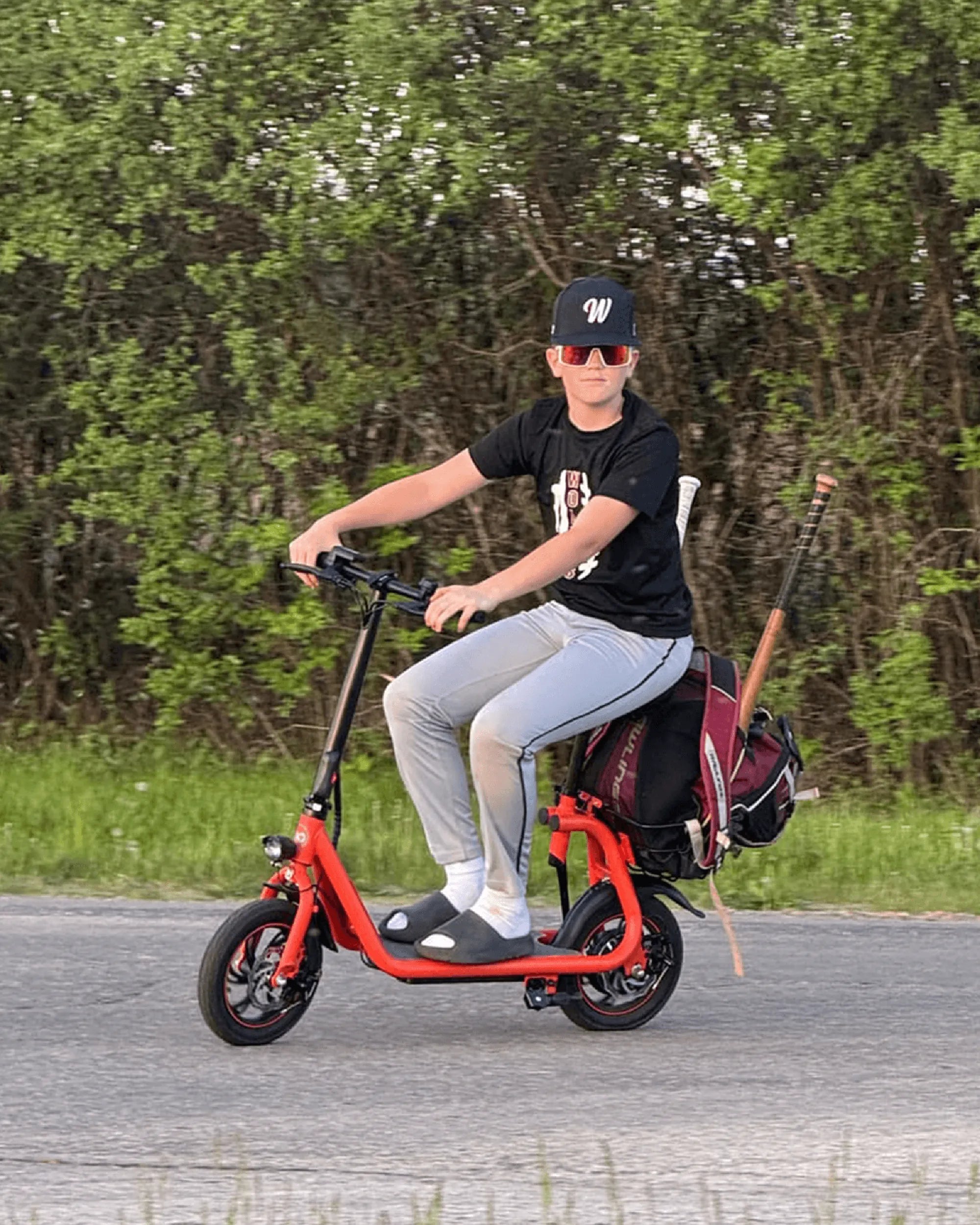
Electric scooters have become a popular choice for urban commuters, offering a convenient and eco-friendly way to navigate city streets. One of the most critical metrics for evaluating an electric scooter's efficiency is its energy consumption, measured in watt-hours per kilometer (Wh per km) at a speed of 10 kmh. Understanding this metric can help riders make informed decisions about range, battery life, and overall performance. Let’s dive into what Wh per km means, why it matters, and how it affects your riding experience.
What Does Wh per km Mean?
Watt-hours per kilometer (Wh per km) is a measure of how much energy an electric scooter consumes to travel one kilometer at a given speed. In this case, we’re focusing on a speed of 10 kmh, which is a common cruising speed for many riders. A lower Wh per km value indicates higher efficiency, meaning the scooter uses less energy to cover the same distance. This metric is crucial for estimating range and battery life, as it directly impacts how far you can travel on a single charge.
Factors Influencing Wh per km at 10 kmh
Several factors affect an electric scooter's energy consumption at 10 kmh. These include:
- Weight: Heavier riders or additional cargo increase energy consumption.
- Terrain: Riding on flat surfaces consumes less energy than uphill climbs.
- Tire Pressure: Properly inflated tires reduce rolling resistance, improving efficiency.
- Battery Health: Older or degraded batteries may deliver less efficient performance.
- Riding Style: Smooth acceleration and braking conserve energy compared to aggressive riding.
How to Calculate Wh per km
To calculate Wh per km, you’ll need to know the scooter’s battery capacity (in watt-hours) and the distance traveled (in kilometers). The formula is simple:
Wh per km = Battery Capacity (Wh) / Distance Traveled (km)
For example, if your scooter has a 250Wh battery and you travel 25 km on a single charge, the Wh per km would be 10. This calculation helps you compare different scooters and estimate their efficiency.
Why 10 kmh Matters
A speed of 10 kmh is often used as a benchmark because it represents a comfortable, energy-efficient cruising speed for many riders. At this speed, the scooter’s motor operates at a steady load, minimizing energy spikes from acceleration or high-speed wind resistance. This makes it an ideal reference point for comparing efficiency across different models.
Tips to Improve Your Scooter’s Efficiency
If you want to maximize your electric scooter’s range and reduce Wh per km, consider these tips:
- Maintain optimal tire pressure to reduce rolling resistance.
- Avoid carrying unnecessary weight to lighten the load.
- Ride at a consistent speed, preferably around 10 kmh, to minimize energy fluctuations.
- Charge your battery regularly and avoid deep discharges to prolong its lifespan.
- Choose smooth, flat routes whenever possible to reduce energy expenditure.
The Future of Electric Scooter Efficiency
As technology advances, electric scooters are becoming more energy-efficient. Innovations in battery chemistry, motor design, and lightweight materials are pushing the boundaries of what’s possible. Future scooters may achieve even lower Wh per km values, offering longer ranges and better performance without sacrificing convenience.
Electric scooter Wh per km at 10 kmh is more than just a number—it’s a key indicator of how well your scooter performs. By understanding this metric and applying efficiency-boosting strategies, you can enjoy longer rides, lower energy costs, and a smoother commuting experience. Whether you’re a daily rider or a weekend explorer, optimizing your scooter’s energy consumption will make every kilometer count.
Electrical Scooters in Kuala Lumpur: The Future of Urban Mobility
Why Does My Electric Scooter Say E7? Understanding the Error Code