

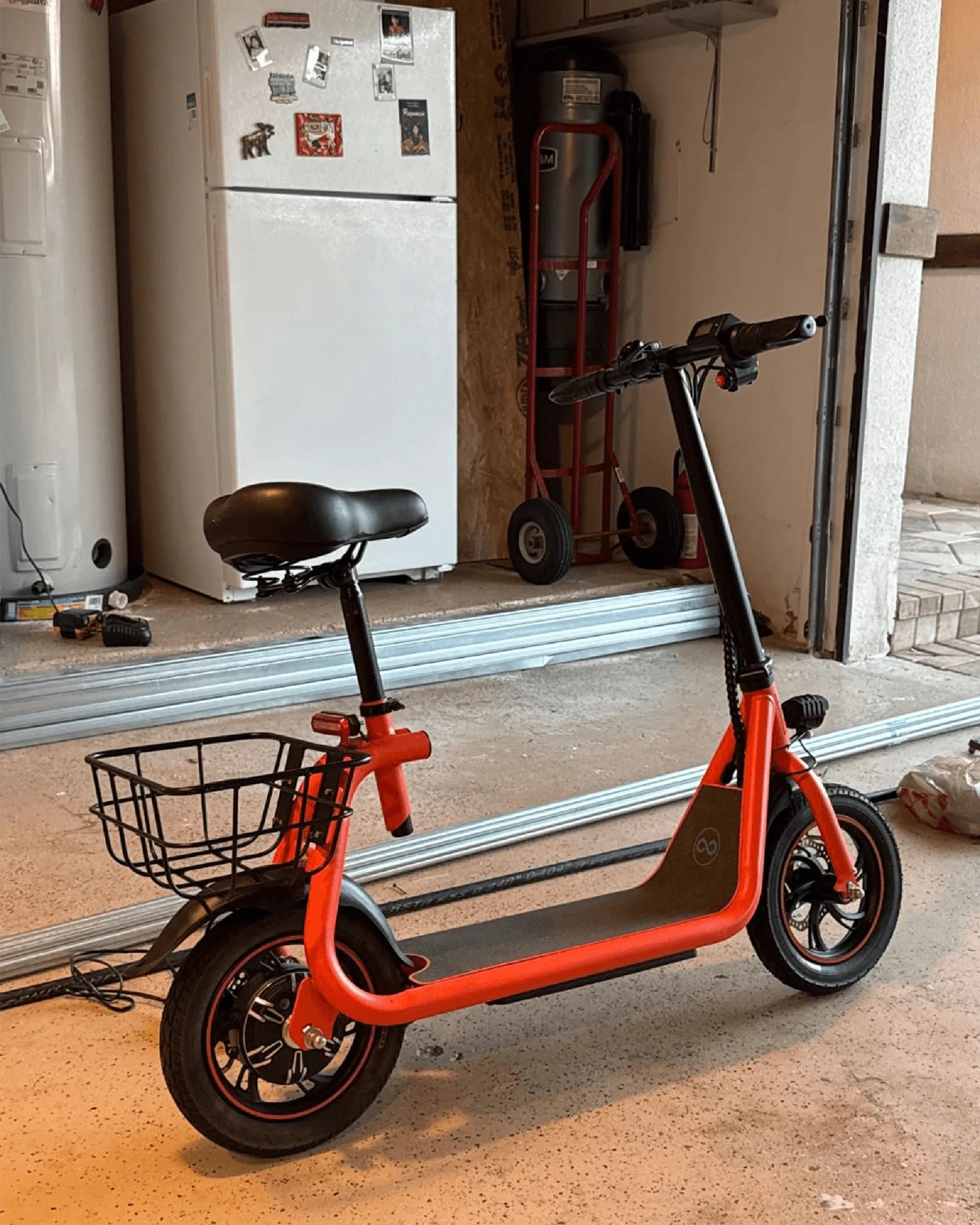
Imagine gliding through city streets on an electric scooter that never runs out of power—thanks to battery swap technology. This innovation is transforming urban mobility, making it easier than ever to ditch gas-guzzling vehicles for a cleaner, smarter alternative. Let’s dive into how electric scooters with battery swap work and why they’re the future of transportation.
How Battery Swap Technology Works
Electric scooters with battery swap systems allow riders to quickly replace depleted batteries with fully charged ones at designated stations. Instead of waiting hours for a recharge, users can swap their battery in minutes, ensuring minimal downtime. This technology eliminates range anxiety and makes electric scooters a viable option for daily commutes.
Benefits of Battery Swap for Electric Scooters
1. Unmatched Convenience
No more planning your day around charging times. With battery swap stations strategically placed across cities, riders can enjoy uninterrupted travel. Simply locate a station, swap your battery, and go.
2. Extended Range
Battery swap systems enable riders to cover longer distances without worrying about running out of power. This makes electric scooters practical for both short trips and extended journeys.
3. Reduced Environmental Impact
By promoting the use of electric scooters, battery swap technology helps cut down on carbon emissions. Swappable batteries also encourage efficient energy use, as they can be charged during off-peak hours.
4. Lower Maintenance Costs
Since batteries are the most expensive component of an electric scooter, swapping them reduces wear and tear on individual units. This extends the lifespan of the scooter and lowers long-term costs.
The Growing Popularity of Battery Swap Scooters
Cities worldwide are embracing electric scooters with battery swap capabilities. Urban planners recognize their potential to reduce traffic congestion and pollution. Governments and private companies are investing in infrastructure to support this emerging trend, making it easier for riders to adopt this eco-friendly mode of transport.
Challenges and Solutions
1. Infrastructure Development
Building a network of battery swap stations requires significant investment. However, partnerships between municipalities and tech companies are accelerating this process, ensuring widespread accessibility.
2. Standardization
Different manufacturers use varying battery designs, which can complicate swapping. Industry-wide standards are being developed to ensure compatibility across brands.
3. Consumer Awareness
Many potential users are unaware of the benefits of battery swap technology. Educational campaigns and incentives are helping to spread the word and drive adoption.
The Future of Electric Scooters with Battery Swap
As technology advances, battery swap systems will become even more efficient and affordable. Innovations like smart batteries and AI-powered station management will further enhance the user experience. With cities pushing for greener transportation, electric scooters with battery swap are poised to become a cornerstone of urban mobility.
Ready to join the revolution? Electric scooters with battery swap offer a seamless, sustainable way to navigate busy streets—no more charging hassles, just endless rides ahead. The future of commuting is here, and it’s electrifying.
What Is the Best Electric Scooter for Commuting: A Comprehensive Guide
Electric Scooter Pro 2: The Ultimate Guide to Smart Urban Commuting