



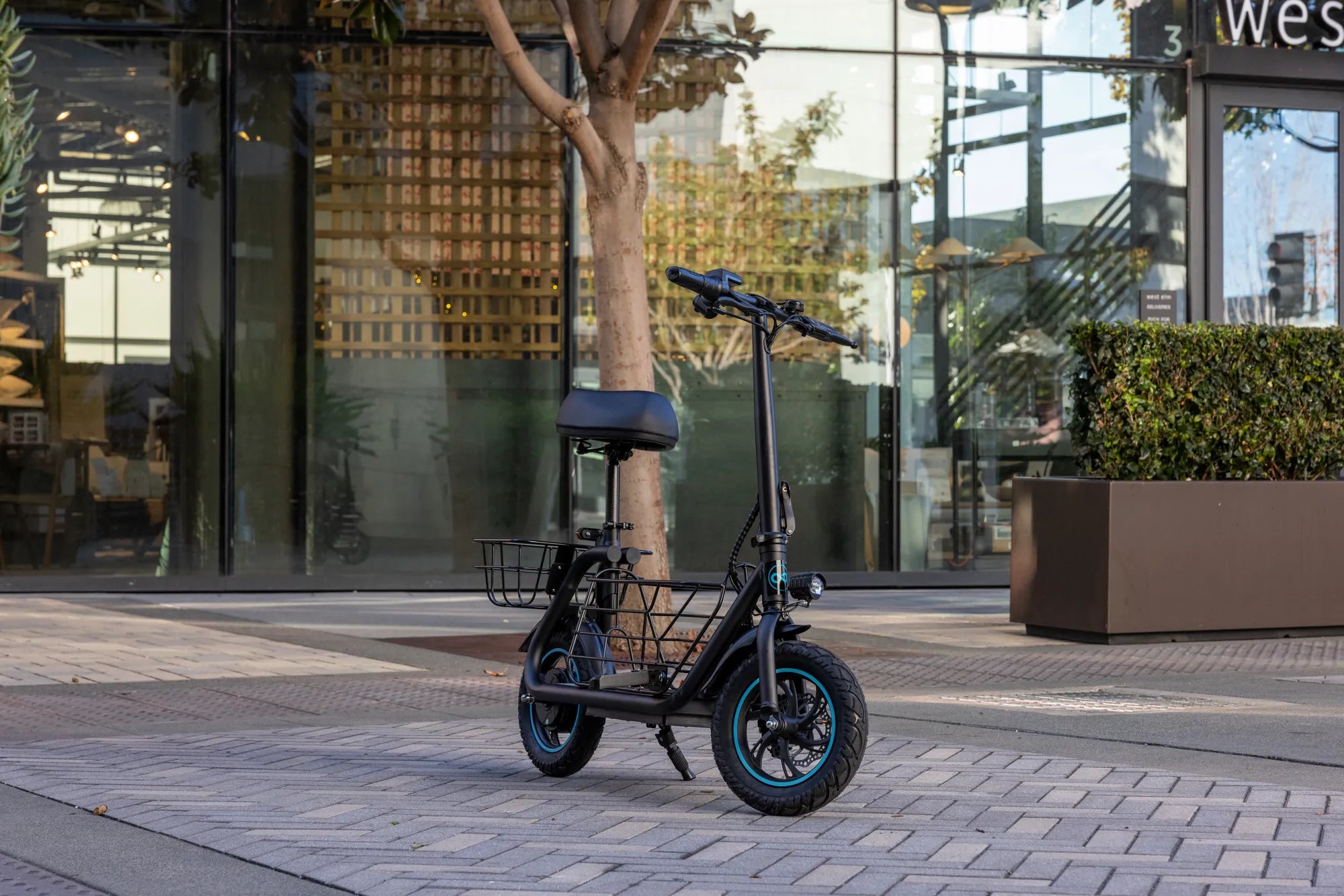
Few things are as frustrating as hopping on your electric scooter, only to find it struggling or completely failing to climb a hill. Whether you're commuting or just enjoying a ride, an electric scooter that won't go uphill can ruin your experience. But don't worry—this issue is often fixable. Let's dive into the reasons behind this problem and explore how you can get your scooter back to peak performance.
Why Your Electric Scooter Won't Go Uphill
Several factors can contribute to an electric scooter's inability to climb hills. Understanding these causes is the first step toward finding a solution.
1. Motor Power and Wattage
Electric scooters come with motors of varying power, typically measured in watts. A scooter with a low-wattage motor (under 250W) will naturally struggle on inclines. Higher-wattage motors (500W or more) provide better torque, making hill climbs easier.
2. Battery Capacity and Health
A weak or aging battery can significantly reduce your scooter's performance. If the battery can't deliver consistent power, the motor won't have the energy needed to tackle hills. Regularly check your battery's health and consider replacing it if it no longer holds a charge.
3. Weight Limits
Every electric scooter has a maximum weight capacity. Exceeding this limit can strain the motor, making it difficult to climb hills. Always check the manufacturer's recommended weight limit and ensure you're within it.
4. Terrain and Gradient
Not all hills are created equal. Steeper gradients require more power, and some scooters simply aren't designed for extreme inclines. If your scooter struggles on mild hills, it might be time to upgrade to a more powerful model.
How to Improve Your Electric Scooter's Hill-Climbing Ability
If your electric scooter won't go uphill, there are several steps you can take to improve its performance.
1. Upgrade the Motor
If your scooter's motor is underpowered, upgrading to a higher-wattage motor can make a world of difference. This is especially useful if you frequently encounter hills on your routes.
2. Maintain Your Battery
Regularly charging your battery and avoiding complete discharges can extend its lifespan. If your battery is old or damaged, replacing it can restore your scooter's power.
3. Reduce Load
Carrying extra weight can strain your scooter's motor. Try lightening your load by removing unnecessary items or using a backpack instead of attaching heavy bags to the scooter.
4. Check Tire Pressure
Underinflated tires create more rolling resistance, making it harder for the scooter to climb hills. Ensure your tires are properly inflated to the recommended pressure.
5. Use Assistive Techniques
If your scooter still struggles, try giving it a gentle push with your foot when starting uphill. This can help the motor gain momentum and reduce strain.
Choosing the Right Electric Scooter for Hills
If you frequently ride on hilly terrain, investing in a scooter designed for hills is the best long-term solution. Look for models with:
- High-wattage motors (500W or more)
- Dual motors for extra torque
- Long-lasting, high-capacity batteries
- Robust construction to handle heavier loads
By selecting a scooter with these features, you'll enjoy smoother rides even on steep inclines.
Final Thoughts
An electric scooter that won't go uphill doesn't have to be a permanent problem. Whether it's upgrading your motor, maintaining your battery, or simply adjusting your riding technique, there are plenty of ways to improve performance. With the right approach, you'll be conquering hills in no time—making every ride smoother and more enjoyable.
Mobility Scooter 4mph: The Ultimate Guide to Safe and Efficient Travel
Mobility Scooter 4mph: The Ultimate Guide to Safe and Efficient Travel