



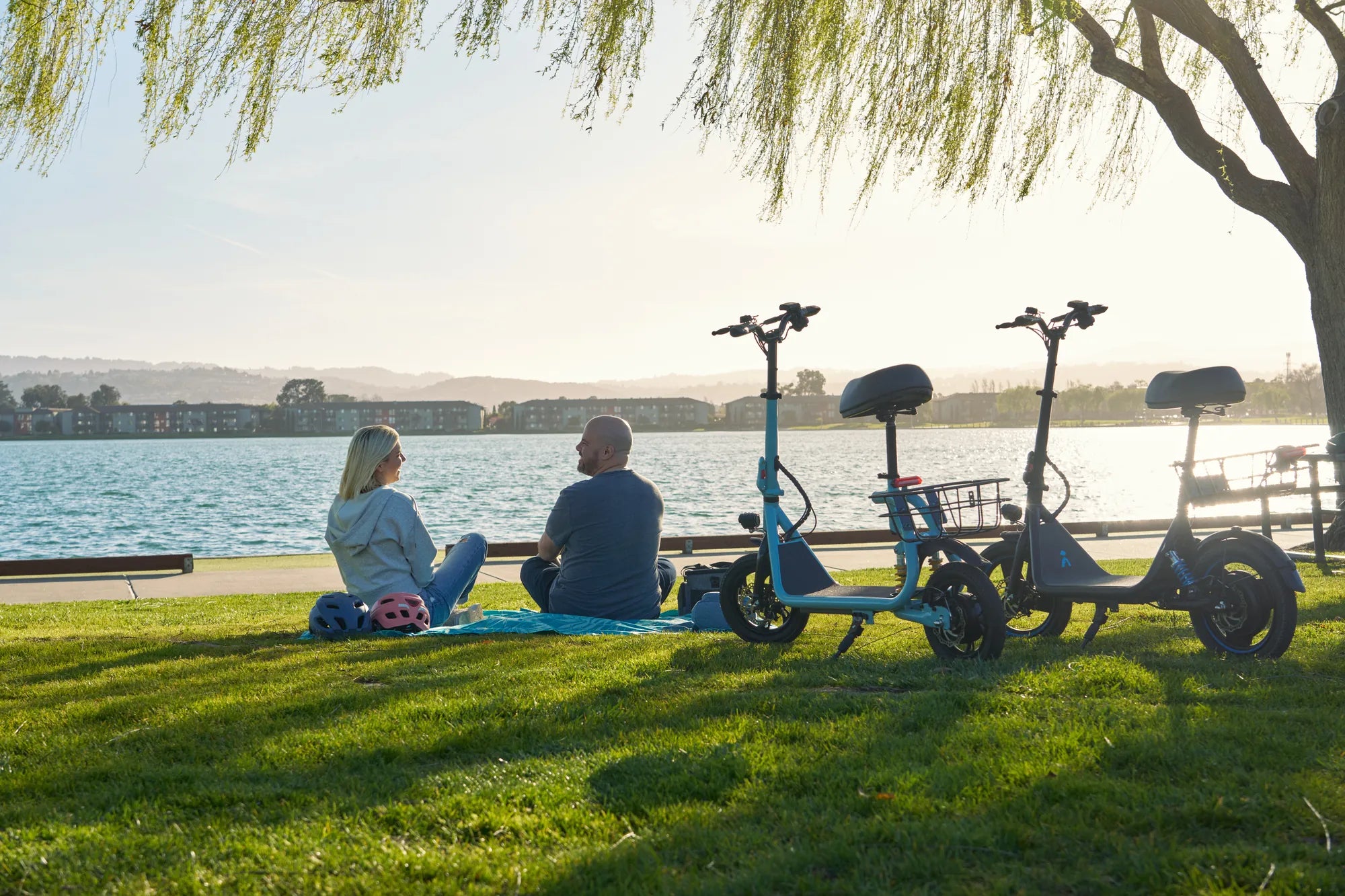
Redefining Urban Commutes with 125cc Power
City streets are evolving, and so is the way we navigate them. The 125cc-class electric scooter has emerged as the definitive sweet spot for urban mobility, offering a compelling blend of highway-capable speed, practical range, and zero-emission operation. This category represents a significant leap from smaller, last-mile options, positioning itself as a true car replacement for millions of daily commuters. By delivering performance comparable to traditional 50-125cc gas scooters without the fumes, noise, or high operating costs, these powerful electric scooters are redefining urban transportation. The future of city travel is not just electric; it's powerful, efficient, and accessible.
Electric Scooters 125cc: The Future of Urban Mobility is not a speculative claim but an observable trend supported by rising adoption rates and technological advancements. Consumers are shifting towards robust personal electric vehicles (PEVs) that can handle a 20-mile commute, a steep hill, or a quick grocery run with equal ease. This article will decode what makes this category unique, explore its undeniable advantages, and explain how to choose a model engineered for safety and longevity, like those from leading brands including Gyroor.
What is a 125cc Electric Scooter? Decoding the Classification
First, it's crucial to understand that "125cc" is a power equivalence rating, not a measure of engine displacement. It classifies electric scooters whose performance—top speed, acceleration, and hill-climbing torque—matches that of a traditional 50cc to 125cc internal combustion engine (ICE) scooter. This equivalence provides a familiar benchmark for riders transitioning from gas to electric power.
These scooters typically feature robust motors ranging from 1000W to 2000W or more, enabling top speeds between 28 mph (45 km/h) and 45 mph (72 km/h). Their battery systems are substantially larger than those on entry-level e-scooters, often boasting capacities from 20Ah to 30Ah or higher. This combination of power and energy density is what unlocks their true potential for practical, daily transportation beyond short trips.
Key Performance Metrics: Speed, Range, and Payload
The defining characteristics of this class are its real-world performance metrics. A true 125cc-equivalent electric scooter must deliver on three fronts: sustained speed for keeping pace with city traffic, sufficient range to eliminate daily charging anxiety, and a payload capacity that accommodates most riders and their gear.
Realistic range per charge varies from 25 to 50 miles under optimal conditions, influenced by rider weight, terrain, speed, and temperature. Payload capacities often exceed 265 lbs, making them suitable for carrying a passenger or a heavy load of cargo. This performance profile directly addresses the limitations of smaller e-scooters, making them a viable primary vehicle for urban and suburban environments.
Why Choose a 125cc-Class E-Scooter? The Practical Advantages
The move to a 125cc-class electric scooter is driven by tangible, data-backed benefits that impact daily life, finances, and the environment. For the urban commuter, it represents an optimal balance of capability and convenience that smaller PEVs or gas alternatives struggle to match.
Unmatched Commuting Efficiency
For distances between 5 and 20 miles, a 125cc electric scooter is often the fastest point-to-point vehicle in a dense city. It bypasses traffic jams, utilizes bike lanes where legal, and requires minimal parking space. The cost-per-mile is a fraction of a car's; electricity costs roughly $0.30 to fully charge a large battery for 40 miles of range, compared to $4-$6 for the same distance in a gas-powered vehicle.
This efficiency translates to significant annual savings. Commuting 15 miles daily could save over $1,500 per year on fuel and parking alone compared to a car. Time savings are equally valuable, turning stressful, gridlocked drives into predictable, enjoyable rides.
Power Meets Sustainability
The environmental argument is powerful. A 125cc electric scooter produces zero tailpipe emissions, directly improving local air quality. Replacing a gas scooter or car with an e-scooter can reduce CO2 emissions by approximately 1.5 tons annually. Their near-silent operation also contributes to reducing urban noise pollution, creating quieter, more pleasant cityscapes.
This sustainability extends to energy efficiency. Electric motors convert over 85% of electrical energy into motion, while internal combustion engines are only about 20-30% efficient. When charged from an increasingly renewable grid, the carbon footprint of each mile shrinks even further, making it a forward-looking choice.
Built for Real-World Conditions
Unlike smaller, lighter scooters, 125cc-class models are engineered for durability and comfort. They commonly feature larger wheel diameters (10-inch or more), advanced suspension systems (dual spring or hydraulic), and rigid, full-sized frames. This architecture absorbs shocks from potholes and uneven pavement, providing a stable, confident ride that enhances safety.
The robust construction isn't just for comfort; it's a critical safety feature. Better stability at higher speeds, more powerful disc brakes for shorter stopping distances, and brighter lighting systems make these scooters competent for sharing the road with cars, a necessity for any true commuter vehicle.
Gyroor's Approach to 125cc-Level Performance: Safety and Reliability First
As a leading electric scooter and e-bike brand trusted by over 100,000 riders across North America and Europe, Gyroor engineers its high-performance models with a core philosophy: power must be underpinned by uncompromising safety and proven reliability. This focus addresses the primary concerns riders have when moving into this more powerful vehicle category.
UL-Certified Battery Packs: The Foundation of Power & Safety
The high-capacity lithium-ion batteries that enable 125cc-level performance also carry inherent risks if poorly manufactured. Gyroor uses only UL-certified battery packs, a critical differentiator. UL certification involves rigorous testing for electrical, mechanical, and environmental safety, drastically reducing the risk of thermal runaway, fire, or failure.
These certified packs are tested for 500+ charge cycles while maintaining significant capacity, ensuring long-term value and reliability. For the rider, this means peace of mind—the knowledge that the most critical and energy-dense component of their vehicle meets the highest independent safety standards in the industry.
IPX5 Water Resistance: Ready for All Weather Commuting
A true commuter vehicle cannot be a fair-weather toy. Gyroor designs its performance scooters with IPX5-rated water resistance. This rating certifies protection against water jets from any direction, meaning the scooter can safely handle wet streets, light rain, and accidental splashes without electrical damage.
This feature dramatically increases the vehicle's utility and reliability. It allows riders to commute confidently without constantly checking the weather forecast, knowing their investment is protected against common real-world conditions. It’s a fundamental feature for a vehicle billed as a practical transportation solution.
Warranty and Support: Investing with Confidence
Purchasing a 125cc-class electric scooter is a significant investment. Gyroor backs this investment with a comprehensive 1-year warranty and accessible customer support. This warranty covers major components like the motor, battery, and controller, protecting owners from unforeseen manufacturing defects.
For a daily driver, this support network is invaluable. It ensures that the scooter remains a dependable asset, not a liability. The combination of certified components, robust design, and strong warranty reflects a brand's confidence in its products and commitment to rider satisfaction over the long term.
125cc E-Scooter vs. Alternatives: A Data-Driven Comparison
Choosing the right urban vehicle requires a clear comparison of costs, capabilities, and constraints. The following table illustrates how a 125cc-class electric scooter stacks up against common alternatives.
| Vehicle Type | Purchase Price | Annual Operating Cost* | Max Speed | Practical Range | Environmental Impact | Parking & Access |
|---|---|---|---|---|---|---|
| 125cc E-Scooter | $1,500 - $3,500 | $60 (Electricity) | 28-45 mph | 25-50 miles | Zero Direct Emissions | Easy; Use bike lanes |
| 50cc-Class E-Scooter | $800 - $1,500 | $40 (Electricity) | 15-25 mph | 10-25 miles | Zero Direct Emissions | Easy; Use bike lanes |
| Gas 125cc Scooter | $2,000 - $4,000 | $450 (Fuel, Oil) | 50-60 mph | 150+ miles | High CO2 & NOx Emissions | Moderate; Motorcycle parking |
| Public Transit (Monthly) | N/A | $800 - $1,500 | Variable | Unlimited | Low Per Capita | Fixed Routes & Schedules |
| Compact Car | $20,000+ | $3,500 (Fuel, Ins, Park) | Highway Speeds | 300+ miles | High CO2 Emissions | Difficult & Expensive |
*Annual operating cost estimates include energy/fuel, basic maintenance, and parking where applicable. Car cost includes insurance.
The data shows that the 125cc electric scooter offers a unique balance: the speed and utility approaching a gas scooter with the low cost and clean operation of an electric vehicle. It fills the gap between limited-range micro-mobility and overkill, expensive car ownership for urban dwellers.
Navigating Regulations and Riding Safely
With the greater power of a 125cc-class electric scooter comes greater responsibility and more complex regulations. Understanding and adhering to these rules is non-negotiable for safe and legal operation.
Regulatory classification varies widely by jurisdiction. In many U.S. states, any electric scooter capable of exceeding 28-30 mph is classified as a motorcycle or motor-driven cycle. This often requires a motorcycle license (M endorsement), vehicle registration, license plates, and liability insurance. Local laws must be verified through the Department of Motor Vehicles (DMV) before purchase and use.
Safety gear is paramount. A full-face or modular motorcycle helmet (DOT or ECE certified) is strongly recommended, along with motorcycle gloves, a durable jacket, and over-ankle footwear. Riders should complete a basic motorcycle safety course, which teaches essential skills like emergency braking, swerving, and hazard awareness that are directly applicable to operating a powerful e-scooter in traffic.
The Smart, Powerful Choice for Modern Cities
The evidence is compelling: 125cc-equivalent electric scooters represent a mature, practical, and transformative mode of urban transportation. They solve the core problems of city commuting—cost, time, congestion, and pollution—with elegant efficiency. By offering a viable alternative to car ownership for millions of trips, they have the potential to reshape our urban landscapes into cleaner, quieter, and more livable spaces.
This future, however, relies on choosing vehicles built to last and designed with safety as the cornerstone. It means prioritizing UL-certified batteries, weather-resistant construction, and reliable support from the manufacturer. By making an informed choice, riders don't just buy a scooter; they invest in a smarter, more sustainable way of moving through the world. The era of powerful, practical, and responsible electric mobility is here.
Ready to experience the future of urban mobility? Explore Gyroor's lineup of high-performance electric scooters engineered with UL-certified safety, IPX5 water resistance, and the reliability demanded by daily commuters. Browse the full Gyroor collection at gyroorboard.com and find the powerful electric scooter 125cc-class model that matches your journey.
Frequently Asked Questions (FAQ)
Do I need a motorcycle license to ride a 125cc electric scooter?
In many regions, yes. Regulations are based on the vehicle's maximum capable speed, not its motor power. If the scooter can exceed a threshold typically set between 28-30 mph (varies by state/country), it will likely be classified as a motorcycle or motor-driven cycle. This classification usually requires a motorcycle license/endorsement, registration, and insurance. Always check your local Department of Motor Vehicles (DMV) or transportation authority for precise laws.
How far can I realistically travel on a single charge?
Manufacturer range claims are based on ideal laboratory conditions. Real-world range is affected by rider weight, riding style (frequent acceleration/braking), terrain (hills), speed (higher speeds drain batteries faster), and ambient temperature. For most 125cc-class models, a realistic expectation is 25-40 miles under average mixed-use conditions. A good rule of thumb is to choose a scooter with a rated range at least 50% greater than your longest regular trip to account for these variables.
Are these scooters safe for carrying a passenger?
Some models in this class are designed for two riders, featuring a longer deck, dual footrests, and a reinforced frame. However, you must first verify the manufacturer's specified maximum load capacity—exceeding it is dangerous and voids warranties. Second, check local laws; many jurisdictions prohibit passengers on scooters, even if physically possible. If carrying a passenger is legal and within limits, both individuals should wear full protective gear, and the rider must practice extra caution due to altered braking dynamics and weight distribution.
How long does the battery last before needing replacement?
Battery longevity is measured in charge cycles. A high-quality, UL-certified lithium-ion battery like those used by Gyroor is typically rated for 500-800 full charge cycles before its capacity degrades to about 80% of its original state. With moderate use (3-4 charges per week), this translates to 3-5 years of reliable service. Proper care—avoiding complete 0% discharges, not leaving it at 100% charge for extended periods, and storing in moderate temperatures—can significantly extend battery life.
What is the maintenance like compared to a gas scooter?
Maintenance is dramatically simpler and less expensive. Electric scooters have far fewer moving parts: no engine oil, spark plugs, air filters, fuel lines, or complex transmission to service. Primary maintenance involves checking tire pressure and tread, ensuring brake pads and discs are in good condition, cleaning the scooter, and periodically checking bolt tightness. The most significant eventual replacement cost is the battery pack, but this is offset by years of negligible daily maintenance and no fuel costs.
Are Electric Scooters Legal in Edmonton? What You Need to Know
Electric Scooters for People Over 300 lb: The Ultimate Guide to Heavy-Duty Mobility