


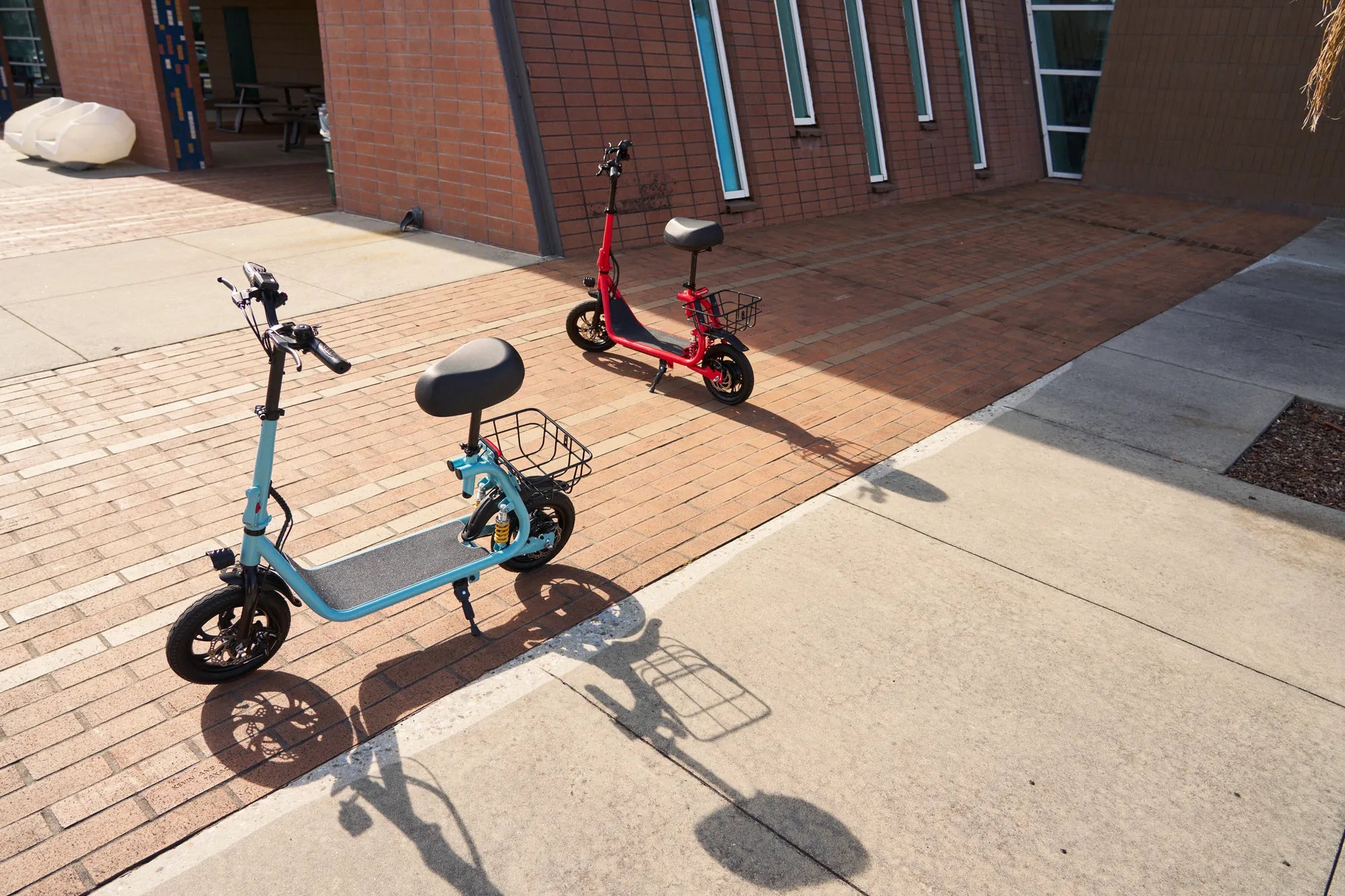
Imagine zipping through city streets with zero emissions, leaving behind nothing but a whisper of clean air. Electric scooters are not just a trendy way to get around—they're a powerful tool in the fight against climate change. As cities worldwide grapple with pollution and traffic, these compact vehicles are emerging as a sustainable alternative to traditional transportation. But how exactly do they benefit the environment? Let's dive into the green revolution happening on two wheels.
The Environmental Impact of Traditional Transportation
Before electric scooters entered the scene, urban transportation relied heavily on gas-powered vehicles. Cars, buses, and motorcycles contribute significantly to air pollution, emitting harmful gases like carbon dioxide (CO2), nitrogen oxides (NOx), and particulate matter. These emissions not only accelerate climate change but also degrade air quality, leading to respiratory diseases and other health issues. Traffic congestion further exacerbates the problem, as idling vehicles burn fuel inefficiently, releasing even more pollutants into the atmosphere.
How Electric Scooters Reduce Emissions
Electric scooters operate on rechargeable batteries, eliminating tailpipe emissions entirely. Unlike gasoline engines, which burn fossil fuels, e-scooters draw power from the grid, which is increasingly powered by renewable energy sources like wind and solar. Even when charged using conventional electricity, e-scooters produce far fewer emissions per mile than gas-powered vehicles. Studies show that switching to electric scooters can reduce CO2 emissions by up to 50% compared to cars, making them a cleaner choice for short-distance travel.
Reducing Traffic Congestion and Urban Sprawl
One of the lesser-known environmental benefits of electric scooters is their ability to ease traffic congestion. Their compact size allows riders to navigate crowded streets efficiently, reducing the number of cars on the road. Fewer cars mean less idling, lower emissions, and shorter commute times. Additionally, e-scooters promote the use of micro-mobility, encouraging people to opt for smaller, more efficient vehicles instead of relying on oversized cars for short trips. This shift can help curb urban sprawl by reducing the need for expansive parking lots and wide roads, preserving green spaces in cities.
Energy Efficiency and Resource Conservation
Electric scooters are incredibly energy-efficient, requiring far less power to operate than cars or motorcycles. Their lightweight design and electric motors convert over 80% of the energy from the battery into motion, compared to just 20-30% for internal combustion engines. This efficiency translates to lower energy consumption and reduced strain on power grids. Moreover, e-scooters have fewer moving parts than traditional vehicles, meaning they require less maintenance and generate less waste over their lifespan. Many manufacturers are also adopting sustainable practices, such as using recycled materials in production and designing scooters for easy disassembly and recycling.
Challenges and Considerations
While electric scooters offer clear environmental advantages, they are not without challenges. The production of lithium-ion batteries, for instance, involves mining rare earth metals, which can have ecological and ethical implications. Proper battery disposal and recycling are critical to minimizing their environmental footprint. Additionally, the rise of shared e-scooter programs has led to concerns about sidewalk clutter and improper parking. Cities must implement regulations and infrastructure, such as dedicated parking zones and charging stations, to ensure e-scooters are used responsibly and sustainably.
The Future of Electric Scooters and Sustainable Cities
As technology advances, electric scooters are becoming even more eco-friendly. Innovations like swappable batteries, solar-powered charging stations, and regenerative braking systems are pushing the boundaries of sustainability. Cities are also integrating e-scooters into broader public transportation networks, offering seamless connections between buses, trains, and micro-mobility options. By embracing electric scooters, urban areas can reduce their carbon footprint, improve air quality, and create more livable spaces for residents.
The next time you see an electric scooter gliding silently down the street, remember: it's not just a convenient ride—it's a small but mighty force for environmental change. With every mile traveled, e-scooters are helping to build a cleaner, greener future, one trip at a time.
Where Is It Legal to Ride an Electric Scooter: A Global Guide
How Many Miles Can an Electric Scooter Travel: A Complete Guide