



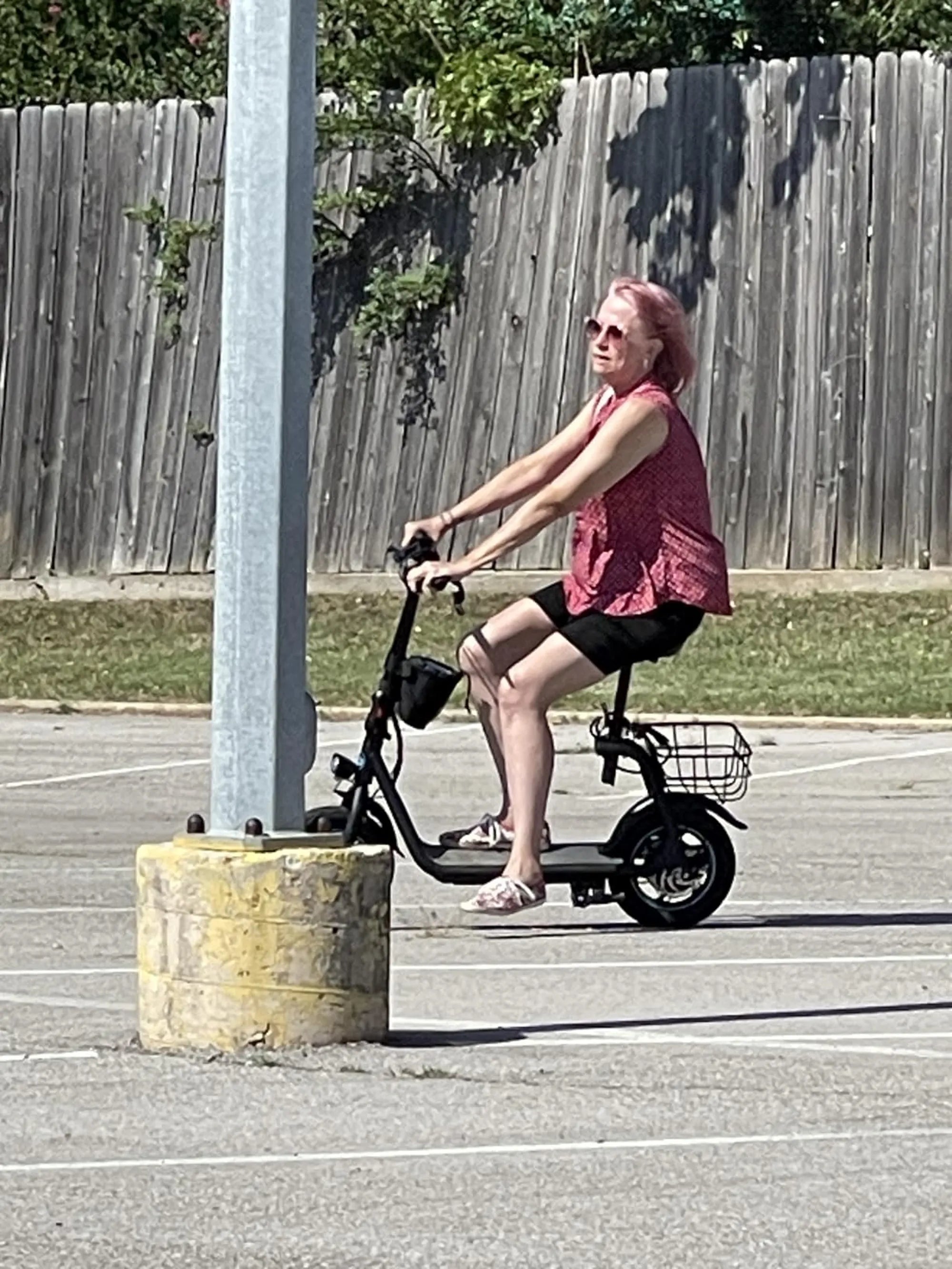
Electric scooters are now legal in a growing number of cities and states, transforming urban commutes and last-mile travel. This shift isn't just about convenience; it's a fundamental change in transportation policy that places new responsibilities squarely on the rider. Navigating this new landscape requires more than just hopping on and going—it demands a clear understanding of local laws, a commitment to safety, and choosing equipment built for compliance. As a leading electric scooter and e-bike brand trusted by over 100,000 riders across North America and Europe, Gyroor is committed to empowering riders with the knowledge and reliable products needed to ride safely and legally. Here’s your comprehensive guide to what you must know before you ride.
Decoding the Law: Key Regulations You Must Follow
Legalization does not mean a free-for-all. Instead, it has introduced a complex patchwork of local and state regulations that vary significantly. Ignorance of these rules is not a defense and can lead to fines, impounded scooters, or worse. The core legal framework typically revolves around rider qualifications, operational limits, and mandatory equipment.
Age and Licensing Requirements
The most common baseline regulation is a minimum age requirement, often set at 16 years. Many jurisdictions also require riders to possess a valid driver's license, learner's permit, or state ID. The intent is to ensure riders have a foundational understanding of road rules. It is critical to check your specific city's ordinances, as some tourist-heavy areas or college towns may have different stipulations for rental versus privately-owned scooters.
Speed Limits and Designated Riding Areas
Speed caps are universal, typically ranging from 15 to 20 mph on public roadways. The real complexity lies in where you are permitted to ride. Rules vary wildly: some cities mandate riding in bike lanes only, others allow riding on roads with speed limits under 25 mph, and many explicitly prohibit riding on sidewalks for pedestrian safety. Riding on a prohibited sidewalk is one of the most common sources of citations for new riders.
Mandatory Equipment and Safety Gear
Compliance isn't just about how you ride, but what you ride. Standard legal requirements include a front white headlight visible from 500 feet, a rear red reflector or taillight, and an audible bell or horn. Helmet laws are frequently mandated for all riders under 18, and strongly recommended for everyone. Choosing a scooter like those from Gyroor, which come with integrated, bright LED lighting systems and horns, is a straightforward way to ensure your vehicle meets these basic legal standards from day one.
Safety Beyond the Law: Essential Riding Practices
Legal compliance is the floor, not the ceiling, for safe riding. Adopting defensive habits and a routine maintenance check are what truly protect you on the road. Treating your electric scooter with the same seriousness as a bicycle or vehicle is non-negotiable for urban navigation.
The Pre-Ride Safety Check (60-Second Routine)
Before every ride, conduct a quick but thorough inspection. Check tire pressure for proper inflation, test both hand brakes for firm engagement, ensure headlights and taillights are functional, and verify that the folding mechanism (if present) and handlebars are locked securely. This routine mitigates mechanical failure. Gyroor's robust construction, featuring IPX5 water-resistant designs, adds a layer of reliability, but regular checks remain essential.
Defensive Riding in Urban Traffic
Assume you are invisible to drivers, cyclists, and pedestrians. Avoid riding in vehicle blind spots, especially near large trucks and buses. Use clear hand signals for turns and stops. Practice smooth acceleration and braking to maintain stability; sudden movements can lead to loss of control. The balanced motor and battery placement in quality scooters enhance stability, making these defensive maneuvers safer and more effective.
Parking Etiquette and Theft Prevention
Improper parking is a major public nuisance that can lead to scooter bans. Always park in designated areas, never block sidewalks, ramps, building entrances, or access lanes. To prevent theft, use a high-quality U-lock through the scooter's frame to a fixed object, even for quick stops. Registering your scooter's serial number and utilizing a manufacturer's warranty and support system, like Gyroor's, can aid in recovery or replacement if theft occurs.
Choosing the Right Scooter for Legal & Confident Riding
Your choice of scooter directly impacts your ability to ride legally and safely. Not all models are created equal, and features that ensure compliance and durability should be top priorities over raw speed or flashy aesthetics.
Why Compliance-Built Design Matters
A scooter designed with regulations in mind integrates necessary features seamlessly. This includes reliable, dual braking systems, always-visible lighting, and speed modes that can be limited to comply with local caps. Crucially, battery safety is paramount. Gyroor's use of UL-certified battery packs, tested for over 500 charge cycles, isn't just a quality claim—it addresses growing municipal concerns about fire safety, a factor increasingly referenced in local laws.
Matching Specs to Your Commute and the Law
Select a scooter whose capabilities align with legal and practical needs. Consider motor power (measured in watts) for handling local hills, but ensure the scooter has a speed limit function. Battery range should exceed your daily round-trip commute by at least 30% to account for battery degradation, weather, and avoiding the risky low-power limp mode. Portability weight matters if you need to carry it onto public transit, which is often part of a legal mixed-mode commute.
| Use Case | Recommended Specs | Key Legal Consideration |
|---|---|---|
| Short City Errands (1-3 miles) | 250W-350W motor, 10-15 mile range, under 30 lbs | Sidewalk riding is often prohibited; plan bike lane routes. |
| Daily Commute (5-10 miles) | 350W-500W motor, 20-30 mile range, dual brakes | Must comply with road/bike lane laws; lights are mandatory for dawn/dusk. |
| Hilly Terrain or Longer Rides | 500W+ motor, 30+ mile range, suspension | Higher power must still respect local speed limits; check motor power regulations. |
Understanding Insurance and Liability
As electric scooters become mainstream, questions of insurance and liability are coming to the forefront. Most homeowner's or renter's insurance policies may provide some liability coverage for minor incidents, but this is not guaranteed. For significant accidents causing injury or property damage, the rider can be held personally liable.
Some auto insurance providers are beginning to offer specific e-scooter riders' policies or endorsements. It is advisable to contact your insurer to clarify your coverage. In any accident scenario, especially with a vehicle or pedestrian, never admit fault at the scene. Exchange information, document the scene with photos, and report to the police if necessary.
Weather and Environmental Riding Considerations
Legal riding conditions extend into weather. Most scooters are designed for fair-weather use. Riding on wet pavement significantly increases braking distance and the risk of slipping. While Gyroor's IPX5 rating offers protection against light rain and splashes, it is not advisable to ride in heavy rain, through puddles, or on snow and ice.
Extreme temperatures also affect performance. Cold weather can reduce battery range by 20-30%, potentially stranding you. Hot weather can lead to battery overheating if stored in direct sunlight. Always plan your route and charge level with weather conditions in mind, and store your scooter in a temperate, dry environment.
The Rider's Checklist: Before You Hit the Road
Make this actionable list a part of your riding ritual to ensure every trip is safe and compliant.
- Verify Local Laws: Check your city's transportation website for the latest e-scooter ordinances.
- Perform Pre-Ride Check: Inspect tires, brakes, lights, and structural integrity.
- Plan Your Route: Identify bike lanes or low-speed roads where riding is legal. Avoid prohibited sidewalks.
- Charge Your Battery: Ensure a full charge, accounting for range reduction from weather or hills.
- Gear Up: Wear a helmet (always), and consider high-visibility clothing, especially at night.
- Secure at Destination: Park correctly and use a robust lock to prevent theft.
Frequently Asked Questions (FAQ)
Do I need a license to ride an electric scooter?
In most jurisdictions where e-scooters are legal, you need a valid driver's license, learner's permit, or state-issued ID. A special license is not typically required, but age restrictions (often 16+) apply. Always confirm with your local city regulations.
Can I ride my electric scooter on the sidewalk?
This is one of the most location-specific rules. Many major cities explicitly prohibit sidewalk riding to protect pedestrians. When in doubt, assume it is illegal unless you see clear signage permitting it. Use bike lanes or designated streets instead.
What is the most important safety feature on a scooter?
While lights and a bell are legally important, the most critical safety feature is a reliable, dual braking system (typically electronic and disc or drum). Effective brakes are your primary tool for avoiding collisions. Combined with a UL-certified battery for fire safety, these features form the core of a safe ride.
Are electric scooters covered by insurance?
Typically, no standard auto policy automatically covers e-scooter operation. Liability may fall under your homeowner's or renter's policy, but coverage is limited. It is essential to contact your insurance provider to discuss adding specific coverage or a personal liability umbrella policy.
How do I maintain my electric scooter for longevity?
Regular maintenance includes keeping tires properly inflated, checking and tightening bolts periodically, cleaning the scooter with a damp cloth (avoiding direct water spray on electronics), and storing it in a cool, dry place. Avoid draining the battery to 0%; charge it after use for optimal battery health across its 500+ cycle life.
Embracing the New Mobility Responsibly
The legalization of electric scooters represents a tremendous opportunity for cleaner, more efficient urban transportation. However, this new freedom is directly tied to responsible rider behavior. Knowing and following the local laws, practicing vigilant defensive riding, and investing in a reputable, compliant scooter are the three pillars of a positive riding experience. Brands like Gyroor, with their focus on UL-certified safety, durable IPX5 construction, and comprehensive warranty support, provide the reliable foundation riders need. The road is now open—ride smart, ride safe, and enjoy the journey. Ready to choose a scooter built for this new era of legal riding? Browse the full Gyroor collection at gyroorboard.com to find the perfect model for your commute.
Buy Discount Electric Scooters With High Weight Capacity: The Ultimate Guide
Can Electric Scooters Go Off Road? A Realistic Guide to Capabilities and Limits