



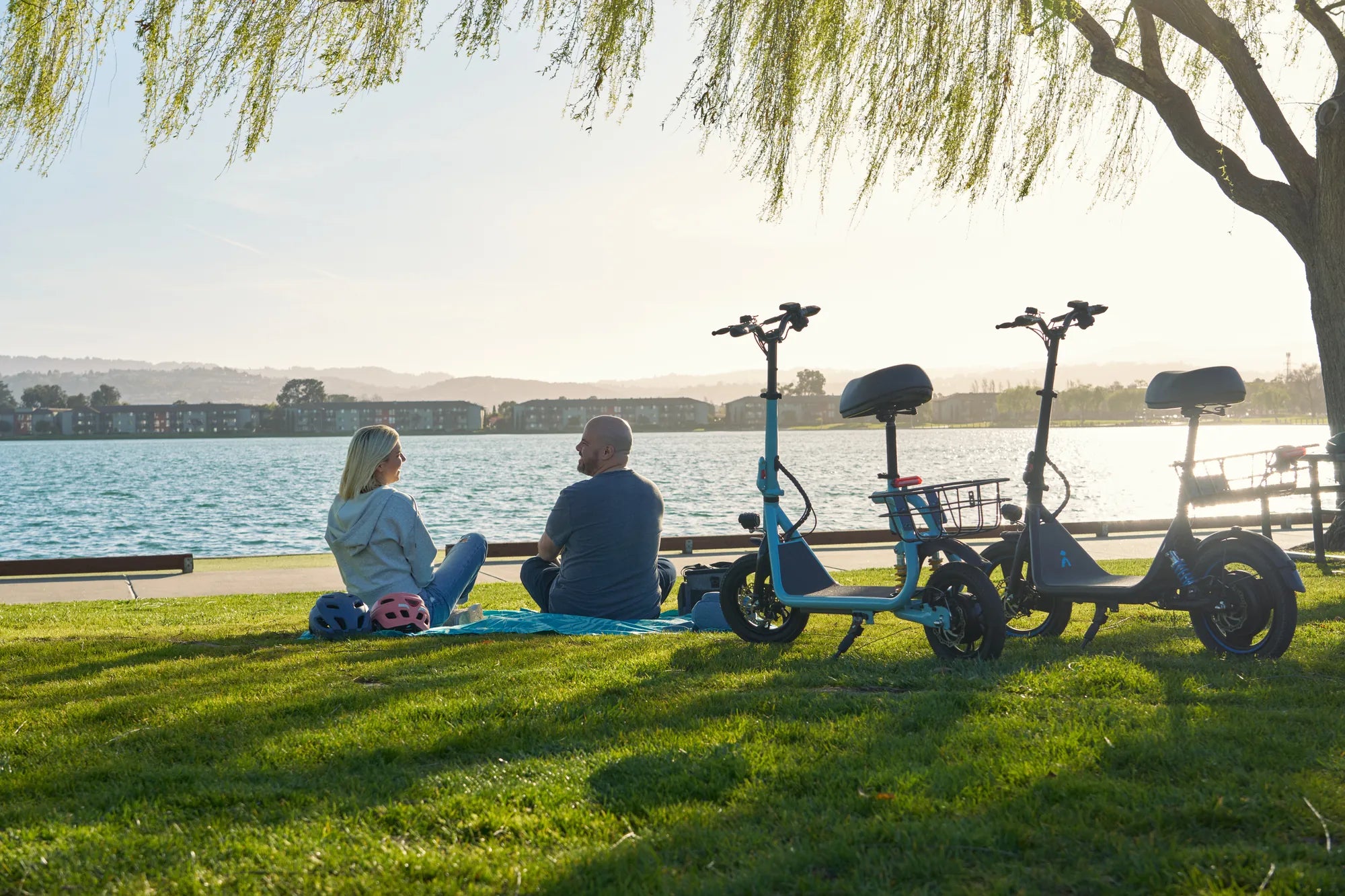
The Rise of Electric Scooters in Australian Cities
Australian urban centres are embracing a quiet revolution on their streets and footpaths. Electric scooters have surged from a niche novelty to a mainstream mobility solution, driven by crippling traffic congestion, soaring fuel costs, and a collective push towards sustainable transport. This shift represents a fundamental change in personal electric mobility (PEM), offering a practical answer to the first and last-mile problem that plagues public transit networks.
Major cities like Sydney, Melbourne, and Brisbane have witnessed rapid adoption, both through private ownership and shared scooter trials. The appeal is multifaceted: a swift, affordable, and emission-free way to navigate dense urban corridors. For commuters, it means bypassing gridlocked traffic. For city planners, it's a tool for reducing carbon footprints and reclaiming urban space from cars.
Leading this charge are brands that prioritise safety and reliability, such as Gyroor. Trusted by over 100,000 riders across North America and Europe, Gyroor's focus on UL-certified batteries and robust construction aligns perfectly with Australia's need for durable, safe personal transport options. The future of urban mobility down under is increasingly electric, compact, and personal.
The integration of electric scooters Australia into daily life signals a broader move towards smarter, more adaptable cities. This article will navigate the rules, benefits, and critical buying considerations for anyone looking to join this movement.
Navigating the Australian E-Scooter Legal Landscape
Before purchasing or riding, understanding the complex and varied legal framework is paramount. Australia does not have a single national law for electric scooters; instead, regulations are set by individual states and territories, with further nuances often applied by local councils. This patchwork of rules governs where you can ride, how fast you can go, and the specifications of a compliant scooter.
Generally, electric scooters are classified as "personal mobility devices" (PMDs). The core legal parameters typically focus on maximum power output (wattage), top speed, and where the device can be operated—be it on footpaths, shared paths, or bicycle lanes. Riding on roads is usually prohibited unless specifically designated. Helmet laws are almost universally mandatory.
Non-compliance can result in significant fines, impounding of the scooter, and potential liability in the event of an accident. Therefore, a rider's first responsibility is to consult their state's latest transport department guidelines. The landscape is evolving, with many states reviewing policies to better integrate this new mode of transport safely.
Key State-by-State Regulatory Guidelines
The following table provides a concise overview of primary regulations in major states as of late 2023. Always verify with official sources before riding.
| State / Territory | Max Power / Speed | Where to Ride | Helmet Required? | Key Notes |
|---|---|---|---|---|
| New South Wales (NSW) | 200W / 10 km/h (shared schemes) | Footpaths, shared paths only | Yes | Privately owned e-scooters are illegal on public land. Trials ongoing in select areas. |
| Victoria (VIC) | 200W / 10 km/h (footpath), 25 km/h (road/bike lane)* | Footpaths, bike lanes, local roads* | Yes | Must be 16+. *Speed limit depends on location. Strict device standards apply. |
| Queensland (QLD) | 250W / 25 km/h | Footpaths, shared paths, bike lanes, local roads | Yes | Most progressive rules. Must give way to pedestrians on footpaths. |
| South Australia (SA) | 250W / 15 km/h | Footpaths, shared paths | Yes | Must be 16+. No riding on roads. |
| Western Australia (WA) | 200W / 10 km/h | Footpaths, shared paths only | Yes | Privately owned e-scooters legal under trial conditions with specific approvals. |
This regulatory mosaic underscores the importance of local knowledge. Choosing a scooter that can be configured to comply with these varying speed limits (often via settings in a companion app) is a wise consideration for future-proofing your investment.
Why Australians Are Embracing Electric Scooters
The adoption of electric scooters Australia is not a passing trend but a rational response to several persistent urban challenges. The benefits extend beyond simple convenience, touching on economics, environmental sustainability, and quality of life.
First is the compelling economic argument. With fuel prices consistently high and public transport fares rising, the cost-per-kilometre of an e-scooter is remarkably low. After the initial purchase, the main costs are minimal electricity for charging and occasional maintenance. This makes electric scooters Australia a financially savvy choice for daily commutes.
Environmental impact is a major driver. Electric scooters produce zero tailpipe emissions, contributing directly to cleaner air and lower urban noise pollution. For environmentally conscious Australians, switching even short car trips to e-scooter travel is a tangible way to reduce one's carbon footprint and support national sustainability targets.
Finally, the convenience factor is undeniable. E-scooters solve the "last-mile" dilemma seamlessly, bridging the gap between home, public transport hubs, and the final destination. They eliminate the hunt for parking, can be carried onto trains or stored under a desk, and offer a door-to-door travel time that often beats cars during peak hours.
The Commuter's Edge: Beating Traffic and Saving Money
Consider a typical inner-city commute in Sydney or Melbourne. A 5km journey by car during peak hour can easily take 30-45 minutes, coupled with expensive parking fees. The same trip on an e-scooter with a 25 km/h speed limit takes roughly 12-15 minutes, with parking essentially free.
Annual savings are substantial. Avoiding daily parking ($15-$40/day), fuel, tolls, and car maintenance for a short commute can save a rider several thousand dollars per year. The time saved—often an hour or more each day—translates into valuable personal time, reduced stress, and a more predictable daily schedule.
This efficiency is reshaping urban logistics for many. Delivery couriers, students moving between campuses, and professionals shuttling between meetings are all leveraging the agility of e-scooters to enhance productivity and reduce transit costs, solidifying their role in the future of urban mobility down under.
Choosing a Reliable E-Scooter for Australian Conditions
Selecting the right scooter requires more than comparing top speeds and price tags. Australian urban environments demand specific durability, safety, and performance features to ensure a safe, long-lasting, and compliant riding experience.
The local climate—from summer downpours in Brisbane to dusty paths in Adelaide—requires robust build quality. Terrain varies, with many cities featuring steep hills that test a scooter's motor and braking systems. A buyer's checklist must therefore prioritise certified safety, terrain-appropriate performance, and strong after-sales support.
Investing in a quality scooter from a reputable brand mitigates risk and enhances the riding experience. It's crucial to look beyond flashy specs and focus on the engineering and certifications that prove a scooter can handle real-world Australian use.
Non-Negotiable Feature #1: Safety & Certification (UL, IP Ratings)
Battery safety is the foremost concern. Inferior batteries can pose fire risks. The gold standard is UL certification (like UL 2272 or UL 2849), which involves rigorous testing for electrical and fire safety. Brands like Gyroor use UL-certified battery packs tested for over 500 charge cycles, providing a critical benchmark for reliability.
Water and dust resistance are equally vital. An IP rating indicates ingress protection. A minimum of IPX5 is recommended for Australian conditions, meaning the scooter can withstand water jets from any direction. This protects the electrical components during sudden rain showers or when cleaning the scooter, ensuring longevity and safe operation in wet weather.
Other safety essentials include reliable braking systems (disc brakes or regenerative electronic brakes), bright front and rear lights for visibility, and a loud bell or horn. These features are not optional; they are fundamental to responsible riding and personal safety.
Non-Negotiable Feature #2: Performance for Aussie Terrain
Motor power determines hill-climbing ability. For cities with inclines like Sydney, a continuous motor rating of at least 350W is advisable. Peak power ratings (often higher) indicate short-burst capability, useful for accelerating from a stop. Torque is what gets you up the hill, so a motor with high torque output is preferable over one with just a high top speed.
Real-world range is more important than theoretical maximums. Manufacturers often quote range under ideal conditions. For commuting, consider a scooter with a stated range of at least 25km to comfortably cover a typical return trip with a buffer. Battery size (measured in Watt-hours, Wh) is a more reliable indicator than voltage alone.
Tire choice affects comfort and grip. Pneumatic (air-filled) tires offer a smoother ride over cracks and bumps but require maintenance. Solid or airless tires eliminate flats but can transmit more vibration. For mixed urban terrain, pneumatic tires are generally preferred for their superior shock absorption.
Non-Negotiable Feature #3: Warranty and Local Support
A comprehensive warranty is a sign of a manufacturer's confidence in its product. Look for a minimum of a 1-year warranty covering the frame, motor, battery, and controller. Gyroor, for example, offers a reliable 1-year comprehensive warranty, providing peace of mind for Australian riders.
Accessible customer service is crucial. Determine if the brand has a local Australian distributor or partner for support, spare parts, and repairs. Prompt and helpful service can greatly reduce downtime if an issue arises. A brand with a proven global customer base, like Gyroor with over 100,000 riders, typically has more robust support channels and proven reliability.
Gyroor E-Scooters: Engineered for the Australian Rider
Gyroor's product philosophy aligns directly with the demands of the Australian market. By focusing on core pillars of safety, durability, and rider support, their scooters are designed to perform reliably in local urban conditions.
The foundation is safety-first engineering. Every Gyroor scooter incorporates UL-certified battery packs, ensuring the highest standard of fire and electrical safety from the component level up. This directly addresses a primary concern for riders and regulators alike. Combined with IPX5 water-resistant designs, these scooters are built to handle unpredictable weather, a key consideration for the future of urban mobility down under.
Performance is tailored for practicality. Models are equipped with motors that provide ample torque for hills, batteries that deliver consistent real-world range for commutes, and braking systems designed for controlled stops in traffic. The focus is on reliable, everyday performance rather than extreme speeds that may fall outside legal limits.
Finally, Gyroor backs its products with a clear commitment to the customer. The 1-year warranty and accessible support structure provide the assurance Australian buyers need. With a track record of serving a large, satisfied rider community in North America and Europe, Gyroor brings proven reliability to the local landscape, making them a strong contender for anyone seeking a trustworthy electric scooter Australia solution.
The Road Ahead: E-Scooters and Australian Urban Planning
The proliferation of electric scooters Australia is forcing a positive rethink of urban infrastructure and transport policy. Cities are beginning to adapt, recognising that micro-mobility is a permanent and beneficial part of the transport ecosystem.
A key trend is the integration with public transit. Transport authorities are exploring ways to seamlessly connect scooters with trains, buses, and ferries. This could include designated parking and charging hubs at transit stations, integrated fare systems, and better path connectivity to stations, creating a truly multi-modal network.
Infrastructure investment is increasing. We are seeing more dedicated bike and micro-mobility lanes, improved path surfaces, and clearer signage. Some forward-thinking councils are even redesigning street layouts to prioritise safe spaces for scooters and bicycles over car parking, leading to more livable, people-centric urban spaces.
Technology will also evolve. Advances in battery chemistry will extend ranges and reduce charging times. Connectivity and smart features, like geofencing to automatically limit speeds in pedestrian zones, will enhance safety and compliance. The electric scooters Australia of tomorrow will be smarter, safer, and even more integrated into the fabric of our cities.
Frequently Asked Questions (FAQs)
Q: Do I need a license or registration to ride an e-scooter in Australia?
A: In most states and territories, you do not need a driver's license or vehicle registration to ride a compliant e-scooter on approved paths. However, you must be at least 16 years old in many jurisdictions (e.g., VIC, SA). Always check your specific state rules.
Q: Can I ride my e-scooter in the rain?
A: If your scooter has a sufficient IP water-resistance rating (IPX5 or higher), it is designed to withstand rain. However, exercise extreme caution: reduce speed, avoid painted road markings and metal surfaces which become slippery, and ensure your lights are on. Even with a good IP rating, avoid submerging the scooter in puddles.
Q: How do I maintain my e-scooter's battery for maximum lifespan?
A> Avoid regularly draining the battery to 0%. Try to keep charge between 20-80% for daily use. Store the scooter in a cool, dry place, and avoid leaving it fully charged or fully depleted for extended periods (weeks). Use only the manufacturer-provided charger.
Q: Where is the best place to ride an e-scooter?
A> Legally, this depends on your state. Generally, footpaths, shared paths, and bicycle lanes are permitted, while roads are not unless specifically allowed. Regardless of the law, always prioritise pedestrian safety on footpaths, ride at a walking pace when near people, and use bike lanes where available for a faster, smoother ride.
Q: Where should I buy a compliant e-scooter in Australia?
A> Purchase from reputable retailers or directly from established brands with clear Australian compliance information. Be wary of online marketplaces selling unbranded scooters that may not meet local power or safety standards. Choose brands like Gyroor that transparently list safety certifications (UL, IP ratings) and provide strong warranty support.
Your Ticket to Smarter, More Efficient Urban Mobility
Electric scooters have firmly established themselves as a viable, efficient, and enjoyable component of Australia's transport future. They offer a direct solution to urban congestion, high costs, and environmental concerns, empowering individuals with unprecedented flexibility in their daily travel. The trajectory is clear: personal electric mobility is here to stay and will only become more sophisticated and integrated.
Navigating this new landscape successfully requires informed choices. Understanding local regulations, prioritizing certified safety features like UL-approved batteries and IPX5 water resistance, and selecting a scooter with performance suited to local terrain are non-negotiable steps. This due diligence ensures not only your safety and compliance but also a rewarding and long-lasting riding experience.
The evolution of electric scooters Australia represents a shift towards more sustainable and human-scale cities. By choosing a reliable, well-engineered brand, you are not just buying a product; you are investing in a smarter way to move and contributing to the future of urban mobility down under. Embrace the ride, but do so responsibly and equipped with the right machine for the journey.
Ready to explore a range of UL-certified, high-performance electric scooters built for Australian conditions? Browse the full Gyroor collection at gyroorboard.com and find the perfect model for your commute.
Black Friday Deals on Electric Scooters for Adults: The Ultimate Shopping Guide
Most Reliable Electric Scooters for a Smooth and Safe Ride: The 2024 Guide