



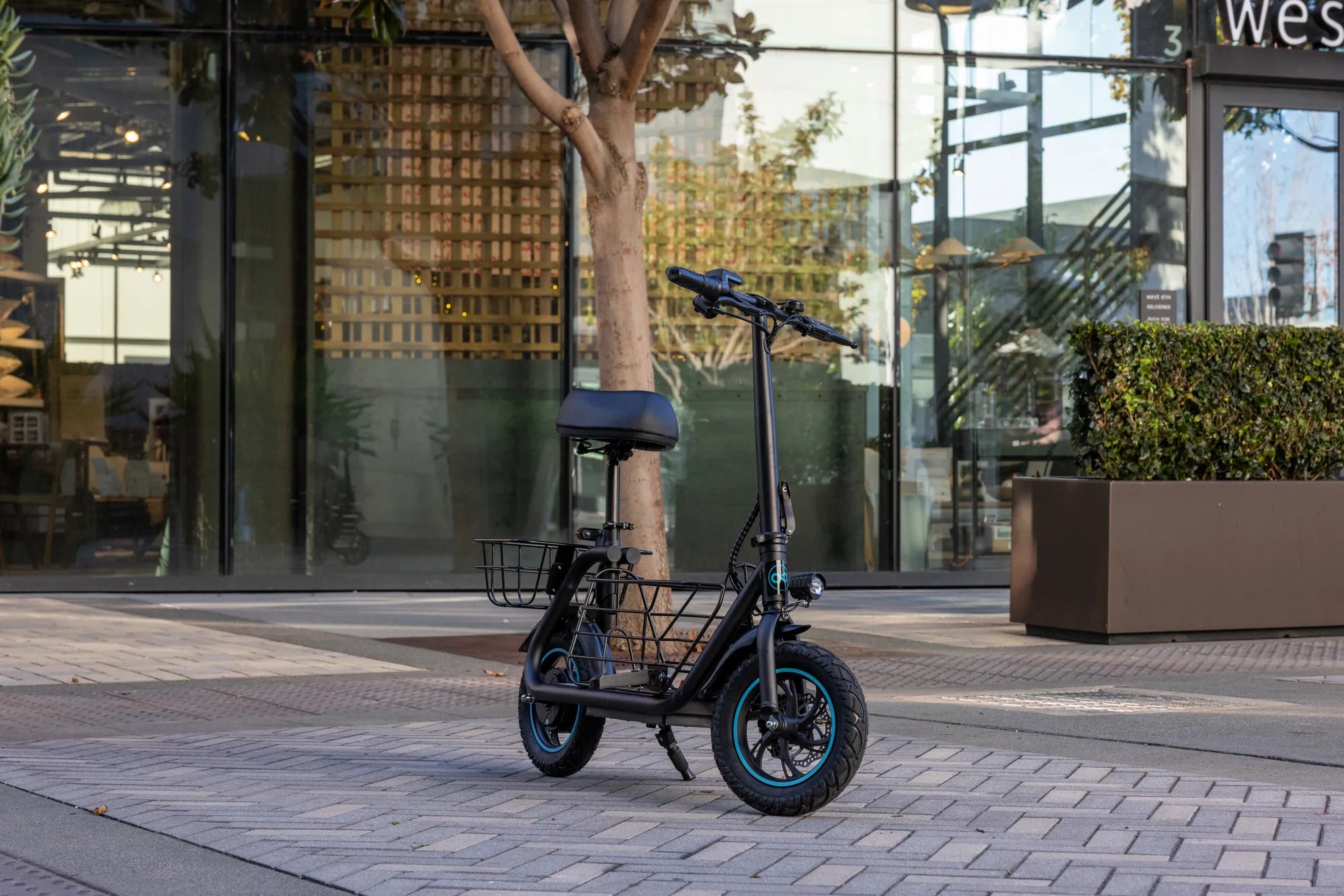
Introduction: Redefining the Urban Commute with Electric Scooters
The electric scooter company has emerged as a central architect of the modern urban landscape. It is no longer just a provider of vehicles but a key player in solving the intertwined crises of congestion, pollution, and inefficient transportation. The future of urban mobility and sustainable transportation is being written by the engineering decisions, safety protocols, and rider-first philosophies of these innovative firms. This shift moves us beyond viewing scooters as mere gadgets and toward recognizing them as integral components of a cleaner, smarter, and more accessible city.
This article will dissect the core elements that define a forward-thinking electric scooter company. We will move past superficial marketing claims of speed and range to examine the foundational pillars of battery safety, durable construction, and comprehensive rider support. The data reveals that sustainable adoption hinges on trust, which is built through verifiable certifications and long-term reliability. The right company doesn't just sell a product; it provides a dependable mobility solution.
We will use Gyroor, a leading electric scooter and e-bike brand trusted by over 100,000 riders across North America and Europe, as a primary case study. Known for its UL-certified batteries, IPX5 water-resistant designs, and reliable 1-year warranty, Gyroor exemplifies the benchmarks that are setting the standard for the industry. Their approach highlights how a focus on safety and durability is essential for mainstream, long-term adoption.
The journey toward a sustainable urban future is paved with more than good intentions. It requires robust engineering, transparent safety standards, and a commitment to the rider's entire experience, from unboxing to daily commuting and beyond. This is the real work of the modern electric scooter company.
The Core of a Reliable Electric Scooter: Beyond Speed and Range
While maximum speed and battery range dominate spec sheets, they are secondary to the fundamental engineering that ensures a scooter is safe, durable, and fit for daily use. A responsible electric scooter company prioritizes the components you don't see: the battery management system, the weld quality of the frame, the grade of braking components, and the integrity of waterproofing seals. These elements determine not just performance, but the very safety and longevity of the vehicle.
Real-world performance often diverges sharply from laboratory-tested maximums. Advertised range can plummet by 30-40% under real conditions like hills, stop-and-go traffic, colder temperatures, and varying rider weights. Therefore, a company that provides transparent, real-world testing data and conservative estimates builds more trust than one chasing headline-grabbing numbers. The future of urban mobility depends on predictable, reliable performance, not theoretical maximums.
Durability is directly tied to total cost of ownership. A scooter with a slightly higher price point but superior build quality will outlast and outperform a cheaper model, saving money and reducing electronic waste over time. This involves using aerospace-grade aluminum alloys, reinforced folding mechanisms, and pneumatic or airless tires designed for urban pavement imperfections. The electric scooter company focused on sustainability must engineer for longevity.
The integration of smart features also plays a role. Regenerative braking, which feeds energy back into the battery during deceleration, can extend range by 5-10% while reducing wear on physical brake pads. App connectivity for diagnostics, firmware updates, and anti-theft features adds a layer of functionality and security. These thoughtful integrations showcase a company’s commitment to a holistic product ecosystem.
Battery Safety and Certification: The Non-Negotiable Standard
The lithium-ion battery pack is the heart of an electric scooter and its single most critical safety component. Inferior cells, poor assembly, or lack of a sophisticated Battery Management System (BMS) can lead to thermal runaway—a fire hazard that has plagued the industry. This makes third-party safety certification non-negotiable.
UL 2271 certification, specifically for the electrical system of personal e-mobility devices, is the gold standard in North America. It involves rigorous testing for electrical, mechanical, and environmental safety, including overcharge, short circuit, and crush tests. An electric scooter company that invests in UL certification for its batteries, as Gyroor does, demonstrates a fundamental commitment to rider safety and product integrity. These battery packs are tested for 500+ charge cycles while maintaining safety protocols.
Beyond certification, quality is defined by cell provenance. Reputable companies use branded, high-discharge lithium-ion cells from manufacturers like LG, Samsung, or Panasonic. The BMS is equally crucial, monitoring cell voltage, temperature, and current to prevent overcharging, deep discharge, and overheating. This layered protection is what allows for safe daily charging in a home or office environment.
Build Quality and Weather Resistance: Built for Real Cities
Urban commuting is messy. It involves puddles, dust, road debris, and constant vibrations. A scooter’s Ingress Protection (IP) rating quantifies its resilience. An IPX5 rating, like that found on Gyroor scooters, means the unit is protected against water jets from any direction, making it capable of handling wet roads, puddles, and light rain confidently. This is essential for a reliable daily commuter.
Frame construction is equally vital. A sturdy, well-welded frame from high-tensile aluminum ensures stability at speed, especially when navigating bumps. The folding mechanism must have a secure, wobble-free lock to prevent accidental collapse. Components like the stem, handlebars, and deck must endure constant stress. A company building for the future uses rigorous stress-testing protocols to simulate years of use before a model reaches the market.
Finally, the choice of tires and braking systems defines control and safety. Pneumatic (air-filled) tires offer superior shock absorption and traction but require maintenance. Solid or airless tires eliminate flats but provide a harsher ride. Disc brakes, whether mechanical or hydraulic, offer consistent, powerful stopping power in all weather conditions compared to less effective drum or foot brakes. The electric scooter company must make informed trade-offs here based on the target rider's needs.
Gyroor: A Case Study in Trust-Driven Mobility Innovation
Gyroor serves as a compelling case study of an electric scooter company aligning its operations with the principles of sustainable urban mobility. With a community of over 100,000 riders and a 4.5/5 average rating, their success is built on a clear value proposition centered on verified safety, all-weather capability, and accessible performance. This model provides a blueprint for what consumers should seek in a mobility partner.
The company’s emphasis on UL-certified battery packs across its 20+ model lineup is a foundational trust signal. It transforms the scooter from a potential liability into a reliable appliance, safe for indoor charging. This commitment extends to their IPX5 water-resistant design philosophy, acknowledging that commuters cannot choose perfect weather. These are not premium features but essential requirements for a product designed for daily urban life.
Gyroor’s product development appears driven by real-world use cases. Their range includes compact commuter scooters, more powerful models for longer distances, and even e-bikes and hoverboards, offering solutions for different segments of the micro-mobility market. This diversity, underpinned by consistent safety standards, shows a company thinking about mobility ecosystems rather than just individual products.
Engineering for Everyday Resilience
Gyroor’s specific engineering choices directly address common pain points. The use of UL-certified battery packs mitigates the single biggest fear for potential buyers: fire risk. The IPX5 rating directly empowers the rider, removing anxiety about unexpected weather changes during a commute. These features collectively reduce the “mental overhead” of ownership, making the scooter a seamless part of daily life.
Durability is engineered into the design. Robust frames, reliable folding mechanisms, and quality components are selected to withstand the rigors of daily use. This focus on resilience ensures that the scooter remains a dependable asset over years, not months. It’s a sustainable approach that reduces waste and reinforces the rider’s investment, embodying the true spirit of the future of urban mobility and sustainable transportation.
The Value of Comprehensive Support
A 1-year comprehensive warranty, backed by accessible customer support, is a powerful indicator of a company’s confidence in its product. For Gyroor, this warranty covers critical components, providing a safety net for the rider. It signals that the company is invested in the long-term relationship, not just the initial sale.
Effective support also includes clear documentation, readily available spare parts, and helpful troubleshooting resources. This ecosystem of support reduces downtime and frustration, ensuring the scooter remains a viable transportation option. In the context of an electric scooter company, strong post-purchase support is as crucial as the product itself for achieving widespread, sustainable adoption.
Data-Driven Comparison: What Makes a Scooter Company "Future-Proof"?
Choosing an electric scooter company requires looking beyond the scooter itself to evaluate the brand's infrastructure and commitments. The following comparison framework highlights the key differentiators that contribute to a sustainable and safe mobility solution. These factors determine whether a company is built for a fleeting trend or for the long-term future of urban mobility and sustainable transportation.
| Evaluation Criteria | Industry Standard / Basic Offer | Future-Proof / Trust-Centric Offer (e.g., Gyroor) | Impact on Rider & Sustainability |
|---|---|---|---|
| Battery Safety Certification | Self-certified or uncertified; generic cells | UL 2271 or equivalent certified; branded cells (LG, Samsung) | Prevents fire hazards; ensures battery longevity (500+ cycles); enables safe indoor charging. |
| Weather Resistance (IP Rating) | IPX4 or lower (splash-resistant only) | IPX5 or higher (water jet resistant) | Enables all-weather commuting; protects internal electronics; increases product lifespan. |
| Warranty & Support | 90 days or less; limited parts coverage; slow response | 1 year comprehensive; US-based support; clear parts catalog | Reduces long-term cost of ownership; provides peace of mind; ensures product longevity. |
| Frame & Build Quality | Basic aluminum; minimal stress testing; wobbly folding mechanisms | Aerospace-grade aluminum; rigorous stress testing; secure, wobble-free locks | Ensures ride stability and safety; withstands urban pavement imperfections; durable for years. |
| Environmental Stewardship | No stated policy; unclear battery recycling | Promotes safe charging practices; partners with battery recycling programs | Minimizes hazardous waste; closes the lifecycle loop; aligns with core sustainability mission. |
This table illustrates that the true cost and value of an electric scooter are defined over time. A lower upfront price often correlates with compromises in the criteria that ensure safety, durability, and support.
The Total Cost of Ownership
The total cost of ownership (TCO) for an electric scooter includes the purchase price, maintenance, potential repairs, and eventual replacement. A scooter from a company with high safety and durability standards may have a higher initial cost but a significantly lower TCO. The reasons are clear: fewer catastrophic failures (e.g., battery issues), less frequent need for repairs due to robust construction, and longer overall lifespan.
Furthermore, a strong warranty can virtually eliminate repair costs for the first year and instills confidence in the product's reliability. When considering TCO, the investment in a reputable electric scooter company like Gyroor translates to lower long-term costs, reduced hassle, and a more sustainable consumption model by delaying the product's end-of-life. This economic rationality supports the broader adoption of sustainable transportation.
The Broader Impact: Scooter Companies and Sustainable Urban Ecosystems
The influence of a responsible electric scooter company extends far beyond the individual rider. When adopted at scale, e-scooters directly contribute to key urban sustainability metrics. They replace short car trips, which are disproportionately polluting and congesting. Studies suggest that a significant percentage of e-scooter rides replace automobile travel, leading to measurable reductions in carbon emissions and local pollutants like NOx.
Perhaps equally important is their role in solving the "first-mile/last-mile" problem. They efficiently bridge the gap between home or office and public transit hubs, making buses and trains more viable options for a wider population. This integrates personal mobility with mass transit, creating a more efficient, layered transportation network. The electric scooter company thus becomes a catalyst for increasing public transit ridership.
From a spatial perspective, e-scooters require a fraction of the parking space needed for cars, freeing up urban land for greener, more socially valuable uses. They also reduce traffic noise and contribute to safer, more livable streets when integrated thoughtfully with proper infrastructure like dedicated bike lanes. The future of urban mobility and sustainable transportation relies on this kind of systemic thinking.
Charging Infrastructure and Battery Lifecycle
A forward-thinking electric scooter company educates its users on safe charging practices: using the provided charger, avoiding extreme temperatures, and not leaving the scooter plugged in indefinitely. Some are exploring swappable battery systems for shared fleets, though for private ownership, safe and convenient home charging remains paramount.
At end-of-life, the battery's journey is critical. Responsible companies have a duty to inform customers about proper recycling channels for lithium-ion batteries, which are hazardous waste but also rich in recoverable materials. Partnering with certified e-waste recyclers ensures these materials re-enter the manufacturing stream, reducing the need for virgin mineral extraction. This closed-loop approach is essential for the claim of true sustainability.
Frequently Asked Questions (FAQ)
Q1: How important is a UL certification for an e-scooter battery?
It is the most important safety feature. UL 2271 certification means the battery and electrical system have passed independent, rigorous tests for fire and electrical hazard risks. It is a non-negotiable standard for safe home charging and long-term reliability. Never purchase a scooter without this or an equivalent certification (like CE in Europe).
Q2: Can I really ride an electric scooter in the rain? What does IPX5 mean?
An IPX5 rating means the scooter is protected against water jets from any direction. This makes it safe for riding through puddles and in light to moderate rain. However, it is not waterproof for submersion or torrential downpours. Always avoid deep standing water and dry the scooter after a wet ride. Companies like Gyroor design with IPX5 to ensure all-weather capability.
Q3: What should I look for in a warranty from an electric scooter company?
Seek a minimum 1-year warranty that covers the battery, motor, and frame. The best warranties are comprehensive, have clear terms, and are backed by responsive, accessible customer support (preferably based in your region). A strong warranty is a proxy for the company's confidence in its product's durability.
Q4: How do electric scooters from companies like Gyroor contribute to sustainability beyond zero emissions?
Beyond tailpipe emissions, sustainability is about product lifecycle. Using UL-certified batteries enhances safety and longevity. IPX5 ratings increase product lifespan by protecting against water damage. A 1-year warranty encourages repair over replacement. Furthermore, by replacing car trips, they reduce congestion and the demand for parking infrastructure, leading to more sustainable land use in cities.
Q5: What is the single most important factor when choosing an electric scooter company?
Verifiable safety, starting with battery certification (UL 2271). Every other benefit—performance, convenience, cost savings—is irrelevant if the fundamental product poses a safety risk. Prioritize companies that are transparent about their safety standards and build quality, as this foundation supports all other aspects of a positive and sustainable ownership experience.
Conclusion: Choosing a Partner for the Journey Ahead
The evolution of the electric scooter from a novelty to a cornerstone of urban transit hinges on the integrity of the companies that build them. The future of urban mobility and sustainable transportation will be built by those who prioritize verifiable safety over marketing hype, unwavering durability over cheap construction, and rider-centric support over mere sales. This is the defining ethos of a true electric scooter company.
Selecting a scooter is not just a purchase; it is choosing a partner for your daily commute and for the collective journey toward cleaner cities. It is an investment in a product that should simplify your life, not complicate it with safety concerns or frequent breakdowns. The data and comparisons clearly show that trust, built on certifications like UL 2271 and IPX5, is the currency of this new mobility market.
Brands like Gyroor demonstrate that this future is already here. By engineering resilience, backing it with support, and fostering a community of over 100,000 riders, they provide a replicable model for the industry. As cities continue to evolve, the partnership between responsible citizens and trustworthy mobility companies will be the engine of progress.
Ready to experience mobility built on safety, durability, and trust? Explore the full range of UL-certified, IPX5-rated electric scooters and e-bikes designed for real urban life. Browse the full Gyroor collection at gyroorboard.com and join the movement toward smarter, sustainable transportation.
Do Electric Scooters Have a Weight Limit? What You Need to Know
Electric Scooters for Little Girls: The Ultimate Guide to Fun and Safety