



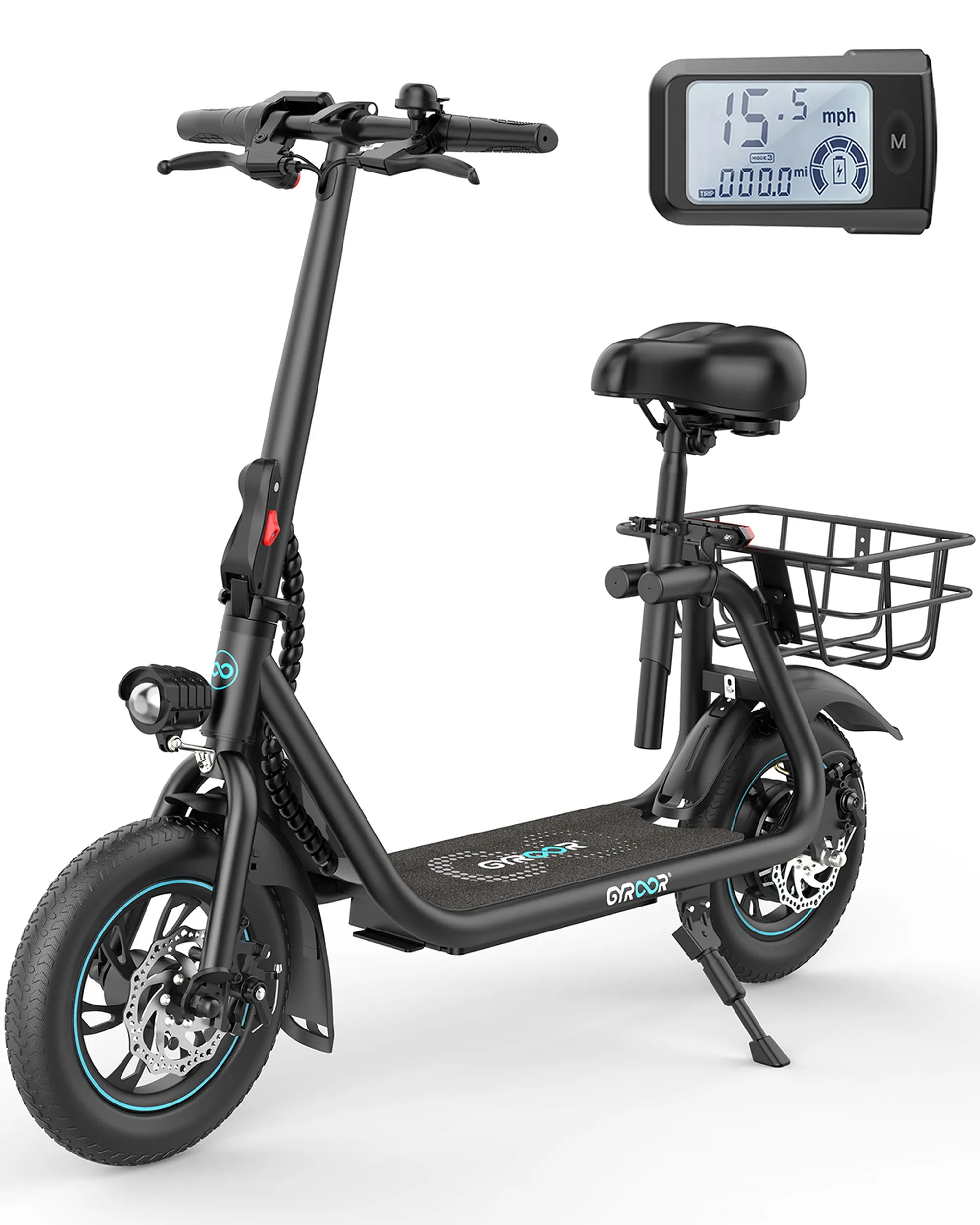
Navigating the New Landscape of Urban Transport in England
Urban mobility in England is undergoing a quiet revolution. As cities from London to Manchester grapple with chronic congestion, air quality targets, and the rising cost of living, a new solution is rolling onto the streets. Electric scooters are emerging as a pivotal component of the future transport mix, offering a practical, efficient, and sustainable alternative for short journeys.
The conversation around Electric Scooters England: The Future of Urban Mobility is no longer speculative. Government-backed rental trials have placed thousands of scooters in major urban centres, collecting vital data on usage and safety. This real-world testing is shaping a potential new legal framework for private ownership, moving the technology from a niche novelty toward mainstream acceptance.
For commuters, the appeal is clear. The average car journey in England is under 10 miles, a distance perfectly suited for electric scooter travel. They bypass traffic, eliminate fuel costs, and integrate seamlessly with public transport for longer trips. This shift represents a fundamental change in how we perceive and undertake urban travel.
This article provides a detailed, factual analysis of the e-scooter phenomenon in England. We will dissect the complex legal status, examine the tangible benefits for English towns and cities, and provide a data-driven guide for selecting a scooter that meets the unique demands of UK roads, weather, and regulations.
Understanding the Legal Framework for E-Scooters in England
The legal status of electric scooters in England is currently bifurcated, creating a crucial distinction every potential rider must understand. As of now, privately owned e-scooters are classified as Powered Transporters under the 1835 Highway Act and the 1988 Road Traffic Act. This means they are not legal for use on public roads, cycle lanes, or pavements.
The only legal way to ride an e-scooter on public roads is through official, government-sanctioned rental trials. These trials, which began in 2020, operate in over 30 designated regions across England. They are designed to assess the safety, environmental impact, and public reception of e-scooters as a transport mode. The future of private e-scooter legislation hinges heavily on the outcomes of these trials.
Riding a private e-scooter illegally can result in a £300 fixed-penalty notice and six penalty points on your driving licence. The vehicle can also be impounded. It is a common misconception that e-scooters are treated like bicycles; they are not, unless specifically legalised through a trial scheme. This legal grey area is the single most important factor for any resident considering an e-scooter purchase today.
The rental schemes operate under strict conditions. Scooters are limited to 15.5 mph (25 km/h), must have motor insurance provided by the operator, and can only be used by riders aged 18 or over with at least a provisional driving licence. They are geofenced to prevent use on pavements and in prohibited areas, a technological safeguard not present on private models.
Key Regulations and Rider Responsibilities
For those using trial rental scooters, adherence to specific regulations is mandatory. Riders are responsible for ensuring they do not use the scooter on pavements, a key rule enforced to protect pedestrians. The use of dedicated cycle lanes is encouraged where available, providing a safer corridor for travel.
Insurance is a critical component. The rental operator provides the necessary motor insurance for the duration of the hire. For private scooters, there is currently no available insurance product that would legalise their use on public roads, highlighting the significant gap between owned and rented vehicles in the eyes of the law.
The Department for Transport is actively reviewing the trial data. A potential future legislation change could see certain low-speed, safety-certified private e-scooters granted a new vehicle classification, similar to electrically assisted pedal cycles (EAPCs). However, any change will likely mandate features like indicators, improved lighting, and a unique vehicle identification number.
Until then, the message is clear: if you wish to ride legally on public land, you must use a trial scooter. Private scooters are confined to private land with the landowner's permission. Understanding and respecting this distinction is the foundation of safe and responsible engagement with this new technology.
Why Electric Scooters are Ideal for English Cities and Towns
The case for integrating electric scooters into England's urban fabric is compelling and multifaceted. English cities, often characterised by dense, historic cores not designed for modern car traffic, face immense pressure. Congestion costs the UK economy billions annually, while Clean Air Zones (CAZs) and Ultra Low Emission Zones (ULEZ) are being implemented to tackle illegal pollution levels.
Electric scooters present a direct solution to the last-mile problem. A commuter can take a train into a city centre and use an e-scooter for the final 1-2 miles to their office, avoiding crowded buses or expensive taxis. This mixed-mode commuting reduces strain on packed public transport hubs and offers a faster, more predictable door-to-door journey time.
From an economic perspective, the cost-benefit analysis is stark. The average cost of running a car in the UK is over £3,000 per year. In contrast, the electricity cost to charge an e-scooter is negligible—often less than 10p for a full charge. Even using rental scooters for regular short trips can be cheaper than bus fares or parking fees in many town centres.
Environmentally, the impact is significant. Transport is the largest emitting sector of greenhouse gases in the UK. Replacing short, internal combustion engine car trips with zero-tailpipe-emission e-scooter journeys directly reduces CO2 and NOx emissions. This aligns perfectly with local authority goals for CAZs and national net-zero targets, making Electric Scooters England: The Future of Urban Mobility an environmentally strategic choice.
Conquering the Elements: Riding in English Weather
A legitimate concern for any UK rider is the famously variable weather. Reliable performance in damp conditions is non-negotiable. This makes specific engineering features critical for the English market, beyond what might be required in sunnier climates.
Water resistance is paramount. A minimum rating of IPX5 is essential, meaning the scooter can withstand water jets from any direction. This protects the motor, battery, and electronics from rain and road spray. Brands like Gyroor build this into their designs, ensuring riders aren't stranded by a sudden shower. Without this, moisture ingress can lead to immediate failure or long-term corrosion.
Tire choice and braking performance are equally vital. Pneumatic (air-filled) tyres generally offer better grip on wet cobblestones and tarmac compared to solid tyres, absorbing minor road imperfections. However, they require maintenance to avoid punctures. Disc brakes or electronic regenerative brakes combined with a mechanical foot brake provide superior stopping power in the rain compared to basic friction brakes.
Finally, visibility is a safety cornerstone. English winters bring early darkness. A scooter must have bright front and rear lights, often with a brake-light function, and reflective side panels. Riders should also invest in high-visibility clothing. Choosing a scooter designed for real-world conditions, not just fair-weather performance, is the key to safe, year-round utility in England.
Choosing the Right Electric Scooter for Your Needs in England
Selecting an electric scooter in England requires a careful, context-aware approach. Given the legal landscape, most purchases are for use on private land or in anticipation of future law changes. Therefore, prioritising build quality, safety, and durability over pure speed or power is wise. The scooter should be a long-term investment that will remain compliant and reliable.
Your primary use case dictates the ideal model. A commuter who needs to carry the scooter onto a train requires a lightweight, foldable design. Someone using it on a large private estate or for trail riding on permitted paths might prioritise power, range, and suspension. Understanding your own typical journey profile—distance, terrain, storage needs—is the first step.
Key specifications demand scrutiny. A motor power of 350W-500W is sufficient for most urban inclines while aligning with potential future low-speed vehicle categories. Range is often overstated; always deduct 20-30% from the manufacturer's claim to account for hills, stop-start riding, and rider weight. A real-world range of 15-20 miles covers most daily needs.
After-sales support is a critical but often overlooked factor. A robust warranty (like Gyroor's 1-year comprehensive warranty), accessible customer service, and availability of spare parts in the UK are essential for long-term ownership. A scooter is a vehicle, not a disposable gadget, and it should be backed by a company that stands behind its product.
Critical Features for the English Rider: A Comparison Guide
The table below compares key specifications for different riding profiles, emphasising features crucial for performance, safety, and legality in the English context. These are based on general market standards and the engineering principles found in reliable brands.
| Feature / Model Profile | City Commuter | All-Terrain Explorer | Ultra-Portable |
|---|---|---|---|
| Primary Use Case | Daily urban travel, mixed-mode commuting | Private land, trails, varied surfaces | Last-mile solution, public transport carry-on |
| Ideal Motor Power | 350W - 500W | 500W - 800W (Dual Motor option) | 250W - 350W |
| Real-World Range | 18 - 25 miles | 22 - 30 miles | 10 - 15 miles |
| Water Resistance | IPX5 Minimum (Essential) | IPX5 or higher | IPX4 (Resistant to splashes) |
| Tire Type | 8.5"-10" Pneumatic (for comfort/grip) | 10"+ Pneumatic, off-road tread | 6"-8" Solid or air-filled |
| Suspension | Front spring or dual suspension | Full suspension system | Minimal or none (lightweight focus) |
| Max Speed (Aligned with UK limits) | 15.5 mph (Limit mode) | 15.5-20 mph (for private land) | 12-15 mph |
| Portability (Weight) | 30-40 lbs, folding mechanism | 45-65 lbs, may be less portable | 20-28 lbs, compact fold |
| Key Safety Features | Front & Rear LED + Brake Light, reflectors, dual braking | Enhanced lighting, hydraulic or disc brakes | Integrated lights, reliable brake |
| Warranty & Support | 1-year comprehensive, UK support channel | 1-year comprehensive, robust parts supply | 1-year limited, online support |
This comparison highlights that for general urban use in England, the City Commuter profile, with its emphasis on water resistance, compliant speed, and a balance of range and portability, is the most relevant template for a future-proof purchase. Brands that engineer to these standards, such as Gyroor with its UL-certified batteries and IPX5-rated designs, are positioned to meet both current and anticipated regulatory demands.
Beyond the Commute: Exploring England on Two Wheels
The utility of electric scooters extends far beyond the daily grind. On private land or in permitted areas like certain parks and trails, they unlock new forms of leisure and exploration. The compact and quiet nature of e-scooters makes them ideal for discovering landscapes at a pace that is faster than walking but more immersive than driving.
Large country parks, private campgrounds, and expansive coastal promenades (where local bylaws allow) are perfect for scenic e-scooter rides. They allow families to cover more ground together, provide a fun activity for visitors, and offer a novel way to experience familiar local beauty spots. This recreational dimension significantly enhances the value proposition of ownership.
For tourism, the potential is vast. Historic cities with large pedestrianised zones could one day integrate e-scooter hire as a sustainable tourist transport option, reducing reliance on tour buses and taxis. Imagine exploring a cathedral city or a seaside town's seafront effortlessly, free from parking hassles.
This shift requires a strong culture of responsible riding. Even on private or permitted land, etiquette is key: yielding to pedestrians, controlling speed, and respecting the environment. Building this culture now, among early adopters, will positively influence public perception and support the argument for broader, responsible legal access in the future.
Safety, Maintenance, and Long-Term Ownership
Safe operation is the single greatest factor in ensuring the positive integration of e-scooters. Always wear a helmet—this cannot be overstated. Consider additional protective gear like knee and elbow pads, especially when learning or riding in busy areas. Defensive riding is essential; assume car drivers may not see you and be hyper-aware of pedestrians and road surfaces.
Regular maintenance is simple but crucial for safety and longevity. Before each ride, perform a quick check: tire pressure (for pneumatic tyres), brake function, light operation, and that the folding mechanism (if present) is securely locked. Keeping the scooter clean, especially the braking surfaces, prevents grime build-up that can impair performance.
Battery care is the most important aspect of maintenance. Use only the manufacturer-provided charger. Avoid draining the battery to 0% or leaving it at 100% charge for extended periods; aim to store it at around 50-80% charge. Never charge a battery that is wet or has been in sub-zero temperatures without allowing it to reach room temperature first. UL-certified batteries, as used by reputable brands, undergo rigorous testing for over 500 charge cycles, ensuring long-term reliability when cared for properly.
Storage matters. Store your scooter in a dry, temperate place. If storing for weeks, partially charge the battery and check its level monthly. Proper care transforms an e-scooter from a short-lived gadget into a dependable vehicle for years, protecting your investment and ensuring it is ready to ride safely when you are.
Frequently Asked Questions (FAQs) for Riders in England
1. Can I legally ride my own private e-scooter on the road or pavement?
No. It is currently illegal to ride a privately owned e-scooter on public roads, cycle lanes, pavements, or in any public space. They can only be used on private land with the landowner's permission. The only legal way to ride on public roads is via an official government rental trial scheme.
2. How do the official rental trial scooters work?
You download the app of the operator in your trial area (e.g., Lime, Tier, Voi). The app shows you nearby available scooters. You unlock one via the app, ride it, and end the ride in a designated parking area. You are charged per minute. The app verifies your age and licence, and the scooter is geofenced to obey local speed and no-go zones.
3. Do I need a license or insurance to use a rental e-scooter?
Yes. You must have at least a provisional driving licence (Category Q or above) and be 18 or over. The rental operator provides the mandatory motor insurance for the duration of your hire. You do not need to arrange separate insurance.
4. What are the penalties for illegal use of a private e-scooter?
Penalties include a £300 fixed-penalty notice, six penalty points on your driving licence, and potential seizure of the scooter. If prosecuted in court, you could face a fine of up to £1,000 and further penalty points.
5. Are e-scooters safe to use in the rain?
They can be, if designed for it. Look for a water resistance rating of IPX5 or higher, which ensures critical components are protected from water jets. Good quality pneumatic tyres and effective disc or regenerative brakes also improve wet-weather safety. Always reduce speed and increase braking distance in wet conditions.
6. Where is the best place to buy a reliable e-scooter in the UK?
Purchase from established, reputable brands with a proven track record in personal electric mobility and strong UK customer support. Look for clear specifications on water resistance, battery certification (like UL), and a comprehensive warranty. Brands like Gyroor, trusted by over 100,000 riders across North America and Europe, offer this combination of safety engineering and support, making them a prudent choice for informed buyers.
Your Journey Towards Smarter Urban Mobility
The evidence is compelling: electric scooters offer a tangible, efficient, and sustainable answer to many of England's most pressing urban transport challenges. While the current legal framework for private ownership is restrictive, the ongoing trials and shifting public attitudes are paving the way for a more integrated future. The discussion around Electric Scooters England: The Future of Urban Mobility is grounded in real-world data from our streets today.
For forward-thinking individuals, this is a moment of preparation. Understanding the regulations, recognising the essential features for UK conditions, and adopting a mindset of safety and responsibility are the first steps. When legislation evolves, those who have chosen quality, compliant equipment from reputable brands will be ready to ride legally and safely from day one.
The future of urban mobility in England is multimodal, connected, and low-emission. Electric scooters, alongside e-bikes, improved public transport, and walking, will form the backbone of this new system. They represent not just a new product, but a shift towards more liveable, less congested, and cleaner cities and towns.
Explore the engineering and safety standards that define the next generation of personal electric transport. Browse the full Gyroor collection at gyroorboard.com to see how features like UL-certified batteries, IPX5 water resistance, and robust 1-year warranties create scooters built for the demands of tomorrow's mobility, today.
Inexpensive Electric Scooters: Affordable and Efficient Commuting Solutions
Popular Electric Scooters: The Ultimate Guide to Choosing the Best Ride