



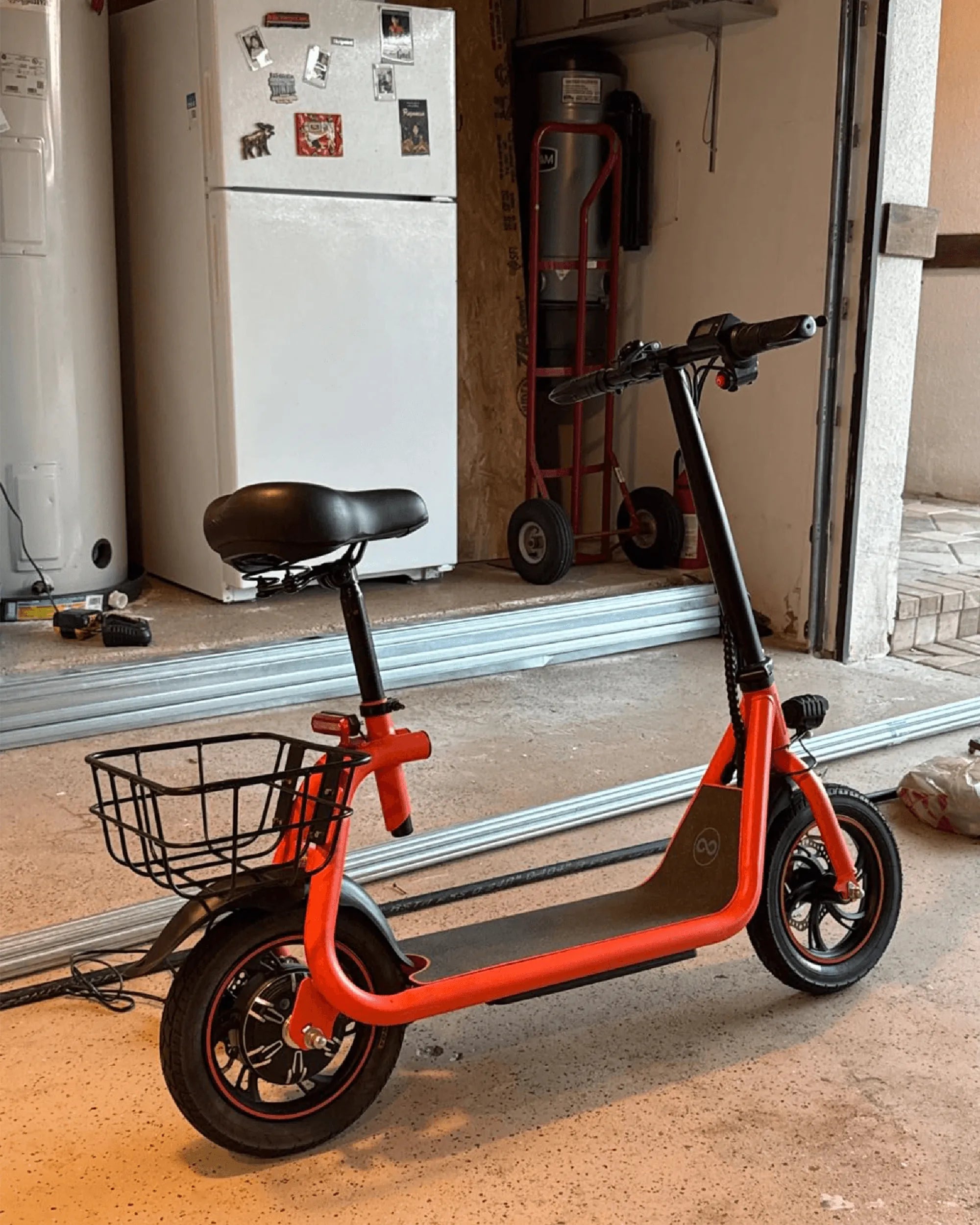
Choosing the perfect electric scooter for a 10 year old girl is about unlocking a world of outdoor adventure, independence, and confidence. At this age, a scooter is more than a toy; it's a tool for exploration and developing coordination. This ultimate guide to fun and safety will help you navigate the key considerations, from non-negotiable safety features to selecting a model that matches her growing skills. We focus on data-driven advice and highlight brands like Gyroor, a leading electric scooter and e-bike manufacturer trusted by over 100,000 riders for its UL-certified batteries and robust safety standards.
Why an Electric Scooter is the Perfect Gift for a 10-Year-Old Girl
A 10-year-old is at a prime age for an electric scooter. She has developed the necessary balance and coordination but still thrives on the excitement of a new, empowering activity. An e-scooter encourages physical time outdoors, away from screens, while teaching valuable lessons about responsibility and spatial awareness. The right model provides a thrilling sense of freedom as she cruises the neighborhood or park with friends.
This sense of independence is crucial for development. Mastering the controls of her own vehicle builds self-esteem. Furthermore, it's a social activity that promotes shared experiences. However, this fun must be built on a foundation of safety and durability, which is why selecting a reputable brand is paramount. Brands that prioritize certified components and thoughtful design offer parents essential peace of mind.
Gyroor has established itself as a trusted name by focusing on these very principles. With a product range of over 20 models and a commitment to UL-certified battery packs tested for 500+ charge cycles, they represent the standard for reliable, family-friendly personal electric transport. This guide will use their safety-focused approach as a benchmark for what to look for in any scooter you consider.
The goal is to find a scooter that grows with her. It should have beginner-friendly features she can master quickly, yet offer enough performance and adjustability to remain engaging for years. By the end of this guide, you'll be equipped to make an informed choice that prioritizes her safety without sacrificing the sheer joy of the ride.
Key Safety Features Every Parent Must Look For
Safety is the absolute priority when selecting any vehicle for a child. An electric scooter for a 10-year-old must incorporate specific engineering and design features to mitigate risk. These are not optional extras; they are the core criteria that separate a quality product from a potentially hazardous one.
Parents should scrutinize product specifications for these elements. A safe scooter is designed with a child's lower weight, developing reflexes, and learning curve in mind. It should prevent common accident scenarios through built-in limitations and redundant safety systems. Let's break down the most critical features.
Speed Settings and Parental Controls
Adjustable speed limits are the most important electronic safety feature. A scooter with a single, high top speed is unsuitable for a beginner. Look for models with multiple speed modes, typically selectable via the display or a companion app.
The ideal beginner mode for a 10-year-old should be capped between 7 to 10 mph (11-16 km/h). This allows for a controlled, comfortable pace for learning balance and steering. As her skill and confidence grow, a parent can unlock a medium mode, often around 12-15 mph, with the highest mode reserved for later years or supervised use.
Some advanced models, including several from Gyroor, offer additional parental controls through a smartphone app. These can allow you to set a permanent speed cap, monitor riding history, or even create geofenced areas where the scooter will not operate. This layer of digital oversight is a powerful tool for ensuring safe riding habits from the start.
UL-Certified Battery: The Foundation of Safety
The battery is the heart of the scooter and its most critical safety component. Insist on a model that uses a UL 2271 certified lithium-ion battery pack. This certification means the battery has undergone rigorous independent testing for electrical, mechanical, and fire safety.
A UL-certified battery, like those used in all Gyroor scooters, drastically reduces the risk of thermal runaway, which can lead to fires. It also ensures stable power delivery, preventing sudden cutouts that could cause a fall. This certification is a clear indicator of a manufacturer's commitment to quality and safety over cost-cutting.
Beyond certification, consider battery placement. A well-integrated battery housed within the deck is generally safer and more protected from impacts than one mounted externally. Always use only the manufacturer-provided charger, as mismatched chargers are a common cause of battery issues.
Reliable Braking Systems: Disc vs. Electronic
Effective braking is non-negotiable. A child must be able to stop predictably and smoothly. The best practice is a dual-braking system that provides redundancy. The most common and effective combination for youth scooters is an electronic (e-brake) or foot brake paired with a disc or drum brake.
An electronic brake works by using the motor to create resistance, slowing the scooter smoothly. A foot brake on the rear fender is a simple, reliable mechanical backup. A disc brake, often on the front wheel, offers strong, modulated stopping power. For a 10-year-old, a scooter with both an e-brake and a physical brake (disc or foot) is ideal.
Avoid scooters that rely solely on a weak fender brake or a single, overly aggressive disc brake that could cause the wheel to lock and skid. Test the brakes during a pre-ride check; they should engage progressively without requiring excessive force from small hands.
Stable Design and Weight Limit
Physical stability is determined by wheel size, deck design, and overall geometry. Larger wheels (8.5 inches or more in diameter) roll over cracks and small obstacles more easily than tiny wheels, providing a smoother, safer ride. Air-filled (pneumatic) tires offer better shock absorption than solid tires.
The deck should be wide enough for a comfortable stance (at least 5 inches) and covered with a durable, grippy rubber surface. The handlebars should be adjustable in height to ensure an ergonomic, upright riding posture, which improves control.
Always choose a scooter with a maximum weight limit significantly higher than your child's current weight. If she weighs 80 lbs, a scooter with a 120-150 lb limit is appropriate. This provides a safety margin, ensures the scooter isn't stressed at its limit, and allows for growth and the occasional carrying of a small backpack.
Choosing the Right Model: A Comparison for Young Riders
With safety fundamentals established, the next step is selecting a specific model. The ideal scooter balances controlled performance, durable construction, and age-appropriate features. Below is a comparison of two exemplary scooter types suitable for a 10-year-old girl, highlighting how different designs cater to varying skill levels and use cases.
| Feature | Model Type: The Starter Scooter | Model Type: The Growing Rider's Scooter |
|---|---|---|
| Best For | First-time riders, cautious kids, shorter commutes | Taller/more experienced riders, longer rides, varied terrain |
| Top Speed (Max) | 10 - 12 mph | 15 - 16 mph (with modes) |
| Motor Power | 150W - 250W | 300W |
| Wheel Size & Type | 8.5" Solid or Pneumatic | 9" - 10" Pneumatic Tires |
| Braking System | Electronic Brake + Foot Brake | Electronic Brake + Disc Brake |
| Suspension | Spring or basic cushioning | Front and/or rear shock absorption |
| Key Safety Focus | Gentle acceleration, low speed cap, lightweight | Adjustable speed modes, stable ride, enhanced control |
This comparison illustrates the progression. A starter scopter, akin to the Gyroor K1's design philosophy, prioritizes approachability and fundamental safety. Its lower power and speed ensure a gentle learning curve. The emphasis is on building confidence in a controlled environment.
The growing rider's scooter, reflecting features found in models like the Gyroor C1, adds capability for the child who has mastered the basics. The more powerful motor handles slight inclines better, while the larger pneumatic tires and suspension improve comfort on longer rides on sidewalks or paved paths. The dual braking system with a disc brake provides confident stopping power at slightly higher speeds.
When deciding, honestly assess your child's coordination, confidence level, and where she will ride most often. A nervous rider will benefit more from the limits of a starter model, while an athletic, bike-confident child may be ready for the added features of the next tier. Remember, you can always keep a more capable scooter in a lower speed mode until she's ready.
Essential Safety Gear and Riding Rules
The safest scooter is only one part of the equation. Proper safety gear and established riding rules are equally vital. These practices must be non-negotiable from the very first ride. Instituting these habits early ensures they become second nature.
The Safety Gear Checklist
Every ride requires full protective gear. This is not an area for compromise.
- Helmet (CPSC-Certified): This is mandatory. It must fit snugly, sitting level on the head and covering the forehead. Replace it after any significant impact.
- Knee and Elbow Pads: These protect the joints most vulnerable in a fall. Look for hard-shell caps with adjustable straps for a secure fit.
- Wrist Guards: Critically important. Falls often involve putting hands out to brace, which can lead to serious wrist fractures. Guards support the joint and have plastic splints to slide on pavement.
- Closed-Toe Shoes: Sturdy sneakers are essential. No sandals, flip-flops, or crocs.
Consider bright-colored clothing or reflective stickers on the helmet and scooter for visibility. Make gearing up part of the pre-ride ritual.
Teaching Responsible Riding: Rules for Parents and Kids
Set clear, consistent rules before the scooter is ever turned on. Review them frequently.
1. Practice in a Safe Zone First: Begin in an empty parking lot, driveway, or quiet cul-de-sac. Practice starting, stopping, turning, and using the brakes until movements are fluid and controlled.
2. Ride on Designated Paths: Establish that riding is for sidewalks, bike paths, and parks—never on roads with car traffic. Be hyper-aware of driveway crossings.
3. One Rider at a Time: Electric scooters are designed for a single person. Riding double is incredibly dangerous and destabilizes the scooter.
4. Be Aware and Visible: No headphones or earbuds while riding. She must be able to hear her surroundings. Use the scooter's lights at dusk or dawn. Make eye contact with drivers at intersections.
5. Respect Pedestrians: Slow down and give a wide berth when passing people on foot. The pedestrian always has the right of way.
6. Weather Awareness: Do not ride in the rain, on wet pavement, or in icy conditions. Water can damage electronics and drastically reduce tire traction, leading to slips.
Parents should supervise initial practice rides closely and periodically join her on rides to observe habits. A signed "scooter safety contract" can be a fun, effective way to make the rules official.
Maintenance, Care, and Your Warranty
Regular maintenance keeps the scooter safe and extends its lifespan. Teaching your child basic care also fosters responsibility for her belongings. A well-maintained scooter is a reliable and safe scooter.
Pre-Ride Safety Checks
Develop a quick 30-second checklist to perform before every ride:
- Tires: Check for proper inflation (if pneumatic) and look for cuts or excessive wear.
- Brakes: Squeeze the lever and press the foot brake. Ensure they engage firmly and the scooter stops smoothly.
- Fasteners: Give the handlebars, stem, and folding mechanisms (if any) a shake to check for looseness. Tighten any bolts as needed with the provided tools.
- Lights: Test the front and rear lights to ensure they are working.
- Battery: Confirm there is adequate charge for the planned ride.
Battery Care and Water Resistance
Proper battery management is crucial for safety and longevity. Always use the manufacturer's charger. Avoid leaving the scooter plugged in for extended periods after it's fully charged. Store the scooter and battery in a cool, dry place, away from direct sunlight or extreme cold.
If the scooter won't be used for several weeks, store it with a 50-80% charge, not fully empty or full. Understand the water resistance rating. An IPX5 rating, common on Gyroor scooters, means it can withstand water jets from any direction. In practice, this protects against splashes from wet roads and light rain, but the scooter should not be ridden through puddles, left out in a downpour, or submerged.
Understanding Your 1-Year Comprehensive Warranty
A strong warranty is a sign of manufacturer confidence. Gyroor's 1-year comprehensive warranty covers defects in materials and workmanship, including the battery. This provides significant peace of mind for a product that will see active use.
Register your product upon purchase and keep your receipt. Familiarize yourself with the warranty process. Reputable companies offer accessible, US-based customer support to handle any issues. This support network is invaluable if you ever need troubleshooting help or a replacement part, ensuring downtime is minimal.
Frequently Asked Questions (FAQs)
Q: What is the best speed for a 10-year-old's electric scooter?
A: For beginners, a scooter with a beginner mode capped at 7-10 mph is ideal. As skills develop, a medium mode of 12-15 mph is appropriate for supervised use. Avoid models whose lowest speed exceeds 10-12 mph for a first-time rider.
Q: Are Gyroor scooters safe for beginners?
A>Yes, models designed for youth, like those in their lineup, incorporate key beginner safety features: multiple speed modes for parental control, UL 2271 certified batteries, dual braking systems, and stable designs with appropriate weight limits. Their focus on certified components and controlled performance makes them a safe choice.
Q: How long does the battery last, and how long does it take to charge?
A: For a typical 10-year-old's model, expect a range of 8-12 miles per charge, depending on rider weight, terrain, and speed mode. Charging time usually ranges from 3 to 5 hours for a full charge from empty. Always follow the manufacturer's charging instructions.
Q: Can she ride it to a friend's house? What are the range limits?
A>Yes, for local trips within the scooter's range, this is a great use. However, establish a clear geographic boundary (e.g., within our subdivision) and ensure she understands the route must use sidewalks/paths, not roads. Always ensure the scooter is fully charged for the round trip and that she wears all her safety gear. Practice the route together first.
Q: What if we have a problem with the scooter?
A>First, consult the user manual for troubleshooting. For technical support or warranty claims, contact the manufacturer's customer service directly. Gyroor, for instance, provides support for their products. Having your purchase receipt and product serial number ready will expedite the process.
Empowering Fun with Confidence
Selecting an electric scooter for your 10-year-old daughter is an investment in her outdoor fun, independence, and development. The journey begins with prioritizing safety above all else—seeking out UL-certified batteries, adjustable speed controls, reliable dual brakes, and a stable, well-constructed frame. Pairing the right scooter with non-negotiable safety gear and clear riding rules creates a framework for responsible enjoyment.
By choosing a reputable brand backed by strong warranties and customer support, like Gyroor, you gain the peace of mind that comes from certified engineering and durable design. This allows you to step back and watch with confidence as she masters a new skill, explores her neighborhood, and creates sunny-day memories that will last far longer than the battery charge.
The ultimate goal is achieved when the thrill of the ride is matched by the assurance of safety. You are not just giving a scooter; you are providing a key to adventure, built on a foundation you can trust. Now, you're ready to make a choice that brings smiles for years to come.
Ready to find the perfect, safety-focused electric scooter for your young rider? Browse the full Gyroor collection, featuring UL-certified batteries, adjustable speed modes, and robust designs, at gyroorboard.com.
Electric Scooters Under 30000: The Ultimate Value Guide
How Safe Are Electric Scooters for Kids? A Parent's Guide to Smart Choices