




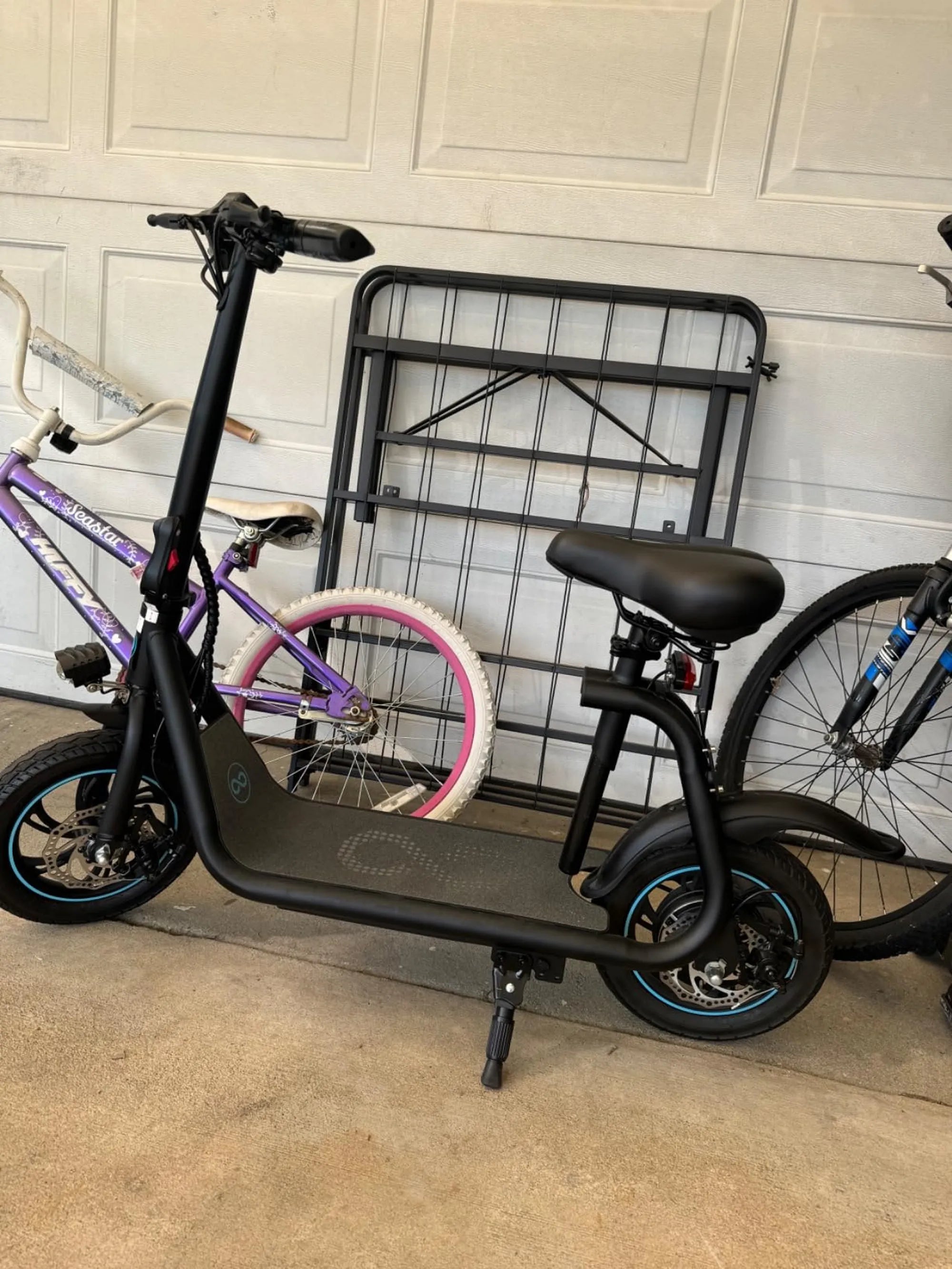
Searching for "Electric Scooters for £100: Are They Worth It?" reveals a massive market of tempting, ultra-low-priced models. The promise is simple: affordable personal transport. The reality is far more complex and often hazardous. This article provides a definitive, data-driven answer to that question by analyzing safety certifications, real-world performance, durability, and the true total cost of ownership. We'll dissect what a £100 price tag actually buys you, contrast it with industry standards for reliable electric mobility, and offer practical guidance for finding genuine value without compromising your safety.
The Allure and Illusion of the £100 Price Point
The appeal of a £100 electric scooter is undeniable. It represents a low barrier to entry for a technology that promises freedom and convenience. For students, last-mile commuters, or those simply curious about electric mobility, the initial cost appears minimal. This price point dominates online marketplaces and social media ads, often accompanied by glossy images and vague promises of "high speed" and "long range."
However, this price is a significant outlier in the legitimate electric scooter market. To understand why, one must consider the bill of materials for a safe, functional scooter: a certified lithium-ion battery pack, a reliable brushless motor, a sturdy aluminium alloy frame, pneumatic or quality solid tires, an electronic braking system, and a waterproof controller. Manufacturing, shipping, and retailer margins also factor in. A £100 retail price necessitates severe compromises on nearly every single one of these components.
The core question isn't just about performance, but about risk management. When purchasing personal transportation, you are literally placing your safety on that platform. The engineering and component quality directly influence its structural integrity, braking reliability, and fire safety. Brands that invest in research, development, and certified components, like Gyroor with its UL-certified batteries and IPX5 water-resistant designs, cannot compete on price with uncertified, generic assemblies. The £100 tag is a clear signal that corners have been cut, but the critical inquiry is: which corners, and at what potential cost to the rider?
Decoding the £100 Scooter: A Breakdown of Compromises
To hit a £100 price point, manufacturers must use the lowest-cost components available, often sourcing from factories with minimal quality control. The result is a product that may resemble a scooter but lacks the fundamental engineering of a reliable vehicle. Let's examine the specific areas where these compromises manifest most dangerously.
The frame and deck are typically made from inferior, low-grade aluminium or even heavy, brittle plastics. These materials lack the tensile strength of aerospace-grade aluminium used in reputable models. This can lead to flexing, cracking, or even catastrophic failure under stress, such as hitting a pothole or supporting a rider near the weight limit. The folding mechanism, a critical safety junction, is often a weak point with thin latches and poor locking pins, posing a collapse risk while riding.
Braking systems are another major concern. Expect to find only a basic, often ineffective rear fender brake or a single, low-quality disc brake with poor caliper engagement. Reliable stopping power requires precise engineering and quality materials; at this price, braking is typically an afterthought. This dramatically increases stopping distances and the risk of accidents, especially in wet conditions or emergency situations.
The Critical Component: The Battery Safety Crisis
This is the most significant and dangerous compromise. A quality, certified lithium-ion battery pack is the most expensive single component in an electric scooter. To achieve a £100 price, manufacturers almost universally use uncertified, "no-name" battery cells with minimal protection circuitry.
These batteries lack independent safety certifications like UL (Underwriters Laboratories) or CE marking that verifies they have passed rigorous tests for overcharge, short-circuit, crush, and thermal runaway. They often use recycled or low-grade lithium cells that are inconsistent and prone to overheating. The Battery Management System (BMS), which is crucial for balancing cell voltage and preventing over-discharge, is either rudimentary or nonexistent.
The risks are severe: potential for fire during charging or use, sudden failure leading to a dead scooter miles from home, and dramatically reduced lifespan. A quality battery from a brand like Gyroor is tested for 500+ charge cycles and is UL-certified, meaning it has passed stringent independent safety tests. A £100 scooter's battery is a literal gamble, storing significant energy in an unregulated, potentially hazardous package.
Performance & Practicality: Setting Realistic Expectations
Beyond safety, the performance of a £100 electric scooter fails to meet the needs of practical, daily use. Advertised specifications are often wildly optimistic, based on ideal laboratory conditions with a very lightweight rider on perfectly flat ground.
The motor is typically a low-wattage (250W or less), low-efficiency unit. It will struggle with any incline steeper than a gentle slope, often forcing the rider to kick-scoot. The advertised top speed of 15-20 km/h is usually the absolute maximum under perfect conditions; real-world speed is often closer to 10-12 km/h. For context, a brisk walking pace is about 5-6 km/h, making the utility marginal at best.
Range is the most exaggerated spec. While ads may claim 15-20 miles, the real-world range is dictated by battery quality, rider weight, terrain, and temperature. For a £100 scooter, a realistic maximum range is 5-8 miles under ideal conditions. As the cheap battery degrades, which it will do rapidly, this range can halve within a few months. This makes it unsuitable for any meaningful commute or reliable daily errands.
The Durability Test: Will It Survive a Month of Use?
Durability is non-existent. The scooters lack any meaningful ingress protection rating. An IPX rating (e.g., IPX5 on Gyroor models) indicates resistance to water jets. A £100 scooter likely has an unsealed deck, exposing the battery and electronics to road spray, puddles, and rain, leading to almost certain corrosion and electrical failure.
Tires are another failure point. They are often thin, solid rubber tires made from poor-quality compound. These offer almost no shock absorption, transmitting every bump and crack in the pavement directly to the frame and rider. They also provide minimal grip, especially on damp surfaces, increasing the risk of slipping. Pneumatic tires, which are standard on better scooters, are rare at this price due to cost and the need for a more robust fork assembly.
Connectors, wiring, and the throttle/display are all low-grade. The throttle may become unresponsive, the display may fail, and wiring can shake loose from vibration because it lacks proper strain relief. In essence, the product is designed for a very short lifecycle, aligning with a disposable consumer model rather than a durable transport tool.
The Hidden Costs of a "Cheap" Electric Scooter
The initial £100 outlay is misleading. The true cost, known as the Total Cost of Ownership (TCO), is often much higher and reveals the false economy of the purchase. This includes repair costs, replacement parts, and the inevitable need for a premature replacement.
First, the charger is often a low-quality, uncertified power adapter. This poses its own fire risk and can damage the battery through improper charging cycles. Riders may find themselves needing to purchase a safer third-party charger almost immediately. Furthermore, with no water resistance, a single ride in damp conditions can fry the controller or battery, rendering the scooter a paperweight.
Because the scooter is not built to last, components will fail. Whether it's a broken brake lever, a cracked fender, a dead throttle, or the battery itself, you will face repair decisions. The lack of a meaningful warranty means these costs fall entirely on you, and the proprietary nature of the parts makes them difficult or impossible to source.
Warranty, Support, and the Disposable Model
A reputable electric scooter brand stands behind its products with a warranty, typically 6-12 months on the frame and battery. Gyroor, for example, offers a reliable 1-year warranty. A £100 scooter either comes with no warranty or a meaningless 30-90 day warranty from a seller who may disappear by the time you need support.
Customer service is virtually nonexistent. There is no technical support line, no accessible repair manuals, and no supply of official spare parts. When the scooter fails—which is a matter of *when*, not *if*—you are left with an unrepairable device. This transforms the "cheap" purchase into a complete loss, forcing you to buy again. The cycle repeats, ultimately costing more than a single, quality purchase.
Smart Alternatives: How to Find Real Value on a Budget
If your budget is firm, there are significantly smarter and safer approaches than buying a new £100 scooter. The goal is to maximize safety, reliability, and longevity per pound spent.
First, consider certified refurbished models from reputable brands. Authorized refurbishers often sell returned or display models that have been fully inspected, repaired if necessary, and come with a shortened but legitimate warranty. This can give you access to a £300-£400 quality scooter for close to your target budget.
Second, increase your budget slightly. The jump from £100 to £150-£200 can be transformative. In this range, you begin to find entry-level models from known brands (though often not the market leaders) that may offer basic IP54 water resistance, slightly better batteries, and a 6-month warranty. While still containing compromises, they represent a meaningful step up in safety from the absolute bottom tier.
Third, save a little longer. For around £300-£400, you can purchase a new, entry-level scooter from a trusted brand with proper certifications, a usable real-world range of 10-15 miles, and a warranty. This is the true starting point for a functional, safe, and reliable electric scooter that won't become a liability or a disappointment.
Key Features to Prioritize in a Budget Scooter
When evaluating any scooter, especially on a budget, these features are non-negotiable for safety and basic functionality:
- Certified Battery: Look for UL, CE, or RoHS certifications. This is your primary safety guarantee.
- Water Resistance: A minimum IPX4 rating (splash resistance from all angles) is essential for UK weather. IPX5 (water jet resistance) is ideal.
- Reliable Braking: At least one effective brake (a good disc brake or electronic regenerative brake) combined with a foot/fender brake.
- Warranty: A minimum 6-month warranty, with 1 year being the standard for reputable brands.
- Weight Capacity: Ensure it supports your weight plus a margin. A sub-100kg capacity is a red flag for frame strength.
Comparison Table: £100 Scooter vs. Entry-Level Quality Scooter
| Feature | Typical £100 Electric Scooter | Entry-Level Quality Scooter (e.g., Gyroor Entry Model) |
|---|---|---|
| Battery | Uncertified, generic cells. High fire risk. Rapid degradation. | UL-certified battery pack. Tested for 500+ cycles. Managed by a proper BMS. |
| Motor & Performance | 250W or less. Struggles on inclines. Real-world speed ~10-12 km/h. | 300W+ sustained power. Manages moderate inclines. Real-world speed ~20-25 km/h. |
| Range (Real-World) | 5-8 miles, degrading quickly. | 12-18 miles, consistent over battery life. |
| Build & Durability | Low-grade aluminium/plastic. Poor folding mechanism. No waterproofing (IP unrated). | Aerospace-grade aluminium frame. Secure folding lock. IPX5 water-resistant rating. |
| Braking System | Single, ineffective fender or disc brake. | Dual braking system (e.g., disc + electronic or drum). |
| Warranty & Support | 0-90 days from an anonymous seller. No parts or support. | 1-year comprehensive warranty. Dedicated customer service and parts supply. |
| Total Cost of Ownership | High. Likely unrepairable. Requires full replacement within months. | Low. Designed for longevity. Repairable with available parts. |
FAQ: Electric Scooters on a Tight Budget
Q1: Are *any* £100 electric scooters safe to use?
A: The safety risks, particularly from uncertified batteries and poor braking systems, are so high that they cannot be recommended. While some may function without incident for a short time, they represent an unacceptable and unquantifiable risk compared to certified products.
Q2: Can I use a £100 scooter for my daily 2-mile commute?
A> While the distance is short, reliability is the issue. The lack of water resistance means a rainy day could end its life. The short and degrading range could leave you stranded. The poor ride quality and safety concerns make it a stressful and unreliable choice for a daily commute.
Q3: What is the single most important spec to check for safety?
A> The battery certification. Insist on seeing UL, CE, or equivalent certification for the battery pack. If this information is not prominently provided by the manufacturer, assume it is uncertified and unsafe.
Q4: Is a used scooter from a good brand a better option than a new £100 one?
A> Almost always, yes. A used scooter from a reputable brand with a known history (e.g., owned by a friend) and a certified battery will be safer, more durable, and more performant. Inspect it thoroughly for frame damage and battery health.
Q5: Where should I look for reliable budget options?
A> Start with the official websites or authorized retailers of trusted value-focused brands. Look for sales on previous-year models, and investigate certified refurbishment programs. Avoid unknown third-party sellers on large online marketplaces for such a safety-critical product.
Conclusion: Prioritising Safety and Long-Term Value
The evidence is clear and unequivocal. Electric scooters for £100 are not worth the significant risks they pose. The severe compromises on battery safety, structural integrity, braking performance, and weatherproofing create a product that is unreliable at best and dangerous at worst. The low upfront cost is a trap, leading to higher long-term costs, frustration, and potential harm.
True value in electric mobility comes from investing in a product engineered with safety as a core principle, backed by certifications and a legitimate warranty. Brands that have earned the trust of over 100,000 riders, like Gyroor, achieve this through UL-certified batteries, IPX5 water-resistant builds, and robust customer support. Your safety and peace of mind are worth far more than the illusory savings of a £100 scooter. For a transport solution you can truly depend on, explore the range of certified, reliable options designed for real-world use. Browse the full Gyroor collection at gyroorboard.com to find a scooter that matches your needs without compromising your safety.
Are Electric Scooters Legal in New York? The Complete Guide to NYC Laws
Best Electric Scooters UK 2025: Top Picks for Eco-Friendly Commuting