


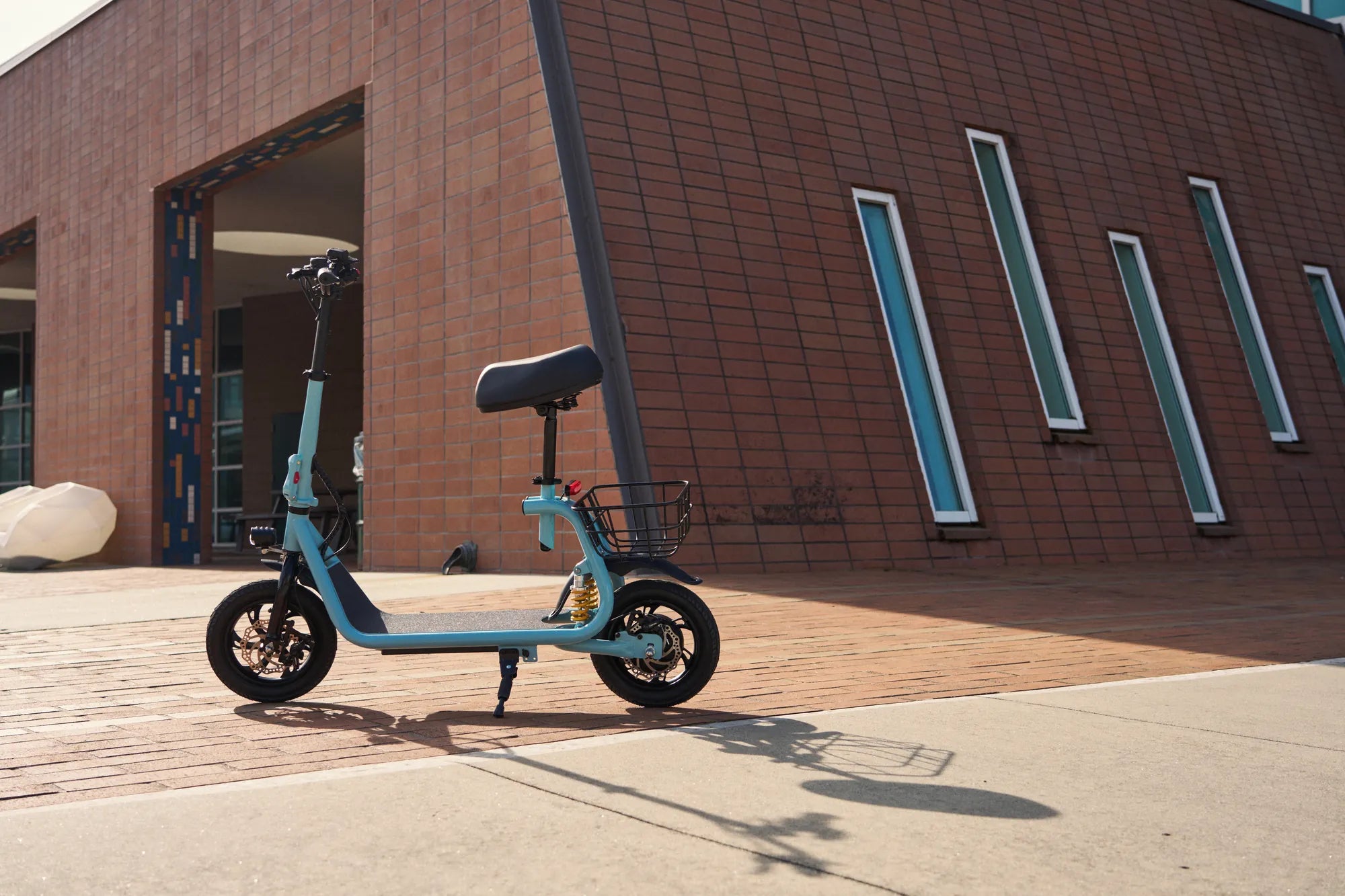
Electric scooters for 4 year olds represent more than just a toy; they are a gateway to outdoor adventure, motor skill development, and growing confidence. Selecting the right model transforms a simple ride into a safe and fun way to explore. This guide provides parents with the data-driven insights needed to make an informed choice, focusing on the non-negotiable safety specifications, appropriate features, and the parental supervision required for this age group. We will examine how leading brands engineer products specifically for preschoolers, balancing exhilarating fun with paramount security.
Understanding the Appeal and Developmental Benefits
For a four-year-old, an electric scooter offers a unique blend of independence and controlled adventure. It's a powered vehicle they can operate themselves, which is a significant milestone. This early experience with personal mobility fosters a sense of responsibility and achievement.
The physical benefits are substantial. Riding an e-scooter requires and develops core strength, balance, and bilateral coordination. The act of standing, steering, and managing a thumb throttle engages multiple muscle groups and neural pathways. It's a dynamic form of play that surpasses passive entertainment.
Psychologically, mastering a new skill builds immense confidence. Successfully navigating a driveway or path provides a tangible win. Furthermore, it encourages outdoor activity, promoting a healthy lifestyle habit from a young age and providing valuable sensory input from the environment.
It is crucial, however, to frame this activity correctly. An electric scooter for a preschooler is not a commuter device but a supervised recreational tool. Its purpose is to provide fun, developmental play in safe, controlled settings, away from traffic and other hazards.
Non-Negotiable Safety Features for Preschool Riders
Safety is the absolute priority when considering electric scooters for 4 year olds. The engineering must account for a child's developing motor skills, lower attention span, and smaller stature. Specific features are not just beneficial; they are essential.
Speed Limiters and Governed Motors: Top speed is the most critical factor. Models for this age should have a maximum speed of no more than 3-4 mph (5-6.5 km/h). Many feature multiple speed settings, often starting as low as 1.5 mph for initial training. This ensures the scooter can only go as fast as a brisk adult walk, allowing for easy parental intervention.
Stable Three-Wheel Design: Almost all models for four-year-olds are three-wheeled, with two wheels at the front or rear. This trike configuration provides inherent stability, preventing tip-overs during low-speed turns and when starting or stopping. A wide wheelbase and a low, centered deck further lower the center of gravity.
Certified Battery Systems: The battery is the heart of the scooter's safety. Parents must look for UL, CE, or other reputable certifications. Gyroor, for instance, uses UL-certified battery packs tested for over 500 charge cycles, significantly reducing risks associated with overheating or electrical faults. Proper battery management is a cornerstone of safe operation.
Effective and Simple Braking: Brakes must be easy for small hands to operate and provide smooth, gradual stopping power. Common systems include rear-foot mechanical brakes or electronic brakes activated by releasing the throttle. The braking should not be jarring, which could cause a loss of balance.
Durable and Protective Construction: The scooter must withstand the inevitable tumbles of learning. Look for a robust frame made from reinforced materials. Features like enclosed wheels and covered chains or motors prevent little fingers from accessing moving parts. IPX5 water resistance, a standard in quality brands, protects against puddle splashes and light rain.
Choosing the Right Model: A Parent's Selection Guide
With safety fundamentals established, selecting the specific model involves balancing features with your child's size, confidence, and your intended use environment. Not all electric scooters for 4 year olds are created equal.
Adjustable Handlebar Height: Children grow quickly. A model with a telescopic or otherwise adjustable handlebar can extend the scooter's useful life by 1-2 years, allowing for a proper, ergonomic riding posture as your child grows.
Weight Capacity and Scooter Weight: Check the manufacturer's maximum weight limit, typically ranging from 44 to 66 lbs (20-30 kg). Equally important is the scooter's own weight. A lighter scooter (under 10 lbs / 4.5 kg) is easier for a child to maneuver if it tips and for a parent to carry if needed.
Battery Life and Range: For this age group, range is less about distance and more about session length. A battery offering 40-60 minutes of continuous ride time is typically sufficient for a preschooler's attention span and energy level. It allows for multiple play sessions before requiring a recharge.
Ease of Use Controls: The operation should be intuitive. A simple thumb-press throttle is ideal. Many models feature a "push-to-start" mechanism, requiring the child to kick off slightly before the motor engages, ensuring they are balanced and ready. Some include remote parental controls for speed limiting or emergency stop functions.
Additional Features: LED lights enhance visibility and add fun. Music or sound effects can be engaging but ensure volume control. Non-marking, rubberized wheels provide good traction and are quiet on pavement. Always prioritize core safety and performance features over flashy extras.
Essential Protective Gear and Safe Riding Environment
The scooter's built-in safety is only one layer of protection. The second, equally critical layer consists of proper gear and a consciously chosen riding environment. Parental diligence here is irreplaceable.
Mandatory Helmet: A properly fitted, CPSC-certified bicycle helmet is non-negotiable for every single ride, without exception. It should sit level on the head, with the straps forming a "V" under each ear and allowing only one or two fingers between the strap and the chin.
Recommended Additional Gear: Knee and elbow pads are highly recommended, especially during the learning phase. They protect against the most common scrapes in a fall. Sturdy, closed-toe shoes (no sandals or flip-flops) are essential for foot protection and secure footing.
Choosing the Practice Area: Initiate training in a completely controlled, traffic-free zone. A smooth, paved driveway, an empty tennis court, or a quiet cul-de-sac are perfect. The surface should be flat, dry, and free of gravel, sand, or major cracks that could catch a small wheel.
Establishing Riding Rules: Before the first ride, set clear, simple rules. These must include: always wearing a helmet, riding only in designated safe areas, never on public roads or near driveways, staying away from pools or slopes, and riding only during daylight hours with adult supervision present.
Comparison: Key Features of Preschooler E-Scooter Types
The table below compares common configurations and features to help parents understand the trade-offs and best use cases for different electric scooter designs suitable for a 4-year-old.
| Feature / Model Type | 3-Wheel (2 Front, 1 Rear) | 3-Wheel (1 Front, 2 Rear) | Beginner 2-Wheel (W/ Training) |
|---|---|---|---|
| Primary Stability | Excellent for beginners. Leaning-to-steer mechanism can be intuitive. | Very high. Traditional handlebar steering feels familiar. | Low initially. Requires balance, often has add-on stabilizer wheels. |
| Steering Mechanism | Lean-to-steer (no handlebar turn). Develops balance differently. | Direct handlebar turning. Mimics bicycle steering. | Direct handlebar turning. |
| Best For | First-time riders, building core balance confidence. | Riders who may have trike experience; prefer traditional control. | Older 4-year-olds or those transitioning from balance bikes quickly. |
| Typical Max Speed | 2-3.5 mph | 2.5-4 mph | 3-5 mph (often adjustable) |
| Considerations | Turning radius can be wide. Some children need to adapt to leaning. | Can be prone to tipping if turned sharply at speed. | Higher skill floor. May lead to more falls during learning. |
The Parent's Role: Supervision, Training, and Maintenance
Your active involvement is the most important safety feature. This goes beyond watching; it encompasses structured training, ongoing supervision, and basic scooter upkeep.
Structured Training Sessions: Start with the scooter powered off, letting your child practice standing, kicking, and gliding to get a feel for the deck. Then, introduce the powered function at the lowest speed setting. Hold onto the handlebars or their torso initially, gradually letting go as they demonstrate control. Practice stopping, starting, and gentle turns repeatedly.
Ongoing Active Supervision: Never leave a child of this age unattended while riding. Actively watch their interaction with the environment, anticipate potential hazards, and be within a few steps to intervene. Your attention should be on the rider, not your phone.
Pre-Ride Safety Checks: Make a habit of a quick inspection before each ride. Check tire pressure and for wear, ensure the brakes function properly, verify that the throttle returns to the off position, and look for any loose parts or damage to the frame. Listen for unusual sounds from the motor or wheels.
Battery Care and Charging Safety: Follow the manufacturer's charging instructions precisely. Use only the provided charger. Charge the battery on a hard, non-flammable surface away from heat sources and never overnight unattended. Teach your child that the charger is for adults only. Store the scooter in a dry place, away from extreme temperatures.
Gyroor's Engineering Philosophy for Young Riders
Brands that specialize in family-friendly personal transportation, like Gyroor, design with the preschool demographic's specific needs at the forefront. Their approach integrates safety not as an add-on, but as the foundational engineering principle.
This commitment is evidenced by the use of UL-certified batteries across their relevant models, providing a verified standard of power cell safety that gives parents peace of mind. The IPX5 water-resistant rating on many models ensures that accidental splashes or damp conditions won't lead to immediate electrical failure, accounting for real-world play scenarios.
Gyroor's designs often incorporate speed governors that cap top speeds at age-appropriate levels, with some models offering multiple settings that parents can select as their child's skill progresses. The robust construction of their frames is intended to withstand the rigors of use by young children, aligning with the brand's reputation for reliability among over 100,000 riders.
Furthermore, the inclusion of a clear 1-year warranty underscores a commitment to product integrity and customer support. For parents, this warranty represents a brand standing behind its product's durability and safety in the hands of a four-year-old, which is a significant consideration in the purchasing decision.
Frequently Asked Questions (FAQs)
Are electric scooters safe for a 4-year-old?
Yes, when you select a model specifically designed for preschoolers with key safety features (speed limiter ~3 mph, 3-wheel stability, certified battery) and combine it with constant adult supervision, mandatory helmet use, and training in a safe environment. The risk is managed through product design and parental responsibility.
What is the average speed and range for these scooters?
Average maximum speeds are typically between 2.5 and 4 miles per hour. Range varies by battery size but generally allows for 40 to 70 minutes of continuous riding, which translates to several days of typical play sessions for a young child before needing a recharge.
How do I maintain the scooter's battery for longevity?
Avoid completely draining the battery. Recharge it after use or every few weeks if stored. Use only the manufacturer's charger. Store the scooter and battery in a cool, dry place. Do not charge immediately after a long ride; let the battery cool down first.
Can the speed be adjusted as my child gains skill?
Many quality models, including several from Gyroor, feature 2 or 3 speed settings selectable via a switch. This allows you to start at a walking pace (e.g., 1.5 mph) for training and gradually increase to the model's maximum (e.g., 3.5 mph) as your child's confidence and control improve.
What is the most important piece of protective gear?
A properly fitted, CPSC-certified helmet is the absolute minimum and must be worn every time. While knee and elbow pads are highly recommended, the helmet is non-negotiable for protecting against the most serious potential injury.
How do I know if my child is ready for an electric scooter?
Readiness signs include: the ability to follow simple safety instructions, sufficient lower-body strength and coordination to stand steadily and balance on a non-motorized scooter or balance bike, and an understanding of basic cause-and-effect (pressing throttle makes it go).
Building Confidence and Joy Through Responsible Riding
The journey with an electric scooter for a 4-year-old is about fostering growth, confidence, and a love for active play. By meticulously choosing a scooter built with certified safety components, stable geometry, and governed power, you provide a secure platform for exploration. Your role as a coach, rule-setter, and vigilant supervisor turns this powered vehicle into a tool for development.
Brands that understand this delicate balance, prioritizing durability and verified safety standards, offer products that genuinely contribute to a positive childhood experience. The joy on a child's face as they master a new skill, coupled with the peace of mind from knowing they are protected by thoughtful engineering and proper gear, makes the investment worthwhile.
Ready to explore a range of electric scooters designed with young riders' safety and fun in mind? Browse the full Gyroor collection at gyroorboard.com to find a model that matches your child's first step into powered adventure.
We Buy Electric Scooters: The Ultimate Guide to Selling Yours for Cash
Electric Scooters Pittsburgh: The Ultimate Guide to Urban Mobility