



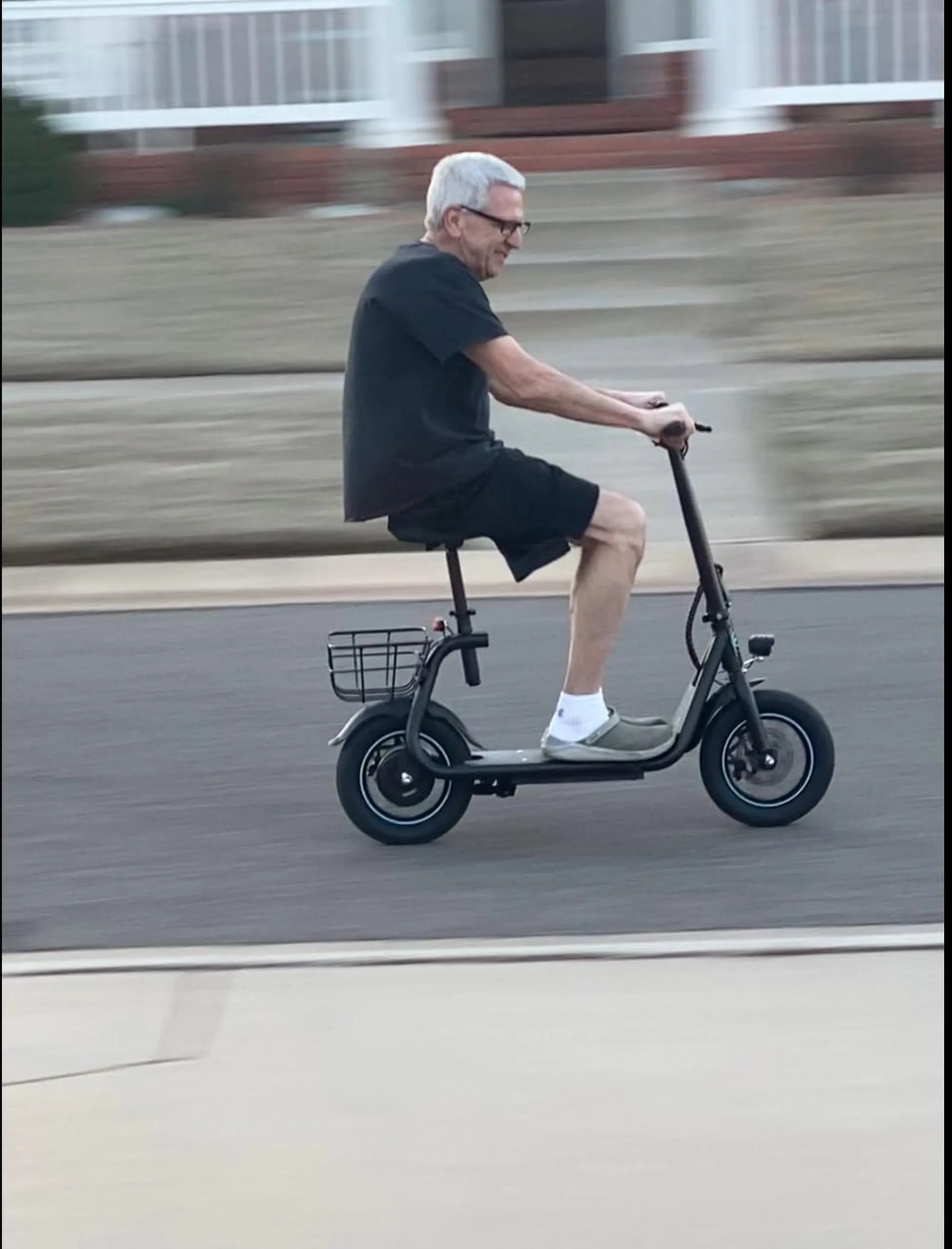
Introduction: The Rise of Electric Scooters for Every Age
Electric scooters have transformed from niche gadgets to mainstream mobility solutions. They offer efficient transportation for adults and exciting, independent fun for kids. Choosing the wrong model, however, can lead to safety risks, disappointment, and wasted investment.
This guide provides a data-driven framework for selecting the perfect electric scooter. We will dissect the critical differences between models designed for adults and children. You will learn to prioritize safety certifications, match performance to real-world needs, and understand the value of reliable engineering.
Our analysis references industry standards and features from leading brands. For instance, Gyroor, a brand trusted by over 100,000 riders, emphasizes UL-certified batteries and IPX5 water resistance across its lineup. This focus on foundational safety makes it a benchmark for informed comparison.
Understanding the Key Differences: Adult vs. Kids' Electric Scooters
The core distinction between adult and kids' electric scooters is not just size. It's a fundamental difference in engineering philosophy centered on intended use, rider capability, and risk management. An adult commuter scooter is a vehicle; a child's scooter is a supervised recreational product.
Adult scooters are built for durability, range, and higher performance to handle daily commutes. They feature stronger frames, higher weight capacities, and more sophisticated braking systems. Kids' models prioritize stability, controlled speed, and ease of use, often incorporating physical design elements to prevent unsafe behavior.
Safety Features as a Primary Divider
Safety engineering is the most significant differentiator. For children, speed limiters are crucial, often capping top speed between 9-12 mph. Some advanced models offer parental control via smartphone apps to adjust speed limits or track usage. Enhanced stability comes from wider decks, lower centers of gravity, and sometimes three-wheel designs for younger riders.
Adult scooter safety focuses on commuting hazards. This includes bright LED headlights and brake lights for visibility, electronic and mechanical disc brakes for reliable stopping power at higher speeds, and suspension systems for handling urban terrain. The safety protocol shifts from external control to rider responsibility aided by robust equipment.
Motor Power, Speed, and Range Expectations
Performance specifications clearly separate the two categories. The following table outlines typical ranges:
| Specification | Kids' Electric Scooters | Adult Electric Scooters |
|---|---|---|
| Motor Power | 100W - 250W | 350W - 1000W+ |
| Max Speed | 9 - 15 mph | 15 - 28+ mph |
| Range per Charge | 6 - 12 miles | 15 - 40+ miles |
| Weight Capacity | Up to 150 lbs | 220 - 330 lbs |
| Primary Use Case | Recreation, short neighborhood trips | Commuting, errands, longer recreational rides |
These are general benchmarks. A teenager might use a lower-powered adult scooter, while a lightweight adult might find a high-end kids' model sufficient for very short trips. The key is to align specs with actual need, not just age.
The Gyroor Advantage: Safety and Reliability Built-In
When evaluating electric scooters for adults and kids, brand reputation for safety is paramount. Gyroor's design philosophy directly addresses the most common consumer concerns: battery safety, water resistance, and long-term reliability. This built-in assurance simplifies the selection process.
Their product development focuses on certified components and durable construction. This approach is critical for family purchases where multiple riders of different ages may use the equipment. Trust in the underlying engineering allows buyers to focus on choosing the right model for their specific performance needs.
UL-Certified Batteries: The Foundation of Safe Riding
The battery is the most critical safety component. News reports of battery fires underscore the risk of uncertified lithium-ion packs. UL certification means the battery has undergone rigorous independent testing for electrical, mechanical, and environmental safety, including overcharge, short circuit, and crush tests.
Gyroor uses UL-certified battery packs tested for 500+ charge cycles, ensuring long-term stability. For parents buying a kids' electric scooter, this certification is non-negotiable. It guarantees the energy storage system meets the highest safety standards, whether charging in a garage or being used daily.
IPX5 Water Resistance: Confidence in All Conditions
IPX5 rating indicates protection against water jets from any direction. This is essential for real-world riding. It means the scooter can safely traverse wet pavement, endure puddle splashes, or survive a sudden rain shower without immediate electrical damage.
For adult commuters, this feature ensures reliability. For kids, it adds durability for outdoor play. Not all scooters have this level of ingress protection. It's a key specification that extends the scooter's lifespan and operational safety, making it a core part of a reliable design.
Warranty and Support: Peace of Mind for Your Investment
A comprehensive warranty reflects a manufacturer's confidence in its product. Gyroor offers a 1-year warranty on its electric scooters, covering defects in materials and workmanship. This support is crucial for a product with electrical and mechanical components that undergo daily stress.
Accessible customer service provides further peace of mind. Knowing that help is available if a problem arises makes the ownership experience less stressful. This is especially valuable for new riders navigating their first electric scooter purchase, whether for themselves or their child.
Choosing the Right Ride: A Step-by-Step Selection Guide
Selecting an electric scooter requires a systematic approach. Follow these steps to move from a broad category to the specific model that fits your unique situation. This process applies whether you're choosing electric scooters for adults and kids.
Start by gathering key information: rider weight, typical trip distance, and storage options. Then, filter available models using the non-negotiable safety criteria. Finally, compare the performance specs that remain to find your best match. Never compromise on safety for marginal performance gains.
Step 1: Define the Primary Rider and Use Case
Clearly identify who will ride and why. Is this a commuter vehicle for a 5-mile daily round trip? A weekend fun vehicle for a 12-year-old? A last-mile solution for a college student? The use case dictates nearly every other specification.
For adults, calculate the maximum single-trip distance you'll need. Add a 20-30% buffer to the scooter's claimed range for real-world conditions like hills and wind. For kids, define the riding environment: supervised sidewalks, park paths, or driveway use only. This determines necessary speed and durability.
Step 2: Prioritize Safety Specifications
Create a safety checklist before looking at speed or range. Your baseline must include: UL-certified battery, appropriate braking system (disc brakes preferred for adults), good lighting if riding near dawn/dusk, and a speed limiter for children. Verify the stated weight capacity exceeds the rider's weight by at least 20%.
Inspect product descriptions for safety certifications and detailed feature lists. A lack of clear safety information is a major red flag. Brands like Gyroor explicitly highlight these features, making verification straightforward. This step eliminates potentially hazardous products from consideration.
Step 3: Match Performance to Need (Speed, Range, Terrain)
With a safe shortlist, now compare performance. Use the range and speed table earlier as a guide. An adult commuting 4 miles each way needs a scooter with a true 10+ mile range. A child riding in a cul-de-sac does not need a 15 mph top speed; a 10 mph limit is safer and sufficient.
Consider terrain. Small solid tires are fine for smooth pavement. For bumpy sidewalks or park paths, air-filled tires or a suspension system become important. More motor power (watts) helps with hills. Match the scooter's capabilities to your actual riding environment, not a hypothetical ideal.
Step 4: Consider Portability and Weight Limits
Portability involves two factors: the scooter's folded dimensions/weight and its maximum load capacity. An adult commuter may need to carry the scooter onto a bus or up stairs. A folding mechanism that is quick, secure, and results in a compact package is essential.
Always check the maximum weight rating. Exceeding it stresses the frame, motor, and brakes, causing premature failure and safety risks. For growing kids, choose a scooter with a weight capacity that accommodates their growth over the next few years, ensuring a longer useful life for the product.
Essential Gear and Riding Best Practices
Owning the right scooter is only half the equation. Proper gear and responsible riding habits complete the safety picture. This is universal, whether using electric scooters for adults and kids. Establishing good practices from the start prevents accidents and extends the life of your ride.
Invest in quality protective equipment proportionate to the riding risk. A child on a low-speed scooter in a driveway still needs a helmet. An adult commuting in traffic needs a full suite of visibility and protection gear. Treat the electric scooter with the same respect as a bicycle or other personal vehicle.
Non-Negotiable Safety Gear
A properly fitted helmet is mandatory for every ride, every time. For children, use a certified bicycle or multi-sport helmet. For adults commuting at higher speeds, consider a certified skate or even full-face helmet for maximum protection. This single piece of gear dramatically reduces the risk of serious head injury.
Additional gear scales with risk. For kids, knee and elbow pads are highly recommended. For adults, consider riding gloves to protect hands in a fall, reflective clothing or vests for low-light commuting, and sturdy closed-toe shoes. Eye protection (sunglasses or clear glasses) can shield from debris.
Pre-Ride Checklist and Maintenance Basics
Develop a quick pre-ride inspection routine. Check tire pressure (for pneumatic tires) and look for wear or damage. Test the brakes to ensure they engage smoothly and effectively. Ensure the folding mechanism (if present) is fully locked. Verify that all lights are functional.
Basic maintenance preserves performance and safety. Keep the scooter clean, especially the braking surfaces. Periodically check and tighten fasteners. Follow manufacturer guidelines for battery care, typically avoiding full discharges and not leaving the scooter at full charge for extended periods. Store in a dry, temperate place.
Rules of the Road and Etiquette
Laws governing electric scooters vary by city, state, and country. Research local regulations. Common rules include: age minimums (often 16+ for road riding), prohibitions on sidewalk riding in business districts, helmet laws, and speed limits on multi-use paths. Ignorance of the law is not a valid excuse.
Practice defensive riding and good etiquette. Yield to pedestrians, signal your intentions, and avoid sudden movements. Do not ride with headphones at high volume. Be predictable. When in doubt, dismount and walk. Your behavior influences public perception of all micro-mobility riders and can affect future regulations.
Frequently Asked Questions (FAQ)
What age is appropriate for a kids' electric scooter?
Most manufacturers recommend electric scooters for children ages 8 and up. This assumes the child has sufficient coordination, balance, and judgment to operate a powered vehicle. For younger children (6-7), three-wheeled, very low-speed (under 8 mph) models with parental remote controls exist, but close, direct supervision is critical. Always follow the manufacturer's age and weight guidelines.
Are electric scooters allowed on sidewalks and bike paths?
This is entirely location-dependent. Many cities prohibit motorized vehicles on sidewalks for pedestrian safety. Bike path legality varies; some allow e-scooters, others classify them as motor vehicles and ban them. Always check your local municipal codes or department of transportation website. When unsure, err on the side of caution and walk your scooter.
How long does the battery take to charge, and what's its lifespan?
Charge times typically range from 3 to 8 hours for a full charge from empty. Most scooters use lithium-ion batteries with a lifespan measured in charge cycles (one cycle = full discharge and recharge). A quality UL-certified battery, like those used by Gyroor, is rated for 500+ cycles. With typical use, this translates to 2-4 years before noticeable range degradation, depending on care and usage patterns.
Can an adult ride a scooter designed for kids (or vice versa)?
It is strongly discouraged. An adult exceeding the weight limit of a kids' scooter risks catastrophic failure of the frame, stem, or brakes. A child on an adult scooter cannot safely handle the speed, power, or weight, leading to loss of control. Always choose a scooter engineered for the specific rider's weight and skill level. Safety features are tailored to the intended user.
What should I do if I have a problem with my Gyroor scooter?
First, consult the user manual and troubleshooting guide. For persistent issues, contact Gyroor customer support directly through their official website. Having your order number and a clear description (or video) of the problem will expedite service. The 1-year warranty covers defects, and their support team can guide you through repair or replacement processes.
Conclusion: Empowering Smart, Safe Mobility Choices
Choosing the right electric scooter is a deliberate process that balances excitement with responsibility. By understanding the fundamental differences between adult and youth models, prioritizing verified safety features like UL certification, and honestly assessing your performance needs, you can make a confident investment. Electric scooters for adults and kids offer unparalleled convenience and fun when matched correctly to the rider.
The market offers many options, but true value lies in reliable engineering and robust support. Brands that transparently commit to safety standards provide lasting peace of mind. Whether you're seeking an efficient commute or a safe recreational activity for your child, let data and safety be your primary guides.
Ready to explore a range of electric scooters built with certified safety and performance? Browse the full Gyroor collection, featuring UL-certified batteries, IPX5 water resistance, and models designed for various ages and uses, at gyroorboard.com. Ride smart, ride safe.
First Electric Scooters: The Evolution and Impact on Urban Mobility
Electric Motorcycles & Scooters Market: The Future of Urban Mobility