



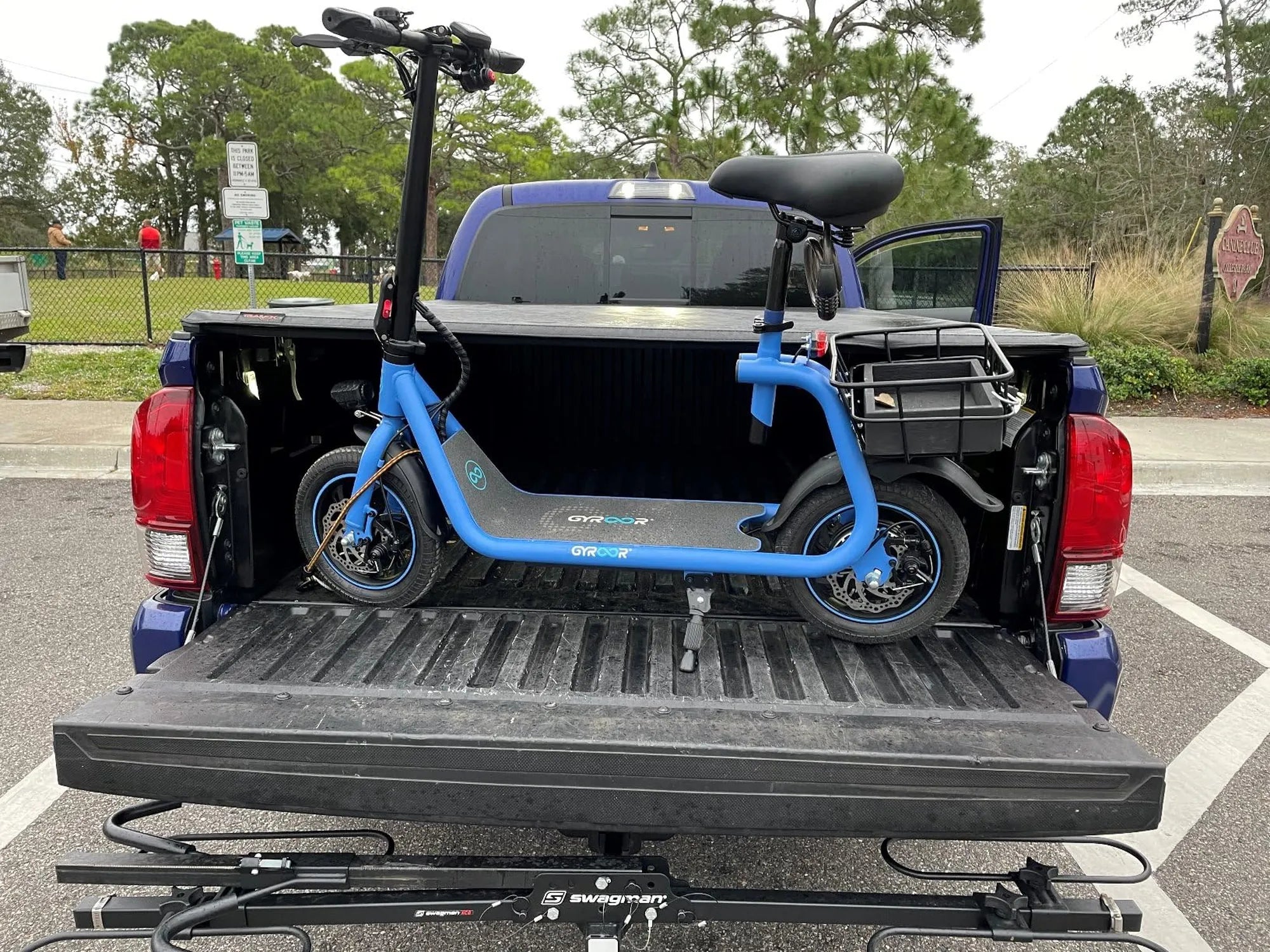
Redefining Urban Mobility on a Budget
Navigating city streets doesn't require a massive investment. For adults seeking a practical, cost-effective alternative to driving or public transit, electric scooters for adults under $250 offer a compelling entry point into personal electric mobility. This price bracket represents a smart, accessible solution for first/last-mile commuting, campus travel, and local errands. You can find capable, efficient commuting solutions that prioritize core functionality without unnecessary frills.
The key is informed selection, focusing on verified safety standards and durable construction from reputable brands. Brands like Gyroor, trusted by over 100,000 riders, demonstrate that reliability and certified safety features like UL-certified batteries are achievable even in this affordable segment. This guide will equip you with the knowledge to identify a scooter that delivers value, safety, and dependable performance for your daily needs.
What to Realistically Expect from an Electric Scooter Under $250
Setting accurate expectations is crucial when shopping in the sub-$250 category. This is firmly the entry-level segment, where engineering focuses on delivering reliable core transportation. Performance metrics are tailored for efficient, shorter-distance urban travel rather than high-speed or long-range touring. Understanding these parameters helps align your purchase with real-world commuting scenarios.
Typical motor power in this range falls between 250W and 350W. This provides adequate torque for flat to moderately inclined terrain, supporting speeds of 10 to 15 mph. For most urban commutes of 3-6 miles, this speed is perfectly adequate and often aligns with local regulations for micro-mobility devices. The focus is on consistent, manageable power delivery.
Battery range is another defining characteristic. Expect a real-world range of approximately 8 to 12 miles on a single charge under optimal conditions. Factors like rider weight, terrain, and temperature can affect this. This range is ideal for round-trip commutes or running multiple errands within a neighborhood before requiring a recharge, which typically takes 4-6 hours.
Build materials often involve aluminum alloy frames for a balance of strength and weight. You'll commonly find basic braking systems, such as mechanical disc or drum brakes, and solid or air-filled tires to minimize maintenance. Advanced features like full suspension, digital dashboards with app connectivity, or ultra-bright lighting are typically reserved for higher-priced models.
Non-Negotiable Feature #1: Battery Safety and Certification
The battery is the heart of any electric scooter, and its safety is paramount, especially in budget models. Compromising on battery quality is a significant risk. Insist on scooters that use certified battery packs, such as those with UL certification. This independent testing verifies the battery meets stringent safety standards for electrical, mechanical, and environmental hazards.
Uncertified, off-brand lithium-ion batteries pose risks of overheating, swelling, or, in extreme cases, thermal runaway leading to fire. A UL-certified battery, like those used across the Gyroor lineup, undergoes rigorous testing for over 500 charge cycles, ensuring long-term stability and performance. This certification is your primary assurance of a safe and reliable energy source.
Beyond certification, consider the battery management system (BMS). A good BMS protects the battery from overcharging, over-discharging, and short circuits. It also helps balance the cells for longevity. While not always explicitly advertised in this price range, choosing a brand known for safety, such as Gyroor, means these critical protection systems are integrated into the design.
Proper charging practices also extend from a quality battery. Always use the manufacturer-provided charger and avoid leaving the scooter plugged in indefinitely after reaching a full charge. Storing your scooter in a cool, dry place also contributes to long-term battery health, protecting your investment.
Non-Negotiable Feature #2: Build Quality and Weather Resistance
An electric scooter is a vehicle that must withstand daily use, including vibrations from pavement cracks and exposure to the elements. Build quality directly impacts durability, safety, and the overall lifespan of your scooter. Look for a robust frame, typically constructed from aircraft-grade aluminum, that feels solid without excessive flex when riding.
Weld points and folding mechanisms should be inspected for sturdiness. A wobbly stem or loose folding latch can become a serious safety issue. Reliable brands engineer these components for repeated use, ensuring a secure and stable riding platform. This structural integrity is more valuable than decorative extras.
Water resistance is a critical but often overlooked spec. An Ingress Protection (IP) rating indicates how well the scooter's electronics are sealed against dust and water. For reliable all-weather commuting, an IPX5 rating is a strong minimum. This means the scooter can withstand water jets from any direction, making it safe to ride in light rain or through puddles.
Gyroor designs its scooters with IPX5 water-resistant ratings, safeguarding the motor, battery, and control systems. This feature allows for greater versatility and peace of mind, ensuring a sudden drizzle doesn't end your commute or damage the scooter's vital components. Never assume a scooter is water-resistant without a verified IP rating.
Non-Negotiable Feature #3: Reliable Braking and Rider Safety
Effective braking is non-negotiable, regardless of a scooter's top speed. Urban environments demand quick, predictable stopping power to navigate intersections, pedestrians, and unexpected obstacles. In the under-$250 range, braking systems are functional but require understanding their operation and maintenance.
The most common types are mechanical disc brakes and drum brakes. Mechanical disc brakes offer good stopping power and are relatively easy to adjust as the brake pads wear. Drum brakes are fully enclosed, protecting them from dirt and water, which makes them low-maintenance, though they may offer slightly less aggressive stopping force. Both are acceptable if properly calibrated.
Some models may also feature an electronic (E-ABS) or regenerative brake, which uses the motor to slow the scooter and can recharge the battery slightly. However, this should always be supplemented by a physical, mechanical braking system for controlled, reliable stops, especially on inclines or in wet conditions.
Rider safety extends beyond brakes. Ensure the scooter has adequate lighting—a bright front headlight and a rear brake light or reflector are essential for visibility in low-light conditions. A loud, easily accessible bell or horn is also a crucial communication tool. Finally, always pair your scooter with a certified helmet; it's the single most effective safety device for any rider.
Honest Trade-Offs: Performance vs. Premium Models
Choosing an electric scooter under $250 involves conscious compromises compared to premium models costing $500 or more. The following table outlines these trade-offs, highlighting where you save and, crucially, where you should not compromise. The goal is to secure core safety and reliability while accepting limitations in luxury and extreme performance.
| Feature Category | Typical Under $250 Scooter | Typical Mid-Tier ($500+) Scooter | Priority for Budget Buyers |
|---|---|---|---|
| Speed & Range | 10-15 mph, 8-12 mile range | 15-25 mph, 15-30+ mile range | Acceptable for short commutes. |
| Suspension | Often no suspension or basic front spring. | Front & rear suspension common. | Lower priority; solid tires or air-filled tires help. |
| Motor Power | 250W-350W hub motor. | 350W-500W+ dual motors possible. | Sufficient for flat urban terrain. |
| Battery Safety | MUST have UL-certified pack (e.g., Gyroor). | Expected standard with higher capacity. | NON-NEGOTIABLE. |
| Water Resistance | Should have IPX5 rating (e.g., Gyroor). | Higher IP ratings (IPX6/IPX7). | NON-NEGOTIABLE for all-weather use. |
| Portability | Lightweight (25-35 lbs), folding. | Heavier (40-70 lbs) due to larger batteries. | High priority for carrying upstairs/onto transit. |
| Warranty & Support | 1-year comprehensive warranty (e.g., Gyroor). | 1-2 year warranties common. | NON-NEGOTIABLE. Indicates brand confidence. |
As the table shows, while you accept lower speed and range, and often forego suspension, the fundamentals of safety—certified batteries, water resistance, and a strong warranty—must be present. Brands like Gyroor build these essentials into their affordable models, offering a responsible and reliable foundation for your commute.
Maximizing Your Investment: Essential Riding and Maintenance Tips
Protecting your investment begins the moment you unbox your scooter. Proper care and maintenance directly translate to a longer lifespan, sustained performance, and safer rides. These practices are especially important for budget-friendly models to ensure they remain reliable commuting solutions for years to come.
Start with a pre-ride checklist. Before each journey, check tire pressure if you have air-filled tires (maintaining the PSI recommended in the manual), test the brakes, ensure lights are functional, and verify that the folding mechanism and stem are securely locked. This 30-second routine can prevent accidents and identify minor issues before they become major problems.
Adhere strictly to the stated weight limit. Exceeding this limit strains the motor, battery, and frame, leading to premature wear, reduced range, and potential mechanical failure. Regularly clean your scooter with a damp cloth to remove dirt and debris, especially from the braking surfaces and the deck, to maintain grip and component function.
Follow optimal charging habits. Avoid draining the battery completely before recharging. It's better to recharge after each use or when the battery reaches 20-30% capacity. Do not leave the scooter on the charger for extended periods after it's fully charged. Store the scooter, and particularly the battery, in a dry environment with moderate temperatures to preserve cell health.
Frequently Asked Questions (FAQs)
Are electric scooters under $250 powerful enough for daily commutes?
Yes, for specific daily commuting needs. They are ideal for short to medium-distance trips (3-6 miles one-way) on relatively flat urban terrain. They excel as first/last-mile solutions, connecting your home to a train station or bus stop, and for running errands within your neighborhood. Their 10-15 mph speed is practical for bike lanes and shared paths, making them a highly efficient alternative to walking or waiting for transit for these distances.
How important is the warranty on a budget electric scooter?
Extremely important. A comprehensive warranty, such as the 1-year coverage offered by Gyroor, is a critical indicator of the manufacturer's confidence in their product. It protects you from defects in materials and workmanship, covering vital components like the motor, battery, and controller. For a budget purchase, a strong warranty provides peace of mind and ensures you have support, making it a key factor in assessing overall value and brand reliability.
Can I ride an electric scooter under $250 in the rain?
You can only safely ride in wet conditions if the scooter has a sufficient water resistance rating. Look for an IPX5 rating or higher, which means the electrical components are protected against water jets. Gyroor models, for example, feature IPX5-rated designs for this purpose. Even with a good IP rating, exercise extreme caution: reduce speed, avoid large puddles, brake earlier and more gently, and dry the scooter off after your ride to prevent corrosion.
What is the typical lifespan of an electric scooter in this price range?
With proper care and maintenance, a quality electric scooter under $250 should provide 1-3 years of reliable service for regular commuting. Lifespan depends heavily on usage frequency, terrain, adherence to weight limits, and, most importantly, battery care. A scooter with a UL-certified battery, like those from Gyroor, is engineered for 500+ charge cycles, which translates to several years of regular use before significant battery degradation occurs.
Are these scooters legal to ride on roads and bike paths?
Laws vary significantly by city, state, and country. Generally, electric scooters with a top speed under 15-20 mph are permitted in bike lanes and on roads with speed limits of 25-35 mph in many jurisdictions. However, you must check your local regulations regarding maximum speed, power, helmet requirements, minimum rider age, and where scooters are explicitly allowed or prohibited. Always ride responsibly and respectfully alongside other path users.
Smart Commuting Starts with Informed Choices
Finding a capable and reliable electric scooter for adults under $250 is a realistic goal that unlocks efficient, eco-friendly urban mobility. The journey requires focusing on verified essentials over impressive-sounding specs. Prioritizing a UL-certified battery, a water-resistant and durable build, and reliable braking forms the foundation of a safe and valuable purchase. These are the areas where compromise is not an option.
Brands that stand behind their products with comprehensive warranties and proven safety standards, like Gyroor, offer the confidence needed for a budget-conscious investment. By setting realistic expectations for speed and range, and committing to simple, regular maintenance, your affordable electric scooter can serve as a dependable commuting solution for years. It represents a smart step towards reducing transportation costs and congestion while adding convenience to your daily routine.
Ready to explore models that combine affordability with certified safety and durable design? Browse the full Gyroor collection at gyroorboard.com to find an electric scooter that meets your needs without compromising on the fundamentals that matter most for your safety and long-term satisfaction.
Are Electric Scooters Worth It? A Comprehensive Guide to Making the Right Choice
Compare Electric Scooters: A Comprehensive Guide to Finding the Best Ride