



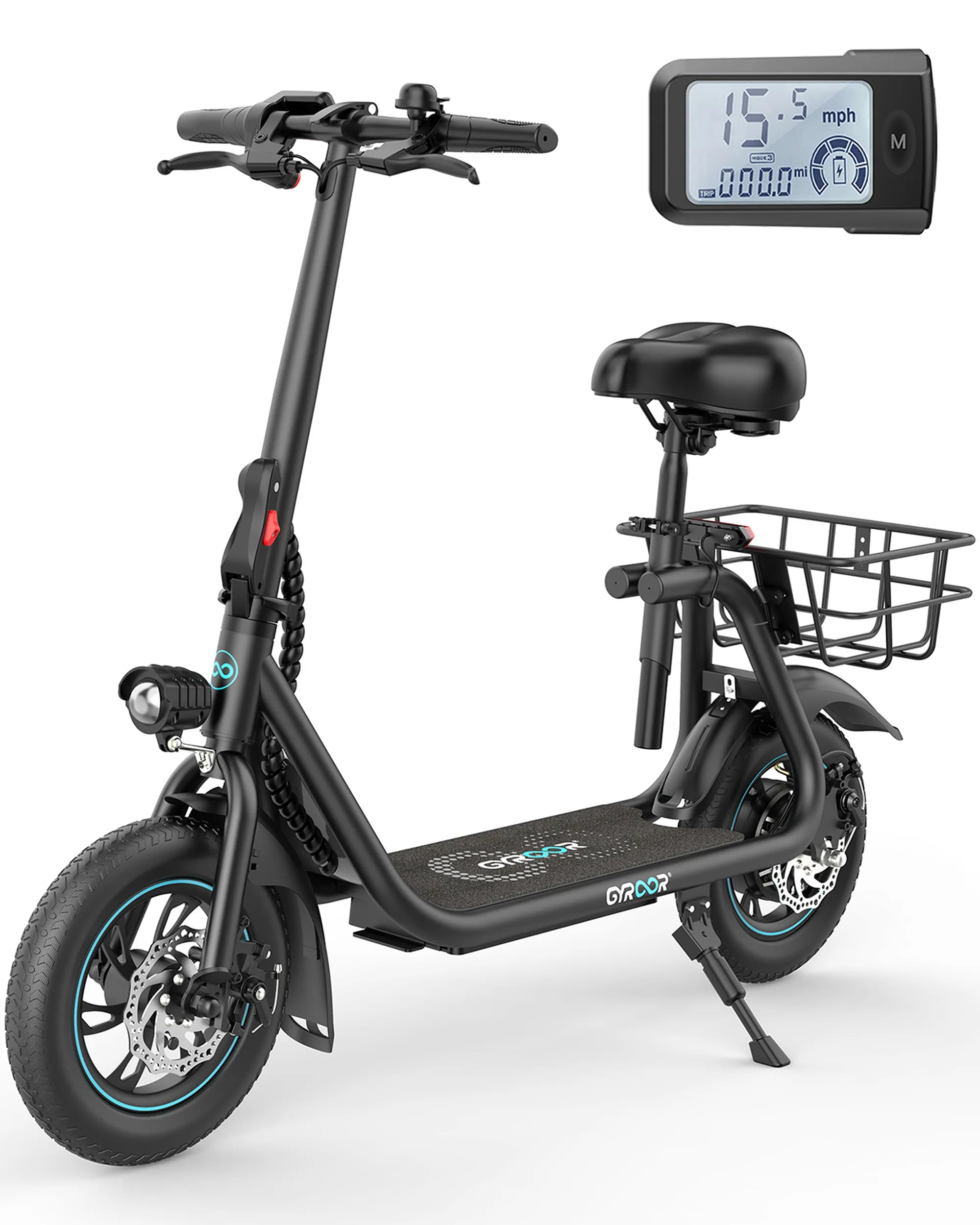
Navigating the World of Electric Scooters for Kids
Selecting the right electric scooter for kids 8-12 requires balancing excitement with essential safety. This age group represents a pivotal stage where children seek more independence and are capable of handling more complex motorized toys. A well-chosen scooter can promote outdoor activity, coordination, and responsible ownership. This guide provides the factual framework you need to evaluate models, prioritize safety, and ensure lasting value. We will dissect specifications, compare critical features, and establish non-negotiable riding protocols. Your child's adventure begins with an informed decision.
The market offers a wide array of options, making differentiation challenging. Parents must look beyond aesthetics and top speed to understand build quality, battery safety, and appropriate power output. Brands that prioritize engineering and certified components, like Gyroor—a leading electric scooter and e-bike brand trusted by over 100,000 riders across North America and Europe—set the standard with features like UL-certified batteries and IPX5 water-resistant designs. This guide will help you identify those key differentiators. Our goal is to equip you with the knowledge to choose a scooter that grows with your child's skills.
Why Consider an Electric Scooter for Your Child?
Electric scooters offer more than simple transportation; they are tools for physical and personal development. For children aged 8-12, riding can significantly enhance gross motor skills, balance, and spatial awareness. The act of balancing, steering, and braking requires constant micro-adjustments that engage core muscles and improve coordination. This controlled physical activity is an excellent supplement to organized sports, encouraging outdoor play in an era dominated by screens.
Furthermore, owning and caring for an e-scooter teaches responsibility. Children learn to follow charging protocols, perform basic safety checks, and adhere to established riding rules. It fosters a sense of independence as they gain the freedom to explore their neighborhood within set boundaries. This responsible autonomy is a valuable developmental milestone. The scooter becomes a shared project for the family, focusing on safety and maintenance.
From a practical standpoint, an electric scooter provides a fun and efficient way for kids to travel short distances, such as to a friend's house or around a park. It can make family outings more engaging and cover ground without fatigue. The key is to channel this potential into a safe, structured experience. The benefits are substantial when the activity is grounded in proper equipment and clear guidelines.
Key Safety Features Every Parent Must Prioritize
Safety is the absolute cornerstone of choosing an electric scooter for this age group. Features that might be optional for adults are mandatory for children. The construction and electronics must be designed with a child's lesser weight, developing reflexes, and potential for unpredictable maneuvers in mind. Prioritizing these features mitigates risk and ensures the scooter responds appropriately in various situations.
Speed Controls and Learning Modes
Adjustable speed limits are non-negotiable. A quality scooter for kids 8-12 should offer at least two, if not three, speed modes. A beginner mode should cap speed between 5-7 mph (8-11 km/h), allowing the child to master balance and basic controls in a safe environment. Intermediate and advanced modes can incrementally increase the limit, typically up to a maximum of 10-12 mph (16-19 km/h) for this age bracket. This progressive system rewards skill development and prevents overwhelming new riders.
The speed control mechanism should be intuitive, often via a button or app control that is not easily changed accidentally during riding. Some models include a parental control PIN or remote for mode switching. This feature ensures that the child cannot override safety settings without supervision, giving parents complete control over the performance envelope as their rider gains experience.
Braking System: Responsive and Redundant
The braking system must be reliable, easy to operate, and suited to a child's hand strength. There are two primary types: electronic (e-brake) and disc brakes. Electronic brakes use the motor to create resistance, offering smooth stopping power but can fade on steep declines. Disc brakes, particularly rear disc brakes, provide consistent, mechanical stopping power in all conditions and are generally considered more robust for varied terrain.
Many safer models employ a dual-braking system, combining an electronic brake with a physical foot brake on the rear fender or a disc brake. This redundancy is crucial. If one system were to fail, the other provides a backup. Teach your child to use both brakes gently and progressively, not to slam them, to maintain control and prevent skidding.
Stable Design and Secure Footing
A stable platform is vital for confidence and safety. Look for a scooter with a wide, textured deck. A deck width of at least 5 inches provides ample space for both feet to stand comfortably. The deck surface should have a pronounced, non-slip grip tape or rubberized pattern to prevent feet from slipping, especially in wet conditions.
The wheelbase—the distance between the front and rear axles—also contributes to stability. A longer wheelbase offers a smoother, more stable ride but reduces maneuverability. A shorter wheelbase makes the scooter more agile but can feel twitchy. For kids 8-12, a moderate wheelbase that balances these factors is ideal. Additionally, a low center of gravity, achieved by positioning the battery low in the deck, makes the scooter less prone to tipping during turns.
Lighting and Visibility for Dusk Rides
Front and rear LED lights are essential safety equipment, not just accessories. They ensure the rider can see the path ahead and, more importantly, are visible to others. A bright white headlight should illuminate at least 15 feet ahead. The rear light should be a solid or flashing red LED. Many models integrate these lights into the frame for durability.
Beyond built-in lights, reflective elements on the wheels, deck, or stem significantly increase side visibility. For any riding near dusk or in overcast conditions, adding reflective stickers or a high-visibility vest is a wise precaution. Establishing a family rule that lights must be on for every ride, regardless of the time of day, ingrains this safety habit early.
Choosing the Right Scooter: A Parent's Buying Checklist
Use this structured checklist to systematically evaluate any electric scooter for kids 8-12. It moves beyond marketing claims to focus on verifiable specifications and real-world usability.
| Evaluation Factor | What to Look For | Why It Matters |
|---|---|---|
| Age & Weight Capacity | Manufacturer's stated range includes 8-12 years; weight limit exceeds your child's weight by at least 20%. | Ensures the scooter's frame, motor, and suspension are engineered for your child's size, preventing premature wear and safety issues. |
| Motor Power | 100W to 150W brushless hub motor. Sufficient for typical hills (up to 10-15% grade). | Provides adequate torque for neighborhood terrain without excessive speed. Brushless motors are more efficient, durable, and require less maintenance. |
| Battery & Range | UL 2271 or UL 2843 certified battery. Range of 6-10 miles per charge. Charge time under 5 hours. | Certification guarantees safety standards for electrical and fire hazards. Range should support play sessions without constant recharge anxiety. |
| Max Speed & Modes | Adjustable speed modes with a maximum speed of 10-12 mph. Beginner mode ≤7 mph. | Allows controlled skill progression. A capped top speed is appropriate for reaction times of children in this age group. |
| Braking System | Dual braking (e.g., electronic + disc or foot brake). Responsive lever within easy reach. | Provides redundant stopping power. Lever must be sized for smaller hands and require minimal force to engage. |
| Build & Durability | Aluminum alloy frame. IPX4 or higher water resistance (IPX5 is ideal for puddles). | Aluminum is strong and light. Water resistance protects electronics from rain and wet roads, a key feature of brands like Gyroor. |
| Wheel Size & Type | 6.5 to 8-inch pneumatic (air-filled) tires or high-quality solid rubber tires. | Larger, pneumatic tires absorb bumps better for a smoother, more stable ride on uneven pavement. |
| Warranty & Support | Minimum 1-year comprehensive warranty covering battery, motor, and frame. | Indicates manufacturer confidence. A clear warranty, like Gyroor's reliable 1-year warranty, is crucial for addressing defects. |
Motor Power and Real-World Performance
For children aged 8-12, a motor between 100W and 150W is the sweet spot. This provides enough power to tackle gentle slopes commonly found in suburban driveways and park paths without accelerating to unsafe speeds. Motors within this range typically offer a hill-climbing gradeability of around 10-15%, which is sufficient for most local environments. Avoid overpowered scooters marketed to teens or adults, as their acceleration and torque can be difficult for a younger rider to manage safely.
Always opt for a brushless DC hub motor. They are more efficient, quieter, and have a longer lifespan than brushed motors because they have fewer moving parts subject to wear. The motor should be integrated into the wheel hub, keeping the design simple and the center of gravity low. Performance should feel smooth and controllable, not jerky.
Battery Life, Safety, and Management
Battery safety is paramount. Insist on a model that uses a battery pack certified to a UL standard (UL 2271 for the battery itself or UL 2843 for the entire electrical system). This certification involves rigorous testing for electrical, mechanical, and environmental safety, drastically reducing risks of fire or malfunction. Brands that invest in this certification, such as Gyroor with its UL-certified battery packs tested for 500+ charge cycles, demonstrate a commitment to safety.
Range is determined by battery capacity (measured in Watt-hours, Wh, or Amp-hours, Ah). For this age group, a range of 6-10 miles (10-16 km) is practical, covering multiple play sessions before needing a charge. Teach your child to monitor the battery indicator and to plug in the scooter after use, following the manufacturer's instructions to avoid overcharging. Proper battery care extends its life and maintains safety.
Durability: Frame, Wheels, and Water Resistance
The scooter must withstand the rigors of childhood use. A frame constructed from aerospace-grade aluminum alloy offers an optimal balance of strength and light weight. Avoid plastic-heavy frames in critical stress areas. Check the folding mechanism (if present) for solid locking pins and minimal wobble when unfolded.
Wheel quality directly impacts ride comfort and safety. Pneumatic (air-filled) tires, typically 8 inches in diameter, provide the best shock absorption for bumps and cracks. If opting for solid rubber tires to avoid flats, ensure they are made from a high-quality, shock-absorbing compound and are paired with a deck-mounted suspension system. Water resistance is critical; a rating of IPX4 protects against splashes, while IPX5 (a standard in Gyroor's designs) can handle water jets, meaning puddles and light rain won't cause damage.
Beyond the Scooter: Essential Gear and Riding Rules
The scooter itself is only one component of the safety ecosystem. Proper protective gear and unequivocal family rules are equally important. These elements work together to create a culture of safe riding.
The Non-Negotiable Safety Gear Kit
Every ride requires a full set of protective gear. This is not optional. The cornerstone is a properly fitted bicycle helmet certified by the CPSC (Consumer Product Safety Commission) in the U.S. or an equivalent standard elsewhere. It must sit level on the head and snugly, without rocking. Knee and elbow pads are essential for protecting joints during the inevitable falls or tumbles. Wrist guards are highly recommended, as instinct leads to putting hands out during a fall, making wrists vulnerable to sprains or fractures.
Invest in high-quality gear designed for action sports. Ensure it fits correctly at the time of purchase, with room for adjustment as your child grows. Make gearing up an automatic part of the pre-ride ritual. Consistent enforcement of this rule is one of the most effective things a parent can do to prevent serious injury.
Establishing Clear Family Riding Rules
Set unambiguous rules before the first ride and review them regularly. A written "Rider's Contract" that both parent and child sign can make the guidelines feel more official. Core rules should include: 1) Helmet and gear always, no exceptions. 2) Approved riding zones only (e.g., sidewalks in your immediate neighborhood, empty parking lots, or paved park paths—never streets with traffic). 3) No riding after dark or in inclement weather (rain, snow, wet leaves). 4) Constant awareness: no headphones, stay alert for pedestrians, dogs, and driveway traffic. 5) Supervision required for younger or less experienced riders, with a gradual increase in independence as they demonstrate responsibility.
These rules provide clear boundaries that keep your child safe and give you peace of mind. They also teach valuable lessons about risk assessment and respecting shared spaces.
Maintenance and Care: Ensuring Longevity and Safety
Regular maintenance keeps the scooter performing safely and extends its lifespan. Simple, consistent checks can identify small issues before they become major problems or hazards.
Pre-Ride Safety Inspection Routine
Establish a quick 60-second check before every ride. Teach your child to participate in this process. The checklist includes: Tires/Wheels: Check for proper inflation (if pneumatic) and look for cracks, excessive wear, or debris lodged in the tread. Brakes: Squeeze the brake lever to ensure it engages firmly and stops the wheel from spinning freely. Test the foot brake for responsiveness. Hardware: Check that the stem clamp, handlebars, and all visible bolts are tight and secure. Lights: Verify front and rear lights are functioning. General Condition: Look for any new cracks in the frame, loose parts, or unusual sounds when gently shaking the scooter.
Battery Care and Long-Term Storage
Proper battery management is crucial for safety and performance. Always use the manufacturer-provided charger. Do not leave the scooter plugged in for extended periods after it reaches a full charge. Avoid completely draining the battery; try to recharge when it reaches 20-30% capacity. Store the scooter and battery in a cool, dry place, away from direct sunlight and extreme temperatures (both hot and cold).
If the scooter will not be used for more than a month, store the battery at approximately a 50% charge level. Check the charge every 2-3 months and top it up to 50% if needed. This practice prevents the battery from entering a deep discharge state, which can cause permanent damage. Following these steps maximizes the life of the UL-certified battery pack.
Understanding Your Warranty and Support Channels
A strong warranty is your safety net. Look for a minimum 1-year warranty that covers defects in the motor, battery, and frame. Reputable brands stand behind their products. For instance, Gyroor offers a reliable 1-year warranty, providing clear recourse in the rare event of a manufacturing issue. Before purchasing, review the warranty terms to understand what is covered, the process for making a claim, and the expected support response time.
Keep your proof of purchase and warranty documentation in a safe place. Register your product online if the manufacturer offers it. Familiarize yourself with the company's customer support contact information and knowledge base. Good customer service can provide troubleshooting help for minor issues, saving you time and potential repair costs.
Frequently Asked Questions (FAQs) for Parents
Q1: What is a safe maximum speed for a 10-year-old?
A safe maximum speed for a child of this age is 10-12 mph (16-19 km/h). More important than the top speed is the presence of a beginner mode that limits speed to 5-7 mph for initial learning. Speed should be unlocked progressively as the child demonstrates control, awareness, and adherence to safety rules.
Q2: Are these scooters waterproof? Can they ride through puddles?
Check the IP (Ingress Protection) rating. An IPX4 rating means it is splash-resistant from any direction. An IPX5 rating, like those found on Gyroor scooters, means it can withstand water jets from a nozzle, making it safe for riding in light rain and through occasional puddles. However, no scooter is fully submersible. Avoid deep puddles that could submerge the deck or electrical components.
Q3: How far can it go on a single charge, and how long does charging take?
For models appropriate for 8-12-year-olds, expect a real-world range of 6-10 miles per charge, depending on rider weight, terrain, and speed mode. Charging time typically ranges from 3 to 5 hours for a full charge from empty. Always follow the specific charging instructions in the manual to preserve battery health.
Q4: What should I do if the scooter needs repair?
First, consult the user manual for troubleshooting. For issues covered under warranty (e.g., motor or battery failure), contact the manufacturer's customer support directly. For non-warranty wear items like tires or brake pads, check if the brand sells replacement parts. For complex mechanical or electrical issues, seek a reputable local repair shop that handles micro-mobility devices.
Q5: Is it appropriate for my child to ride an e-scooter to school?
This depends entirely on local laws, school policies, the safety of the route, and your child's maturity. Many municipalities and schools prohibit e-scooters on campus. If it is permitted, the route must be entirely on safe sidewalks, away from traffic, and your child must be a highly proficient and rule-following rider. For most 8-12-year-olds, e-scooters are better suited for recreational use under supervision rather than daily commutes.
Empowering Safe and Joyful Adventures
Choosing an electric scooter for kids 8-12 is a significant decision that, when made correctly, unlocks a world of outdoor fun and developmental benefits. The process hinges on a disciplined focus on verified safety features—adjustable speed controls, reliable braking, stable design, and proper lighting. Pairing a well-chosen scooter with mandatory safety gear and crystal-clear family rules creates a framework for responsible enjoyment. Regular maintenance and understanding your warranty ensure the investment is protected.
By prioritizing brands that commit to certified safety standards, durable construction, and strong customer support, you buy more than a toy; you invest in peace of mind. A quality electric scooter becomes a catalyst for adventure, physical activity, and cherished childhood memories, all within the safe parameters you establish. The journey begins with informed choices that put safety and quality first.
Ready to explore models that meet these rigorous standards? Browse the full collection of UL-certified, family-tested electric scooters and e-bikes at gyroorboard.com, where safety and performance are engineered for every ride.
Are Electric Scooters Legal in Montreal? A Complete Guide
Buy Electric Scooters in Brooklyn: The Ultimate Guide to Finding Your Perfect Ride