

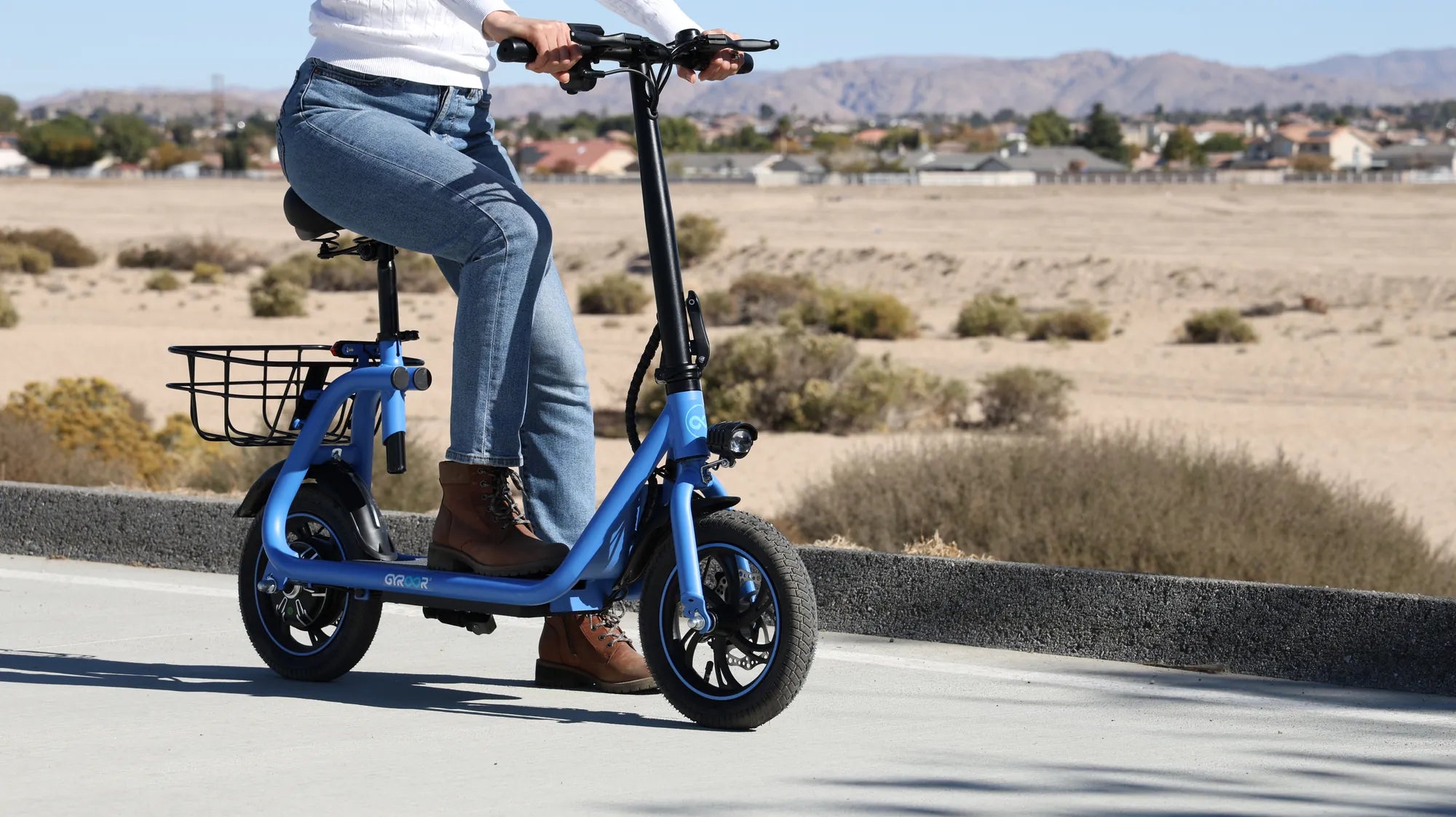
Electric scooters for kids have transformed from niche toys into a mainstream activity, offering a thrilling blend of freedom, outdoor play, and skill development. This guide, Electric Scooters for Kids: The Ultimate Guide to Fun and Safety, will equip you with the knowledge to navigate this exciting world confidently. You'll learn how to select the perfect scooter based on age and skill, understand the non-negotiable safety features, and implement best practices for maintenance and riding. We'll reference the engineering principles behind trusted brands like Gyroor—known for UL-certified batteries, IPX5 water resistance, and a 1-year warranty—to illustrate how leading manufacturers combine exhilarating fun with paramount safety for over 100,000 riders.
Why Choose an Electric Scooter for Your Child?
Modern childhood increasingly balances screen time with the need for physical activity. An electric scooter provides a powerful incentive for kids to get outside. It's more than just a toy; it's a tool for holistic development that promotes balance, coordination, and spatial awareness in a dynamic, engaging way.
Riding fosters a healthy sense of independence and responsibility. Children learn to care for their vehicle, follow safety rules, and navigate their environment. This builds confidence and decision-making skills. Furthermore, for short trips around the neighborhood, it serves as an eco-friendly alternative to car rides, introducing kids to sustainable mobility concepts early on.
The joy and excitement are undeniable. The feeling of gliding effortlessly under their own control is uniquely empowering for a child. This positive association with outdoor activity can establish lifelong habits of physical fitness and exploration. When chosen correctly, the scooter becomes a source of cherished memories and active play.
It's crucial, however, to frame this fun within a structure of safety. The benefits are maximized only when the equipment is reliable and used correctly. This is where understanding specifications, from motor power to braking systems, becomes essential for every parent.
Key Safety Features Every Parent Must Look For
Safety is not a single feature but a system of integrated components. Prioritizing these elements is the most critical step in the selection process. A scooter's safety pedigree is defined by its battery, brakes, stability, and visibility features.
The battery is the heart of the scooter and its most significant safety component. Insist on models with UL-certified battery packs. This certification means the lithium-ion cells have undergone rigorous testing for overcharge protection, short-circuit prevention, and overall stability. Brands like Gyroor use these certified packs, tested for 500+ charge cycles, to mitigate fire risk—a non-negotiable for peace of mind.
Effective braking is paramount. Look for a dual-braking system that combines electronic (e-brake) and mechanical braking. An electronic brake engages when the throttle is released, providing steady deceleration. A secondary mechanical brake—either a disc brake or a rear fender brake—offers more immediate stopping power for emergencies. This redundancy is key for control in various situations.
Stability is derived from wheel size, deck design, and frame construction. Larger, air-filled (pneumatic) or wide, solid rubber wheels absorb bumps better and provide more stability than small, hard plastic wheels. A wide, textured deck gives the rider a secure footing. Furthermore, an IPX5 water-resistant rating on the frame, as found on Gyroor scooters, ensures the electrical components are protected from splashes and light rain, preventing shorts and malfunctions.
The Importance of Speed Control and Modes
Adjustable speed modes are essential for matching the scooter's performance to a child's evolving skill level. Beginner modes typically limit speed to 5-7 mph, allowing the child to master balance, steering, and braking in a controlled environment.
As confidence and competency grow, parents can unlock intermediate and sometimes advanced modes, often reaching 10-15 mph for older kids. This feature allows the scooter to grow with the child, extending its usable life and ensuring they are never overwhelmed by excessive power. A physical speed limiter switch or a companion app for parental control offers an added layer of security.
How to Select the Right Scooter by Age and Skill Level
Choosing a scooter that aligns with your child's age, size, and experience is the foundation of safety. An overpowered scooter is dangerous, while an underpowered one will be quickly outgrown. Use this data-driven framework as your guide.
Ages 6-8 (Beginners): For this group, stability and control are everything. Look for scooters with a maximum speed of 6-8 mph, a low-to-the-ground deck for easy mounting, and a motor power between 100W and 150W. Weight capacity should be at least 120 lbs. Features like a lean-to-steer design or very wide wheels can aid balance. The primary goal is building fundamental skills in a safe, low-speed environment.
Ages 9-12 (Intermediate Riders): Children in this bracket have better motor skills and judgment. Scooters with a max speed of 10-12 mph and a 150W to 250W motor are appropriate. They can handle slightly larger decks and taller handlebars. Look for enhanced features like a headlight, taillight, and a more robust suspension system for smoother rides on varied pavement. The weight capacity should accommodate up to 160 lbs.
Ages 13+ (Teenagers/Advanced): Teenagers require more power and range for commuting or longer recreational rides. Scooters with speeds up to 15-16 mph (or more, with extreme caution), 250W+ motors, and longer-range batteries (15+ mile potential) are common. Durability and performance features like dual suspension, brighter lighting, and digital displays become more important. Weight limits should exceed 180 lbs.
Weight Capacity and Build Quality
Never ignore the manufacturer's stated maximum weight capacity. Exceeding it stresses the frame, motor, and brakes, leading to premature wear and potential failure. Choose a scooter with a capacity at least 20-30% above your child's current weight to account for growth and a backpack.
Build quality refers to the materials and construction. A frame made of aerospace-grade aluminum is lightweight yet strong. Check the welding points and the tightness of folding mechanisms. A scooter with an IPX5 rating, like those from Gyroor, indicates a build that can withstand the rigors of outdoor play, from puddle splashes to dusty paths, ensuring long-term reliability and safety.
Essential Safety Gear and Riding Rules
A safe scooter is only one part of the equation. Proper protective gear and clear riding rules are equally vital. This equipment is not optional; it is the primary defense against injury.
Helmet: A properly fitted, CPSC or ASTM-certified helmet is mandatory for every ride. It should sit level on the head and snugly, without rocking. Replace it after any significant impact.
Knee and Elbow Pads: These protect the joints most vulnerable in a fall. Look for hard-shell caps with adjustable straps for a secure fit.
Wrist Guards: Falls often result in instinctive hand-outstretching, making wrists prone to fractures. Guards with splint support are highly recommended.
Closed-Toe Shoes: Sturdy footwear like sneakers is essential for proper footing on the deck and protection for toes.
Establishing firm riding rules is a parental responsibility. Key rules include: Ride only on sidewalks, bike paths, or smooth pavements in parks—never on roads. Ride only during daylight hours for maximum visibility. Always ride under adult supervision in a pre-designated, safe area. Avoid wet, sandy, or gravelly surfaces that compromise traction. Finally, no passengers—electric scooters are designed for a single rider.
Parental Guidance: Maintenance and Battery Care
Proactive maintenance ensures the scooter remains safe and performs optimally. A simple, regular check-up routine can prevent most issues.
Tire Care: For pneumatic tires, check pressure weekly with a small gauge, inflating to the PSI printed on the tire sidewall. Under-inflated tires reduce range and stability; over-inflated tires risk bursting. For solid tires, regularly inspect for deep cuts or excessive wear.
Brake Inspection: Monthly, test the brakes at low speed. For mechanical disc or fender brakes, listen for grinding and check pad wear. Adjust or replace components as needed. Ensure the brake levers are firm and responsive.
Bolt and Frame Check: Vibrations from riding can loosen bolts, especially on folding mechanisms and handlebars. Tighten all visible bolts with the provided tools every few weeks. Inspect the frame for any unusual cracks or stress points.
Battery Best Practices: Use only the manufacturer-provided charger. Avoid leaving the scooter plugged in for extended periods after it reaches 100%. Store the scooter and battery in a cool, dry place, away from direct sunlight. If storing for more than a month, charge the battery to about 50-60% first. Never attempt to disassemble the battery pack.
Comparing Top Use Cases and Scooter Types
Not all scooters are built for the same purpose. Your choice should reflect where and how your child will ride most often. The following table breaks down key specifications for common use cases.
| Primary Use Case | Ideal Age Group | Key Features to Prioritize | Motor Power & Speed | Gyroor Model Example |
|---|---|---|---|---|
| First-Time Learner / Backyard Use | 6-9 years | Low speed modes, wide wheels, very stable deck, simple controls | 100W-150W, Max 8 mph | Models with 3-speed settings & beginner mode lock |
| Neighborhood Cruising & Park Rides | 9-13 years | Good suspension, longer range, bright LED lights, durable tires | 150W-250W, Max 12 mph | Gyroor F1 Pro (IPX5, air-filled tires, dual brake) |
| Commuting to School/Friends (Teens) | 13+ years | Long battery range, portability (foldable), powerful brakes, display | 250W+, Max 15+ mph | Gyroor F2 (Extended range, digital display, robust frame) |
Frequently Asked Questions (FAQs)
Q: What is the appropriate age for a child to start using an electric scooter?
A> Most manufacturers recommend a minimum age of 6-8 years. The key determinant is not just age but the child's physical coordination, ability to follow safety rules, and maturity. Always start with a scooter that has a beginner speed mode (under 8 mph) and supervise closely.
Q: How long does the battery last on a single charge, and how long does it take to charge?
A> Battery life (range) varies by model and rider weight. For kids' models, expect 6-10 miles per charge. Charging time typically ranges from 3 to 5 hours for a full charge. Using the correct charger and not depleting the battery completely before charging will help maintain its health over hundreds of cycles.
Q: Are Gyroor scooters difficult to assemble?
A> No. Gyroor scooters are designed for easy setup, typically requiring only the attachment of the handlebar to the stem, which is secured with a few bolts. All necessary tools are included, and the process usually takes under 10 minutes. Detailed instructions are provided.
Q: What does the 1-year warranty cover?
A> Gyroor's standard 1-year warranty covers defects in materials and workmanship under normal use. This includes the frame, motor, and electronic controller. The UL-certified battery often has a separate warranty period (e.g., 6 months). Always register your product and keep your purchase receipt.
Q: Can the scooter be ridden in the rain or on wet ground?
A> While Gyroor scooters have an IPX5 water-resistant rating protecting against water splashes, riding in the rain is not recommended. Wet surfaces drastically reduce tire traction, increasing the risk of slipping. Water can also compromise brake performance. Always dry the scooter thoroughly if it gets wet.
Prioritizing Fun with Safety First
The journey into the world of kids' electric scooters should be defined by joyful memories, not preventable accidents. This ultimate guide underscores that the foundation of all fun is intentional safety—from selecting a scooter with certified components to enforcing helmet use and regular maintenance. By choosing a partner like Gyroor, which engineers its 20+ models around UL-certified batteries, durable IPX5 construction, and clear safety features, you invest in more than a product; you invest in peace of mind.
Empower your child with the thrill of riding, the confidence of skill, and the responsibility that comes with it. The right scooter becomes a catalyst for outdoor adventure, physical development, and family fun. Start this exciting journey on the safest possible footing by exploring a range built with these principles at its core.
Ready to find the perfect, safety-engineered electric scooter for your child? Browse the full Gyroor collection at gyroorboard.com and equip them for adventure you can both trust.
Electric Outdoor Scooters: The Future of Eco-Friendly Commuting and Adventure
Electric Mobility Scooters UK: The Ultimate Guide to Freedom and Independence