



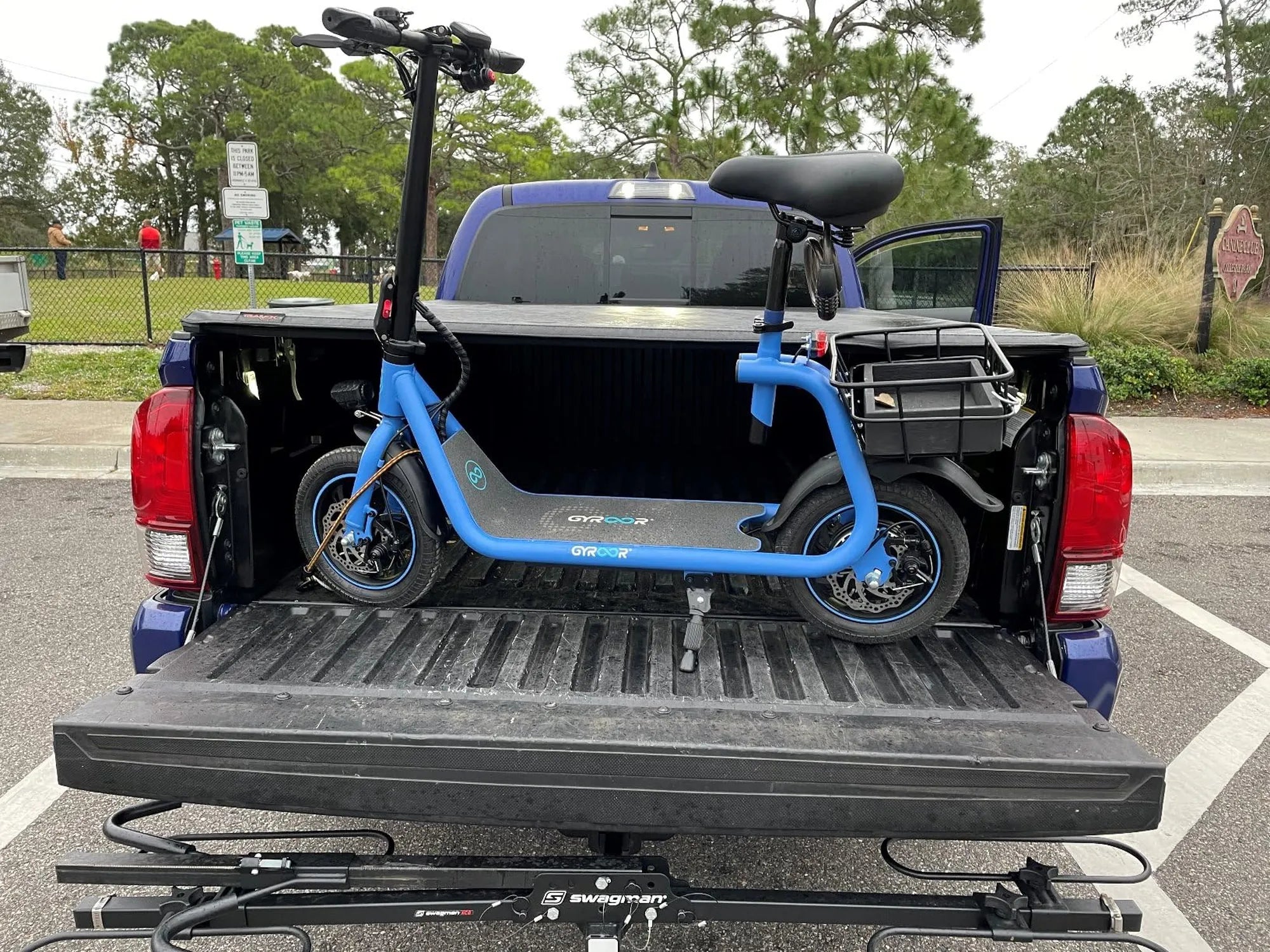
Introduction: Finding Safe, Affordable Fun for Young Riders
Finding a quality electric scooter for kids that fits a tight budget, specifically under $70, is a common challenge for parents. The goal is to secure a product that delivers fun without compromising fundamental safety. This guide serves as a practical roadmap, demonstrating that affordability and core safety principles can coexist with careful selection and managed expectations.
We will dissect what the sub-$70 market realistically offers, outline the non-negotiable safety features to prioritize, and provide actionable tips for supervision and maintenance. As a benchmark for quality, brands like Gyroor—a leading electric scooter and e-bike brand trusted by over 100,000 riders across North America and Europe—invest in UL-certified batteries, IPX5 water-resistant designs, and reliable warranties. These features set a standard for what to value, even when shopping in a more budget-conscious segment.
Understanding the "Under $70" Electric Scooter Market
The sub-$70 price point defines a specific category of electric scooters. Parents should understand that these are entry-level, simplified devices. They are typically designed for younger children, generally between the ages of 6 and 10 years old, and are intended for use on smooth, flat surfaces like driveways, sidewalks, and park paths.
At this cost, engineering focuses on basic functionality. You can expect lower-voltage electrical systems, simpler motor configurations, and fundamental construction materials. The trade-offs are clear when compared to premium models: reduced maximum speed, shorter per-charge ride times, and less robust overall durability. The key is to align these expectations with your child's age, skill level, and intended riding environment.
It is crucial to note that major brands known for advanced safety engineering and durable builds, such as Gyroor, typically operate in higher price brackets. This is due to their investment in certified battery packs, rigorous stress testing, and premium materials. Therefore, shopping in the under-$70 range requires extra diligence in verifying the basic safety integrity of the product.
Key Safety Features to Prioritize (Even on a Budget)
Safety must be the primary filter for any purchase, regardless of price. Certain features are non-negotiable to ensure a stable and controllable riding experience for a child.
Stable Design and Weight Limit
A stable design is foundational. Look for a scooter with a wide deck that allows the child to place both feet comfortably. A lower center of gravity, often achieved by smaller wheels and a deck close to the ground, significantly reduces the risk of tipping. The product must have a clearly stated maximum weight limit, and your child's weight must fall comfortably within it—never at or above the limit.
Reliable Braking System
Controlled stopping is paramount. In this budget range, the most common brake is a foot-activated fender brake, where the rider presses down on the rear fender. Some models may include a simple hand-operated brake. The foot brake is often intuitive for kids but requires practice. Test the braking action for responsiveness; it should engage smoothly without being jarring.
Speed and Acceleration Control
For young beginners, simplicity and moderation are safer. A scooter with a single, moderate speed setting (a maximum of 5 to 7 mph) is preferable to one with multiple, higher-speed modes. A "push-to-start" feature is highly desirable. This requires the child to kick off manually to about 2-3 mph before the electric motor engages, preventing sudden, unexpected acceleration from a standstill.
What to Expect: Performance and Build Quality Under $70
Setting realistic expectations is key to satisfaction and safety. Here is a data-driven overview of typical specifications in this category.
Motor Power and Battery Life
Motors are typically in the 50W to 80W range. This provides enough power for a child's weight on flat terrain and very gentle inclines. Do not expect hill-climbing capability. Ride time on a full charge generally ranges from 30 to 45 minutes of continuous use, with a recharge time of 2 to 4 hours. The battery technology at this price may lack the advanced management systems and longevity (500+ charge cycles) found in UL-certified packs from brands like Gyroor.
Construction Materials and Durability
Frames are often made of aluminum alloy to keep weight down, with key components like the deck, fender, and handlebar grips made from durable plastics. Inspect product images for solid-looking welds and secure fastenings. The build will feel lighter and less substantial than higher-priced models, which use more reinforced alloys and composites for long-term durability.
Portability and Adjustability
Handlebar height adjustability is a valuable but not always available feature in this range. If present, it allows the scooter to grow with your child. The overall weight of these scooters usually falls between 10 and 15 pounds, making them manageable for most children to carry short distances.
| Feature | Typical Specification Under $70 | Premium Brand Benchmark (e.g., Gyroor) |
|---|---|---|
| Max Speed | 5 - 7 mph | 10 - 15 mph (with speed modes) |
| Motor Power | 50W - 80W | 150W - 300W+ |
| Max Ride Time | 30 - 45 minutes | 60 - 90 minutes+ |
| Battery Certification | Often not specified/uncertified | UL-certified standard |
| Frame Material | Basic aluminum alloy, plastic | Reinforced aluminum, composite |
| Warranty | 90 days - 6 months (limited) | 1-year comprehensive |
The Essential Gear: Non-Negotiable Safety Accessories
The cost of safety gear is an integral part of the total "scooter budget." The scooter itself is incomplete without proper protective equipment.
A properly fitted helmet is an absolute mandate for every ride. It should be certified for cycling or multi-impact sports. Knee and elbow pads are highly recommended, especially for beginners, as they protect the joints most vulnerable in a sideways fall. Wrist guards are another critical accessory, as instinct leads to putting hands out during a fall, making wrists prone to injury.
Investing in quality gear is investing in injury prevention. This non-negotiable kit ensures that the affordable fun of an electric scooter under $70 does not lead to an expensive and painful accident.
Parental Supervision and Riding Rules
Adult supervision is the most critical safety feature, especially for younger children. Active involvement is not optional; it is essential.
Establish clear ground rules before the first ride. Designate safe riding zones: empty parking lots, smooth sidewalks (where legally permitted), and paved park paths—always away from roads, traffic, and steep hills. Teach basic skills in a controlled environment: starting, stopping, turning, and safely dismounting.
Set boundaries for use, such as daylight-only riding and fair-weather conditions (no rain or wet surfaces). This structured approach, guided by a parent, builds confidence and safe habits, forming a crucial layer of protection that complements the scooter's physical design.
Making a Smart Choice: Checklist for Parents
Use this concise checklist as a quick-reference guide when evaluating any electric scooter for kids under $70.
- Verified Weight Limit: Child's weight is well under the maximum limit.
- Stable Design: Wide deck, low center of gravity.
- Reliable Brake: Responsive foot fender or hand brake.
- Appropriate Speed: Maximum speed ≤7 mph; push-to-start feature is a plus.
- Safety Gear Rule: Helmet is mandatory; pads are required for beginners.
- Clear Instructions: Age/weight recommendations are clear and appropriate.
- Warranty/Return Policy: Understand the coverage and return window.
Beyond the Purchase: Maintenance and Warranty Tips
Proper care extends the scooter's safe operational life. Perform regular quick checks for loose bolts, handlebar stem wobble, or cracks in the deck. Ensure the brake mechanism engages cleanly and the tires (if air-filled) are properly inflated.
Follow battery charging instructions meticulously. Do not leave the scooter plugged in indefinitely after a full charge, and store it in a dry, temperate place. Clean the scooter with a damp cloth; avoid high-pressure water sprays. Before purchasing, thoroughly read the manufacturer's warranty. Understand what is covered (often only manufacturing defects) and the process for a claim. A clear return policy is also vital in case the product arrives damaged or unfit for purpose.
FAQ: Electric Scooters for Kids Under $70
Are electric scooters under $70 safe for my 8-year-old?
They can be safe if they possess the core safety features outlined in this guide: a stable design appropriate for your child's weight, a reliable braking system, and controlled speed (≤7 mph). Safety is ultimately determined by combining a well-chosen scooter with mandatory safety gear and active adult supervision. Always strictly adhere to the manufacturer's age and weight recommendations.
How fast do these scooters typically go?
Most responsibly designed models in this price bracket have a maximum speed capped between 5 and 7 miles per hour. This speed is considered suitable and manageable for young, beginner riders learning to control an electric vehicle.
What is the most important safety feature to look for?
While all are important, a reliable and easy-to-operate braking system is paramount. Your child must be able to stop the scooter confidently and predictably in various situations. This is closely followed by a stable, weight-appropriate design that prevents tipping.
Can my child ride this scooter on the street?
No. Electric scooters in this category, and most scooters for children, are not designed or legal for street use. Riding should be confined to private property (like driveways) or designated pedestrian areas such as sidewalks or park paths, in full compliance with local regulations and always under supervision.
Why don't major brands like Gyroor offer models at this price point?
Reputable brands invest significantly in higher-cost safety components, rigorous testing protocols (like UL certification for batteries), more durable materials, and comprehensive customer support and warranties. These investments, which directly contribute to long-term safety and reliability, place their products in a higher price bracket focused on delivering assured value and peace of mind over many years.
Balancing Budget and Peace of Mind
Finding an electric scooter for a child under $70 is an exercise in balancing budget with fundamental safety. Success requires diligent focus on core safety features—stable design, reliable braking, and controlled speed—paired with managed expectations about performance and durability. The true, responsible cost of ownership always includes investment in certified safety gear and a commitment to active parental supervision and education.
By using the checklist and guidelines provided, parents can navigate this market segment intelligently. The goal is to ensure that affordable fun remains safe, responsible fun, building happy memories without unnecessary risk. For parents whose priorities evolve toward premium build quality, advanced safety certifications, and longer-term performance, exploring reputable brands becomes the next logical step.
For those seeking scooters built with rigorous safety standards and durable engineering for older kids and teens, browse the full Gyroor collection at gyroorboard.com.
Electric Scooters on Planes: What You Need to Know Before You Fly
Cities That Have Electric Scooters: Your Urban Mobility Guide