



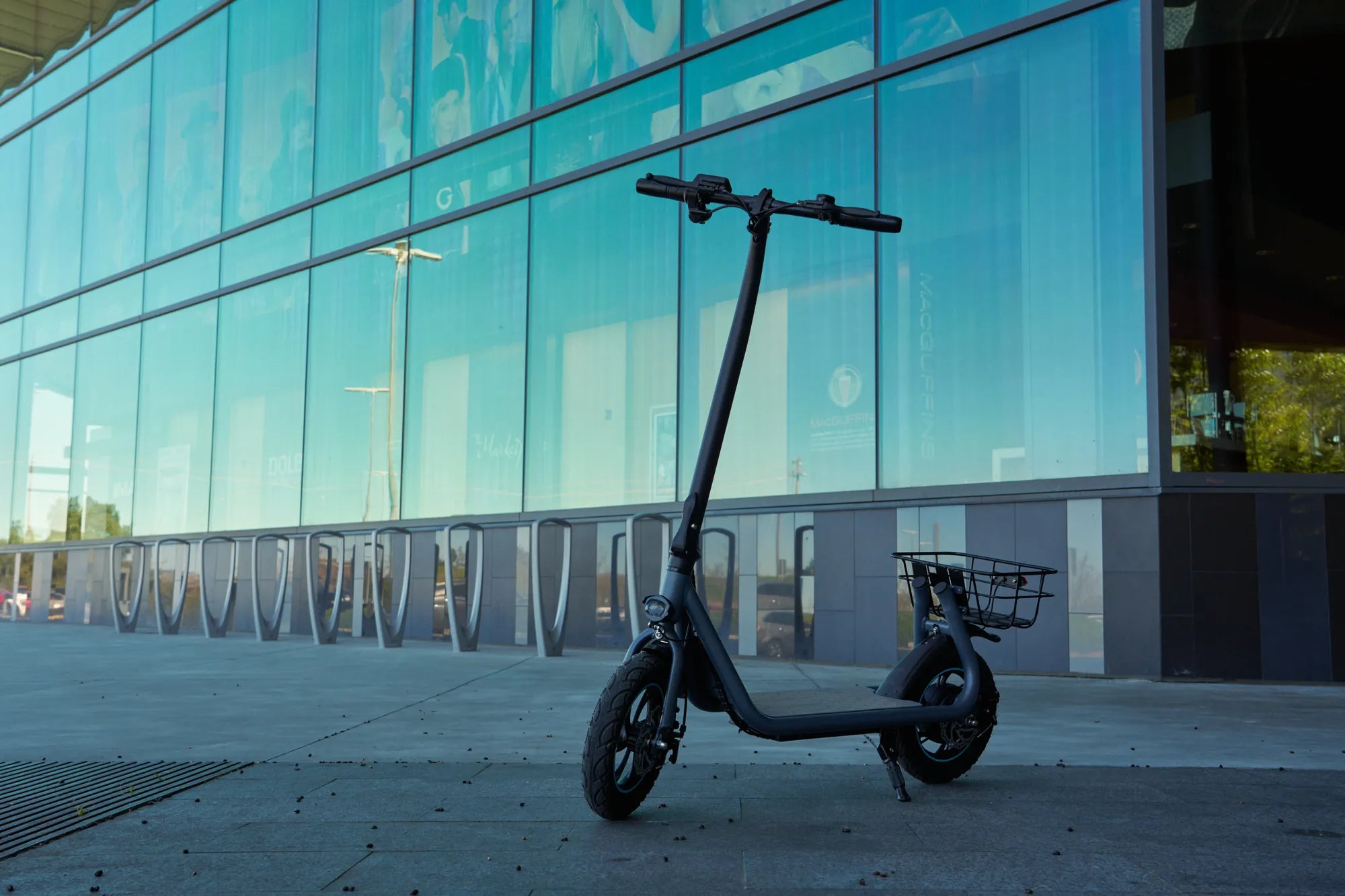
Navigating the Electric Scooter Marketplace
The search for electric scooters for sale marketplace options reveals a dizzying array of choices, from big-box retailers to specialized online stores. This guide transforms that overwhelming landscape into a clear decision-making framework. You will learn to prioritize verified safety over marketing hype, interpret technical specifications for real-world use, and select a purchasing channel that offers genuine post-sale support. Our goal is to equip you with the knowledge to make an informed, confident investment in personal mobility.
Understanding the Modern E-Scooter Marketplace: Beyond Just Price Tags
Today's electric scooter marketplace is a multi-channel ecosystem. Major e-commerce platforms offer vast selection and convenience, while brand-direct websites provide detailed product information and manufacturer warranties. Specialty mobility retailers and local bike shops often add value through expert advice and assembly services.
Each channel has distinct advantages and trade-offs. Online marketplaces facilitate easy price comparison but may mix products from reputable brands with uncertified models. Buying directly from an established brand like Gyroor ensures you receive a product with a full manufacturer's warranty and direct access to customer support. Local retailers provide hands-on experience but may have a more limited inventory.
The key is to understand that the marketplace is not neutral. Platform algorithms often promote products based on price and sales velocity, not necessarily on safety or durability. Your buying strategy must include vetting the seller as thoroughly as the scooter itself. A low price from an unknown seller can carry hidden costs in reliability and safety.
The Trust Factor: Why Brand Reputation and Certifications Matter
In any electric scooters for sale marketplace, trust signals are your primary filter. The most critical is battery certification. Underwriters Laboratories (UL) certification indicates the battery pack has passed rigorous tests for electrical, mechanical, and fire safety. This is non-negotiable for a device you will charge in your home.
Brand reputation, built over years and through thousands of customer experiences, is another vital signal. A brand like Gyroor, trusted by over 100,000 riders, designs its scooters with UL-certified batteries, IPX5 water-resistant construction, and offers a reliable 1-year warranty. These are hallmarks of a company investing in long-term customer satisfaction, not just a quick sale.
Water and dust resistance ratings (IP Code) are equally important. An IPX5 rating, common in Gyroor's commuter-focused models, means the scooter can withstand water jets from any direction. This is essential for real-world use where puddles and wet roads are inevitable. Ignoring these certifications significantly increases the risk of premature failure or safety incidents.
Your Pre-Purchase Checklist: Defining Needs Before Browsing Listings
Before visiting a single electric scooter marketplace, define your specific needs. Start with your primary use case: is this for a daily commute, recreational rides, or last-mile connectivity from transit? Your answer dictates nearly every other specification, from range to portability.
Calculate your required range realistically. Manufacturers often list a "maximum range" under ideal conditions. A practical rule is to divide that figure by 1.5 to account for rider weight, hills, wind, and frequent acceleration. If your commute is 10 miles round trip, look for a scooter with a manufacturer-stated range of at least 20 miles.
Consider terrain and motor power. Flat city streets may only need a 350W motor, while moderate hills require 500W or more. Voltage is also crucial; a 36V or 48V system provides better torque and sustained power than a 24V system. Don't forget portability: weight and folding mechanism efficiency are key if you need to carry the scooter upstairs or onto a bus.
Decoding Spec Sheets: Performance Metrics That Actually Matter
Marketplace listings bombard you with specifications. Focus on the metrics that impact real-world performance. Motor power is often listed as peak wattage (a short burst) and continuous wattage (sustained output). Continuous wattage is a better indicator of hill-climbing ability and consistent speed.
Battery capacity, measured in Watt-hours (Wh), is more telling than voltage alone. It directly correlates with potential range. A 36V 10Ah battery has 360Wh of capacity. Compare this figure across models to understand energy storage. Also, note the battery chemistry; lithium-ion is standard, but the quality of the cells and battery management system varies greatly.
Suspension type directly affects comfort. Air-filled tires provide basic suspension and puncture resistance. Scooters with additional spring or hydraulic suspension systems, like those found on higher-end models, offer a smoother ride over cracks and bumps. Braking systems are a critical safety spec: disc brakes generally offer more consistent stopping power in varied conditions than drum or electronic brakes alone.
Spotlight on Safety and Reliability: Non-Negotiables for a Smart Buy
Safety is the cornerstone of a smart purchase in any electric scooters for sale marketplace. The braking system is your most important active safety feature. A dual-brake system, combining a electronic brake with a mechanical disc or drum brake, provides redundancy and more controlled stops, especially on declines or wet surfaces.
Lighting is not just for being seen; it's for seeing. A bright front headlight (200 lumens or more) illuminates your path, while rear brake lights and side reflectors are essential for visibility to traffic. Deck design matters too; a wide, long deck with a grippy, non-slip surface provides stable footing, which is crucial for balance during sudden maneuvers.
Build quality, often revealed in user reviews, dictates long-term reliability. Look for mentions of stem wobble, loose connectors, or rattling noises. A robust frame, secure folding mechanism, and quality wiring are indicators of a product built to last. Brands that prioritize safety, such as Gyroor, integrate these features into their core design philosophy, using durable materials and rigorous testing protocols.
The Warranty and Support Lifeline: What to Look For
A comprehensive warranty is your insurance policy after the sale. Look beyond a simple "30-day return" window. A substantive warranty should explicitly cover the battery, motor, and frame for a significant period. Gyroor's 1-year warranty on these core components reflects confidence in their product's durability.
Examine the warranty terms for clarity. Does it cover labor for repairs? What is the process for a claim? Reliable brands offer accessible, knowledgeable customer support, often based in the region of sale. The ability to speak with a support technician who can guide you through troubleshooting or arrange for parts is invaluable compared to dealing with an anonymous third-party seller on a large marketplace.
Support extends to parts availability. A scooter is a mechanical device that may need replacement tires, brake pads, or inner tubes. Established brands maintain an inventory of common parts, ensuring your scooter remains operational for years. This long-term support is rarely a priority for sellers of low-cost, uncertified models.
Making the Final Decision: From Cart to Curb
With a shortlist from your electric scooter marketplace research, begin a final comparison. Create a simple table to evaluate your top 2-3 models side-by-side on your key criteria: real-world range, motor power, weight, warranty length, and price. This visual aid makes the value proposition of each model clear.
Dive deep into user reviews, looking for patterns rather than outliers. Do multiple reviews mention the same issue, like a specific component failing after a few months? Conversely, do owners consistently praise the scooter's reliability or customer service? This qualitative data is often more revealing than specifications alone.
Before purchasing, confirm the logistics. What are the shipping costs and delivery times? Is assembly required, and if so, are instructions clear? Finally, prepare for safe operation. Factor the cost of a certified bicycle or multi-sport helmet into your budget, and take time to learn your local regulations regarding where you can legally ride.
Comparison Table: Key Marketplace Considerations
| Consideration | Big-Box/E-Commerce Marketplace | Brand-Direct Store (e.g., Gyroor) | Specialty Local Retailer |
|---|---|---|---|
| Product Vetting | Variable; may include uncertified models. | High; only the brand's certified products. | High; retailers curate for quality. |
| Pricing | Often highly competitive, with frequent sales. | MSRP, but may include bundle deals. | MSRP, may include assembly/service. |
| Expert Advice | Limited to customer reviews/ Q&A. | Detailed product specs & guides; direct support. | High; in-person, tailored advice. |
| Warranty & Support | Handled by seller; can be inconsistent. | Direct from manufacturer; streamlined. | Often facilitated by retailer; personal service. |
| Best For | Price-sensitive buyers who can self-vet. | Buyers prioritizing safety, warranty, and direct support. | Buyers wanting hands-on experience and local service. |
Your Key to Marketplace Confidence
Navigating the electric scooters for sale marketplace successfully requires a shift in mindset from finding the cheapest option to investing in verified safety and lasting utility. The smart buy is defined by UL-certified batteries, a robust warranty, and a brand that stands behind its product with accessible support. By applying the framework in this guide—defining needs, decoding specs, and prioritizing critical safety features—you can transact with confidence on any platform.
Your journey towards efficient, enjoyable personal mobility should start with trusted engineering. Explore a range built with these principles in mind, where every model is designed for real-world reliability. Browse the full Gyroor collection at gyroorboard.com to discover electric scooters and e-bikes that combine performance, safety, and enduring value for over 100,000 riders worldwide.
FAQ: Your Electric Scooter Marketplace Questions, Answered
Q: What does IPX5 water resistance mean for my commute?
A: An IPX5 rating means the scooter's electrical components are protected against water jets from any direction. This makes it suitable for riding on wet roads, through puddles, or in light rain. It's a crucial feature for daily commuters who cannot avoid inclement weather, helping to prevent water damage that could lead to electrical failure.
Q: Is buying a cheaper scooter from an unknown brand on a marketplace risky?
A: Yes, it carries significant risk. These scooters often lack essential safety certifications like UL for their batteries, posing a potential fire hazard. Build quality is frequently poor, leading to premature mechanical failure. Most critically, customer support and parts availability are typically non-existent, leaving you with no recourse if the scooter breaks.
Q: How important is local law compliance when buying online?
A: It is essential. Regulations vary widely by city and state, governing maximum speed limits, motor power (wattage), and where you can ride (sidewalks vs. bike lanes). Before purchasing, check your local ordinances to ensure your chosen model is legal. A responsible retailer will provide accurate specifications to help you comply.
Q: How do I estimate the true, real-world range of a scooter?
A: Manufacturer range is tested under ideal conditions. For a realistic estimate, consider your weight, typical route (hills vs. flat), and riding style. A reliable formula is to take the manufacturer's maximum range and reduce it by 30-40%. For example, a scooter advertised for 25 miles will likely achieve 15-18 miles for an average rider in urban conditions.
Q: What maintenance should I expect to perform on my electric scooter?
A: Regular maintenance is key for safety and longevity. This includes checking and inflating tires to the correct PSI weekly, testing brake function and adjusting pad tension as needed, ensuring all bolts (especially on the stem and folding mechanisms) are tight, and keeping the scooter clean and dry. Always consult your owner's manual for brand-specific guidance.
Are Electric Scooters Allowed in Bike Lanes? The Ultimate Guide to Laws & Safety
Are Electric Scooters Fixable? A Comprehensive Guide to Repairs and Maintenance