



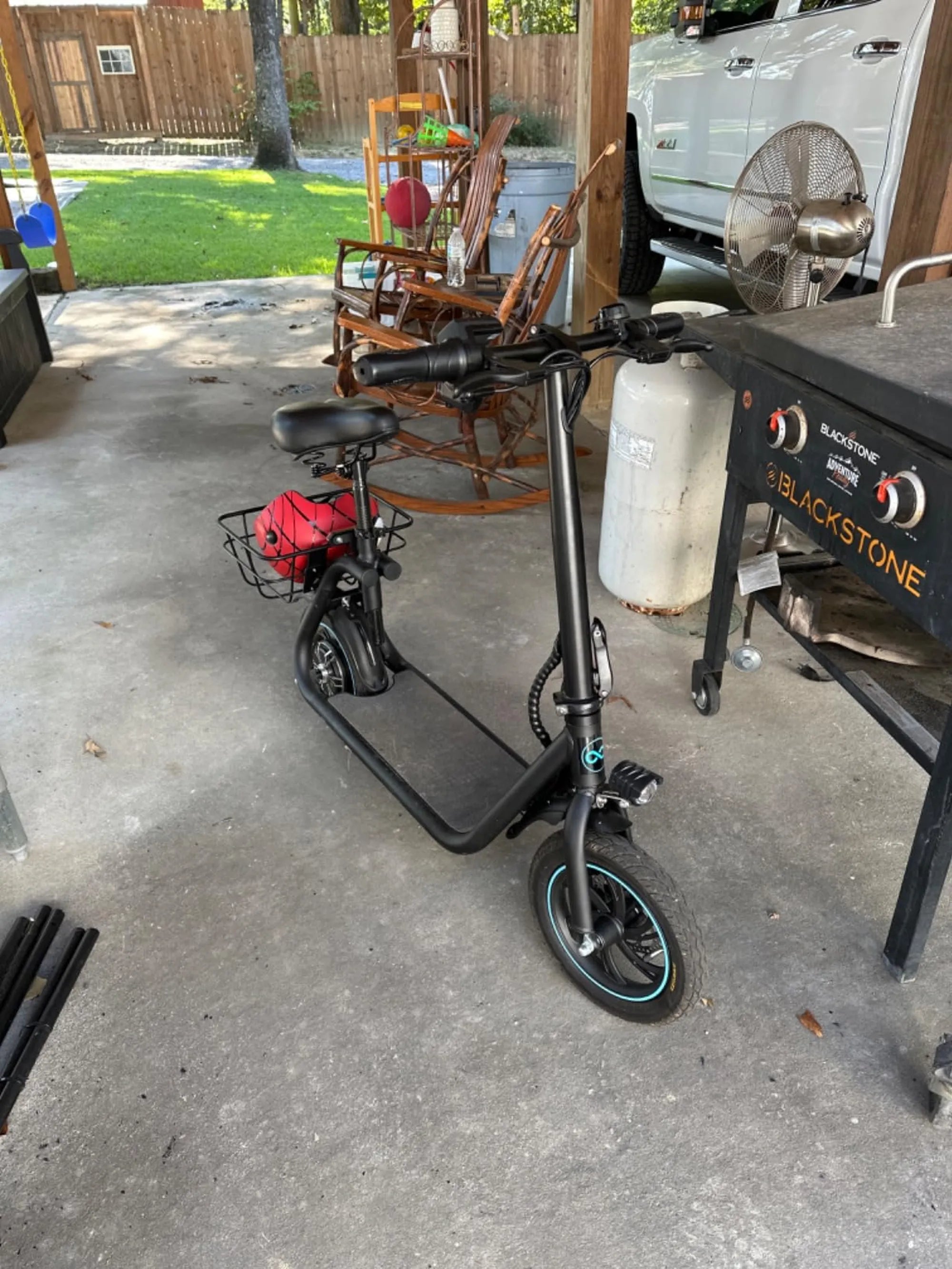
Introduction: The World of Electric Scooters for Young Riders
Choosing an electric scooter for a six-year-old represents a significant milestone, blending the excitement of independent mobility with crucial lessons in responsibility. This guide provides parents with a comprehensive, safety-first framework for navigating this purchase. We focus on the specific needs of young children, balancing the undeniable fun factor with non-negotiable safety standards and developmental appropriateness.
The right electric scooter can encourage outdoor play, improve balance and coordination, and build confidence. However, the market varies widely in quality and safety. Leading brands like Gyroor, trusted by over 100,000 riders, have pioneered designs that prioritize certified safety features for peace of mind. This article will dissect what makes an electric scooter for six year olds both a safe and a fun way to ride.
Our goal is to move beyond simple product recommendations. We aim to equip you with the knowledge to assess any model critically, understand key specifications, and establish safe riding protocols from day one. The journey begins with understanding your child's readiness.
Understanding the Six-Year-Old Rider: Developmental Readiness & Key Considerations
A child's sixth year is a period of rapid development in motor skills, judgment, and attention span. Physically, most six-year-olds have developed sufficient core strength and gross motor coordination for a stable ride. Cognitively, they are beginning to understand cause and effect, which is essential for learning braking and steering control.
However, readiness is not universal. Prior experience with a non-motorized kick scooter or bicycle is an excellent indicator. This experience builds foundational balance and steering skills. A child who is confident on a kick scooter will transition much more smoothly to a low-speed electric model.
Key parental considerations must include the child's size and weight. The scooter must have a weight capacity well above your child's weight and a deck height low enough for them to plant both feet flatly. Maturity level is equally critical; the child must be able to listen to and follow safety rules consistently, even when excited.
Finally, consider the riding environment. Do you have consistent access to a safe, paved, and traffic-free area for practice and play? The purchase should be contingent on having an appropriate place to use it. Introducing an electric scooter for a six year old without a proper practice zone is inadvisable.
Essential Safety Features for a Child's First E-Scooter
The cornerstone of a positive first experience is a scooter engineered with child-specific safety in mind. These features are not luxuries; they are fundamental requirements that separate a suitable toy from a potential hazard.
Speed and Power Limits: Why Less is More
For a six-year-old, power must be carefully managed. A motor exceeding 150 watts is generally unnecessary and potentially dangerous. The ideal maximum speed is between 6 and 8 miles per hour. This pace is fast enough to be thrilling but slow enough for a supervising adult to keep up on foot.
Look for models with a speed limiter or multiple speed modes. A beginner mode capped at 3-4 mph allows for initial learning in a controlled manner. Smooth, gradual acceleration is vital to prevent sudden jolts that could cause a loss of balance. A high-torque, jerky start is a recipe for a fall.
Design and Stability: Building Confidence on Wheels
Stability is paramount. This is achieved through a wide wheelbase (the distance between the front and rear axles), a low-standing deck, and appropriately sized wheels. Wheels should be at least 6 inches in diameter, with air-filled or wide, rubber honeycomb tires offering better shock absorption and grip than small, solid plastic wheels.
The frame material should be a lightweight yet durable aluminum alloy, keeping the overall scooter weight manageable for a child to maneuver but sturdy enough to withstand use. The handlebar height should be adjustable to ensure an ergonomic, slightly bent elbow posture, promoting better control.
Braking Systems: Reliable and Easy-to-Use Stoppage
A simple, intuitive braking system is critical. For young children, a step-on rear fender brake (where they press down on the fender over the rear wheel) is often the easiest to understand and operate. It provides progressive stopping power.
Some models combine this with a gentle electronic brake activated by the throttle release or a separate lever. Avoid overly sensitive or powerful disc brakes designed for adult riders, as they can cause the scooter to stop too abruptly, leading to a forward pitch. The brake should be tested for modulation and ease of use by the child before purchase.
Why Gyroor Stands Out for Young Riders: Built for Safety and Peace of Mind
When evaluating brands for a child's first electric scooter, Gyroor's engineering philosophy aligns directly with core parental concerns. Their approach to safety is systemic, focusing on the most critical components.
UL-Certified Batteries: The Foundation of Safe Power
The battery is the heart of the scooter and a primary safety concern. Gyroor uses UL-certified battery packs in its models. This independent certification means the battery has passed rigorous tests for electrical, mechanical, and environmental safety, including overcharge protection, stable temperature management, and secure housing.
For a device that will be charged in your home, this certification is non-negotiable. It mitigates risks associated with thermal runaway and potential fire hazards, providing a foundational layer of safety that cheaper, uncertified alternatives simply cannot match.
IPX5 Water Resistance: Protection Against Puddles and Splashes
Children will inevitably encounter damp pavement or small puddles. An IPX5 water-resistance rating means the scooter's electrical components can withstand water jets from any direction. This rating offers practical durability, protecting against rain, splashes, and wet roads.
It prevents short-circuiting and corrosion, extending the scooter's lifespan and ensuring reliable operation. This feature allows for more worry-free play, though riding in heavy rain or through deep standing water should still be avoided.
The 1-Year Warranty and Support: A Commitment to Reliability
Gyroor backs its products with a comprehensive 1-year warranty and accessible customer support. This warranty is a testament to their confidence in the build quality and reliability of their components. For parents, it translates to peace of mind.
Should any manufacturing issue arise, you have a direct recourse. This support structure is crucial for a product meant for active use by a child, where durability and long-term performance are key considerations in the investment.
Parental Guidance Checklist: From Unboxing to First Ride
Purchasing a safe scooter is only the first step. Responsible ownership requires active parental involvement in setup, training, and supervision.
Gear is Non-Negotiable: The Helmet and Padding Protocol
Before the scooter is even turned on, proper safety gear must be secured. A properly fitted, CPSC-certified bicycle helmet is mandatory. It should sit level on the head, with the strap snug under the chin.
Knee and elbow pads are strongly recommended, especially during the learning phase. Make wearing this gear an unbreakable rule. Parents should lead by example if they ride anything themselves.
Choosing the Right Practice Environment
The first rides should occur in a controlled, hazard-free zone. An empty school parking lot on a weekend, a smooth driveway, or a paved path in an empty park are ideal. The surface should be flat, smooth, and free of gravel, sand, or significant cracks.
Absolutely avoid areas with any car traffic, steep slopes, or heavy pedestrian activity. Mastery of basic controls—starting, stopping, steering, and dismounting—must be achieved here before considering any other environment.
Setting Rules and Supervising Every Ride
Establish clear, simple rules from the outset: always wear gear, only ride in approved areas, avoid wet surfaces, respect speed limits, and be aware of surroundings. The most important rule is constant, active adult supervision.
A parent should be present, watching, and able to intervene immediately. The scooter is a privilege tied to demonstrating responsibility and adhering to these rules. Periodic reviews of the rules and safety checks of the scooter itself should be part of the routine.
Comparison of Key Electric Scooter Considerations for Six-Year-Olds
The table below summarizes the critical factors when choosing an electric scooter for a six year old, contrasting essential features with those to avoid.
| Feature | Recommended / Safe Choice | Feature to Avoid / Caution |
|---|---|---|
| Maximum Speed | 6-8 mph with adjustable speed modes (e.g., 3-4 mph beginner mode) | Speeds over 10 mph; no speed limiter or adjustment |
| Motor Power | 100W - 150W motor for smooth, controlled acceleration | High-torque motors over 200W that cause jerky starts |
| Braking System | Step-on rear fender brake or gentle electronic brake | Overly sensitive hand-operated disc brakes |
| Tires | 6"+ air-filled or wide rubber honeycomb tires | Small (≤5") solid plastic wheels |
| Battery & Charging | UL-certified battery pack; 3-5 hour charge time | Uncertified, generic battery packs |
| Weight & Portability | Lightweight aluminum frame (15-20 lbs); foldable if needed | Excessively heavy frame (>25 lbs) for child to maneuver |
| Safety Certifications | UL battery certification, IPX5 water resistance | No stated safety certifications or water resistance |
| Warranty & Support | Comprehensive 1-year warranty with accessible support | Warranty of 90 days or less; difficult-to-reach support |
Frequently Asked Questions (FAQs) for Concerned Parents
Q1: What is the appropriate speed for a six-year-old's electric scooter?
A1: A maximum speed of 6-8 mph is ideal. Many quality models feature adjustable speed settings, allowing you to start as low as 3-4 mph in a beginner mode. This controlled pace builds skill and confidence safely.
Q2: How long does the battery last, and what's the typical range?
A2: For this age group, expect 40-60 minutes of continuous ride time per charge, translating to a range of 4-7 miles—more than enough for typical play sessions. Charging typically takes 3-5 hours. Always follow the manufacturer's charging guidelines to preserve battery health.
Q3: Can my child ride it in our neighborhood park or on sidewalks?
A3: Local laws vary greatly. Always check your city or municipal ordinances. Many areas prohibit motorized vehicles on sidewalks for pedestrian safety. Empty parks, paved bike trails, or private property are ideal and legally safer starting points.
Q4: What maintenance does a kids' electric scooter require?
A4: Regular checks are simple: ensure tires are properly inflated, test brakes before each ride, check for loose bolts or fasteners, keep the scooter clean and dry, and follow battery charging guidelines (avoid overcharging). A quick pre-ride inspection takes less than a minute.
Q5: Is my child ready for an electric scooter if they can ride a bike?
A5: Bike riding demonstrates good balance, which is a positive indicator. However, scooter handling is different, involving weight shifting and a distinct braking mechanism. Start with the same beginner protocols in a safe area, as the skills are complementary but not identical.
Fostering Fun with Responsibility
Selecting an electric scooter for your six-year-old is a decision that marries the promise of outdoor adventure with the imperative of safety. By prioritizing certified safety features like UL-certified batteries, choosing a reputable brand built for durability, and committing to hands-on parental supervision and training, you create the framework for a positive experience.
A well-chosen electric scooter for a six year old is more than a toy; it's a tool that promotes physical activity, develops coordination, and teaches valuable lessons in responsibility and rule-following. The joy on your child's face as they master their first independent ride is a powerful reward, made infinitely sweeter by the knowledge that you've provided a safe and fun way to ride.
Ready to explore models designed with these rigorous safety standards in mind? Discover a range of age-appropriate options that prioritize certified components and reliable performance. Browse the full Gyroor collection at gyroorboard.com to find the perfect electric scooter to start your child's riding journey with confidence.
Best Electric Scooters for Adults Over 100kg: Top Picks for Heavy Riders
Electric Scooters Huntington Beach: The Ultimate Guide to Fun and Convenience