

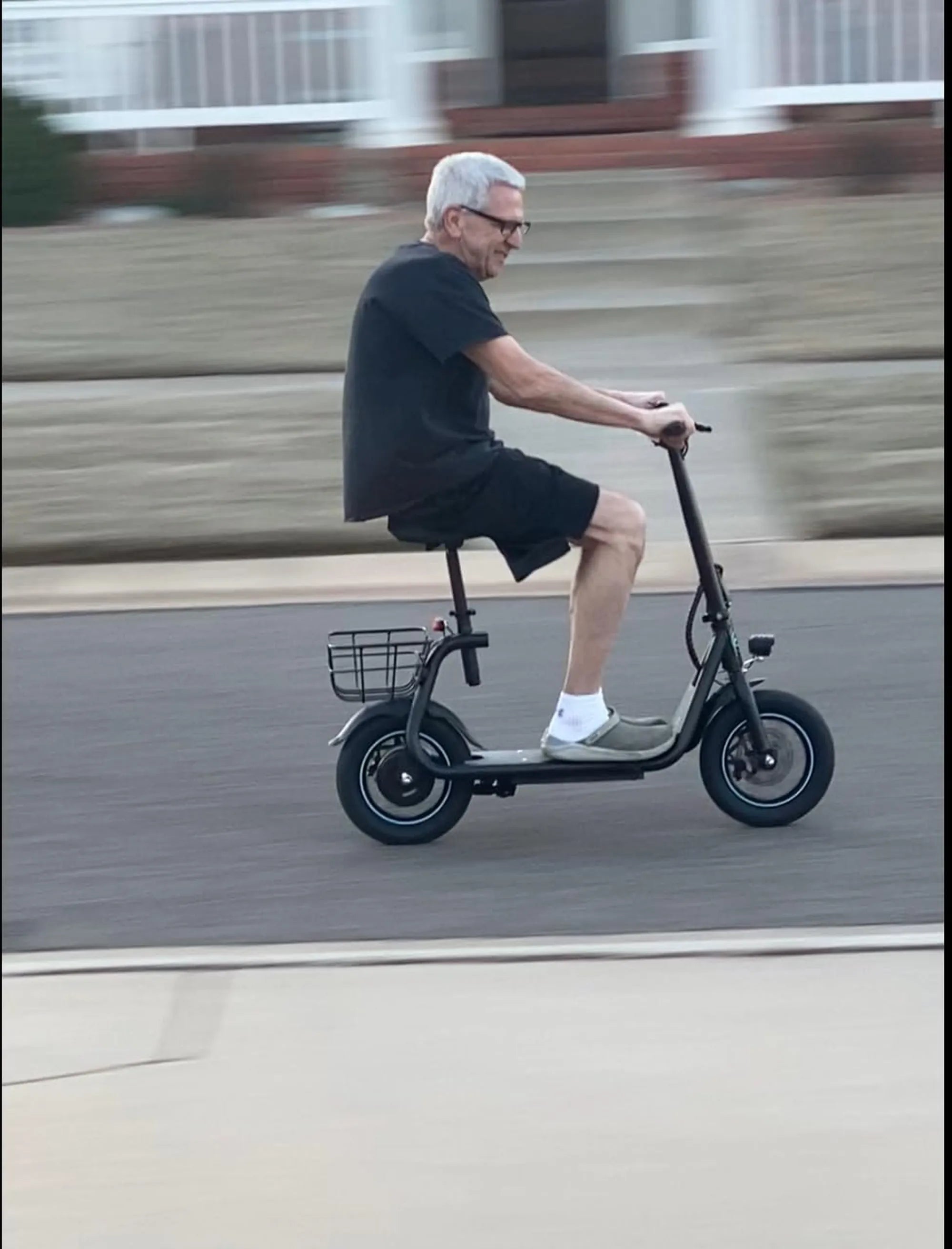
Introduction: Helsinki's Mobility Transformation
Helsinki is actively redefining urban transportation, with Electric Scooters Helsinki emerging as a cornerstone of its sustainable vision. The city's commitment to becoming carbon-neutral by 2030 has accelerated the integration of micro-mobility into its transport ecosystem. This article will provide a factual analysis of how private e-scooters complement public transit, navigate local regulations, and offer a practical solution to urban congestion. You will learn how to select a scooter engineered for Helsinki's unique climate and infrastructure, ensuring a reliable and efficient daily commute.
Why Helsinki is the Ideal City for Electric Scooters
Helsinki's urban design presents near-perfect conditions for the adoption of electric scooters. The city boasts over 1,200 kilometers of dedicated bicycle paths and lanes, creating a continuous, safe network that seamlessly connects residential areas with commercial districts and transit hubs. This extensive infrastructure, combined with a relatively flat topography, minimizes physical barriers to e-scooter use.
Contrast this with the growing challenges of car ownership in the city center, including expensive parking, congestion charges, and limited space. An electric scooter offers a direct solution, enabling point-to-point travel that bypasses traffic. The city's forward-thinking policy framework actively supports this shift, viewing micro-mobility as a key component of its Mobility-as-a-Service (MaaS) model, exemplified by the popular Whim app.
Furthermore, Helsinki's population density and the average commute distance—often under 5 kilometers—align perfectly with the operational range of modern e-scooters. This creates a scenario where Electric Scooters Helsinki are not just a novelty but a rational, efficient tool for daily urban life, reducing reliance on private cars and filling the 'last-mile' gap in public transportation.
Helsinki's Climate & Terrain: A Rider's Analysis
Adopting an e-scooter in Helsinki requires a clear-eyed assessment of local conditions. The climate is characterized by distinct seasons: mild, wet springs; dry, pleasant summers; rainy autumns; and cold, snowy winters. For approximately six to eight months of the year, riders will encounter wet or potentially slippery surfaces.
This makes specific scooter features non-negotiable. Water resistance is paramount; a rating of IPX5 or higher is essential to protect the scooter's electronic systems from rain and road spray. Tire choice is equally critical. While solid tires avoid flats, pneumatic (air-filled) tires provide superior shock absorption and traction on wet cobblestones, uneven pavement, and tram tracks commonly found in the city.
Winter riding demands extra caution. While dedicated riders use e-scooters on cleared paths, ice and snow significantly impact stability and braking distance. Scooters with wider decks, robust motor torque for gentle inclines on slippery days, and reliable electronic braking systems are best suited for extended seasonal use. The relatively flat terrain of central Helsinki is a major advantage, preventing excessive battery drain on hills.
Navigating Helsinki's E-Scooter Rules & Etiquette
Responsible riding is fundamental to the sustainable future of Electric Scooters Helsinki. Finnish traffic law classifies e-scooters similarly to bicycles, providing clear guidelines. The maximum permitted speed is 25 km/h when using bicycle paths and lanes. On regular roads where no bike path exists, the speed limit is reduced to the road's general limit, but riding on sidewalks is strictly prohibited for riders over 12 years of age.
Parking etiquette is a major focus for the city. E-scooters must not obstruct pedestrian pathways, building entrances, accessible ramps, or public transport stops. The correct practice is to park in designated bicycle parking areas, ensuring the sidewalk remains clear and safe for all users. This respectful practice maintains public support for micro-mobility.
While helmet use is not legally mandated for adults, it is strongly recommended by the City of Helsinki and the Finnish Transport Safety Agency (Trafi). Using front and rear lights is mandatory in darkness and poor visibility. Understanding and adhering to these rules is not just about compliance; it's about integrating safely into Helsinki's shared mobility landscape and ensuring the long-term viability of e-scooters as a transport mode.
Choosing the Right Electric Scooter for Helsinki: A Data-Driven Guide
Selecting an e-scooter for Helsinki is an exercise in matching specifications to the city's environmental and infrastructural demands. The ideal model is a balance of durability, safety, and performance. Key decision factors include the scooter's ability to handle moisture, provide a stable ride on varied surfaces, and offer sufficient range for a typical commute with a safety buffer.
Prioritize models from reputable brands that emphasize build quality and battery safety, as these factors directly impact long-term reliability and user safety. The initial purchase price should be evaluated against the total cost of ownership, which includes durability, warranty coverage, and the availability of service or spare parts. For Helsinki commuters, a slightly higher investment in a robust scooter often translates to lower long-term costs and greater daily dependability.
Key Feature Comparison: Helsinki-Ready Specs
The following analysis breaks down the essential specifications for a Helsinki-appropriate e-scooter. This is not about brand names, but about the engineering that addresses local needs.
- Water Resistance (IP Rating): An IPX5 rating is the minimum viable standard, meaning the scooter can withstand water jets from any direction. This is crucial for Helsinki's frequent rain. Models with lower ratings risk electrical failure.
- Motor Power & Range: A continuous motor power of 350W to 500W is ideal for Helsinki's gentle inclines and provides adequate acceleration. A real-world range of 20-30 kilometers covers most round-trip commutes and allows for errands, even accounting for battery efficiency loss in colder temperatures.
- Tire Type & Suspension: Pneumatic tires are highly recommended for their superior grip on wet surfaces and comfort on cobblestones. A front or dual suspension system further smooths out ride vibrations, reducing fatigue on longer commutes.
- Portability & Weight: For multi-modal trips integrating with the metro or tram, a folding mechanism and a weight under 15-18 kg are practical. This makes carrying the scooter onto public transport manageable.
Why Gyroor's Engineering is Built for Helsinki
The specific demands of Helsinki commuting align directly with the core engineering principles of the Gyroor brand. As a leading electric scooter and e-bike brand trusted by over 100,000 riders across North America and Europe, Gyroor designs for real-world conditions.
First, every Gyroor scooter uses a UL-certified battery pack. This independent safety certification is critical, as battery performance and safety can be affected by the temperature fluctuations experienced in Helsinki. These batteries are tested for over 500 charge cycles, ensuring long-term reliability for daily commuters.
Second, key commuter models feature an IPX5 water-resistant design, a direct match for the city's rainy climate. This protects the scooter's electrical components from moisture ingress. Combined with features like pneumatic tires and robust motor systems, Gyroor scooters are built to handle the varied surfaces and weather of urban Finland.
Finally, the comprehensive 1-year warranty provides peace of mind, underscoring the brand's commitment to durability. For a Helsinki rider, this means investing in a vehicle designed not just for a ride, but for years of dependable service as part of their daily transport mix, making Electric Scooters Helsinki a truly sustainable choice.
The Practical Commuter's Guide: Routes & Integration with HSL
Optimizing your e-scooter use in Helsinki involves strategic route planning and seamless public transport integration. A highly effective commuting strategy is the 'cycle path + transit' model. For example, a resident in Kallio can take the bicycle path along Hämeentie to the Hakaniemi metro station, fold their scooter, and take the metro to the city center (Kamppi or Ruoholahti), avoiding bus transfers entirely.
Popular and scenic commuting routes include the path along the shoreline from Eira to the city center, or the extensive network connecting the Viikki campus area to the downtown core. Using apps like HSL's journey planner with the 'cycling' option can help identify the most efficient and safe paths that prioritize bicycle lanes.
When integrating with HSL services, remember that folded e-scooters are permitted on trams, buses, the metro, and commuter trains. It is courteous to board less crowded vehicles when possible and to keep the scooter in a position that does not block aisles or doors. Park your scooter securely at transit hubs using designated bicycle racks. Always use lights, signal your turns, and maintain a predictable speed, especially when sharing paths with cyclists and pedestrians.
Frequently Asked Questions (FAQs)
Q: Can I ride an e-scooter on Helsinki sidewalks?
A: No. Finnish law prohibits riding electric scooters on sidewalks. They must be used on designated bicycle paths, bicycle lanes, or, if neither is available, on the roadway itself while adhering to traffic rules.
Q: Do I need a helmet or insurance to ride an e-scooter in Helsinki?
A: Helmets are not legally required for adults but are strongly recommended for safety. Personal liability insurance (such as homeowner's insurance) is highly advisable, as it may cover damages or injuries to third parties in case of an accident.
Q: Where am I allowed to park my private e-scooter?
A> Park only in designated bicycle parking areas. Ensure your scooter does not block pedestrian pathways, building entrances, accessible ramps, bus stops, or tram tracks. Improper parking can result in the scooter being impounded by city authorities.
Q: Are e-scooters practical in the Helsinki winter?
A: With significant caution. Reduced traction, ice, and snow make riding hazardous. If you choose to ride in winter, use a scooter with pneumatic tires for better grip, reduce speed drastically, avoid any icy patches, and dress appropriately. Most riders find them optimal from late spring to early autumn.
Q: How do I maintain my e-scooter in a cold, wet climate?
A> Regularly check tire pressure, as cold temperatures can reduce it. Wipe down the scooter after riding on wet roads to prevent corrosion. Store the scooter in a dry place, and avoid charging the battery immediately after bringing it in from the cold; allow it to reach room temperature first.
Conclusion: Embrace a Smarter Way to Navigate Helsinki
The evidence is clear: a well-chosen private electric scooter is a powerful tool for navigating Helsinki efficiently, economically, and sustainably. By understanding local regulations, selecting a model built for Nordic conditions with features like UL-certified batteries and IPX5 water resistance, and integrating smartly with the excellent HSL network, you can unlock a new level of urban freedom. This shift supports Helsinki's ambitious environmental goals while providing a direct, personal solution to daily transport challenges. The future of urban mobility in Helsinki is multi-modal, green, and personal. Make an informed choice, ride responsibly, and experience the city from a new, liberated perspective. Ready to find your perfect commute partner? Browse the full Gyroor collection at gyroorboard.com to explore models engineered for reliability in cities just like Helsinki.
Electric Scooters UK for Sale: The Ultimate Guide to Buying the Perfect Ride
Electric Riding Scooters Quotation: A Comprehensive Guide to Pricing and Value